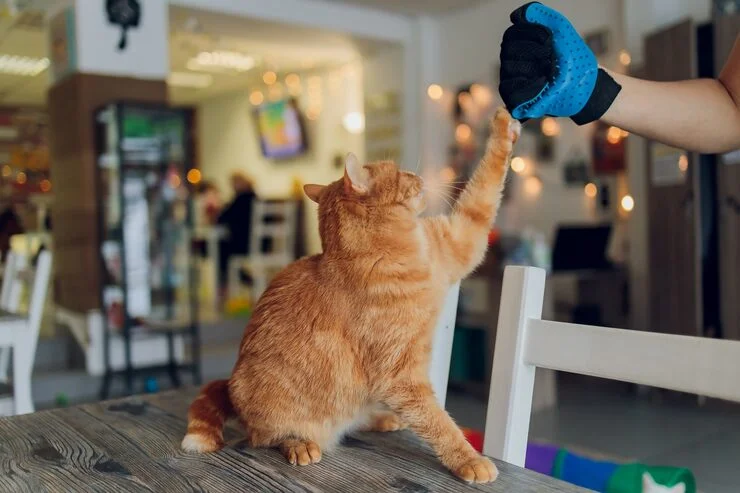
Indoor cats live longer and safer lives, but safety alone does not guarantee happiness. Without enough stimulation, indoor cats can become bored, frustrated, or develop unwanted behaviors. Keeping an indoor cat happy requires creativity, consistency, and an understanding of how cats naturally think and behave.
In this article, you’ll discover ten genius yet simple ways to keep your indoor cat mentally stimulated, emotionally balanced, and genuinely happy.
🎥 Watch: Genius Ways to Keep Your Indoor Cat Happy
1. Schedule Daily Interactive Playtime
Playtime is one of the most powerful tools for keeping indoor cats happy. Interactive play mimics hunting behavior and gives cats a sense of purpose.
Effective play sessions:
- Use wand toys or moving objects
- Last 10–15 minutes
- End calmly, not abruptly
Daily play reduces boredom and improves mood.
2. Use Food Puzzles and Enrichment Feeders
Mealtime is an opportunity for mental stimulation. Food puzzles turn eating into a challenge instead of a passive activity.
Benefits include:
- Slower eating
- Mental engagement
- Reduced boredom
- Healthier eating habits
Even one puzzle-based meal per day can make a difference.
3. Create Vertical Space to Explore
Cats love height. Vertical spaces give them control and confidence.
Ideas for vertical enrichment:
- Cat trees
- Wall-mounted shelves
- Window perches
Climbing and observing satisfy natural instincts.
4. Rotate Toys Instead of Leaving Them Out
Leaving all toys out all the time makes them boring. Rotation keeps toys exciting.
Helpful tips:
- Store some toys away
- Rotate weekly
- Combine toys with play sessions
Novelty stimulates curiosity.
5. Provide Window Views and Visual Stimulation
Windows are like live entertainment for cats. Watching birds, cars, and people provides mental stimulation.
Enhance window views by:
- Adding a perch
- Placing bird feeders outside
- Keeping curtains open during the day
Visual variety reduces boredom.
6. Maintain a Predictable Daily Routine
Cats feel safe when they know what to expect. A consistent routine reduces stress.
A healthy routine includes:
- Regular feeding times
- Scheduled play
- Quiet rest periods
Predictability creates emotional security.
7. Offer Safe Hiding and Resting Spaces
Cats need private spaces where they can retreat and relax.
Good options include:
- Covered beds
- Cardboard boxes
- Quiet corners
Safe spaces help cats self-regulate emotions.
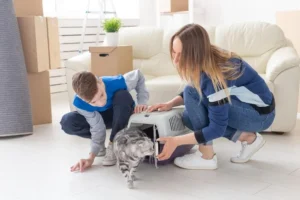
8. Engage Your Cat’s Mind With Training
Cats can be trained using positive reinforcement. Training provides mental stimulation and builds confidence.
Simple training ideas:
- Target training
- Sitting on command
- Entering a carrier calmly
Short sessions work best.
9. Spend Quality Time Without Overstimulation
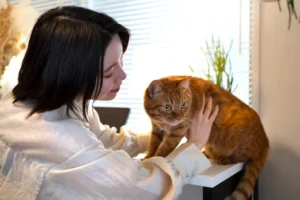
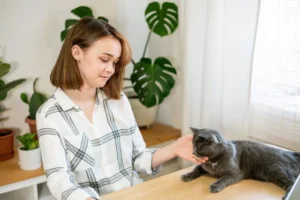
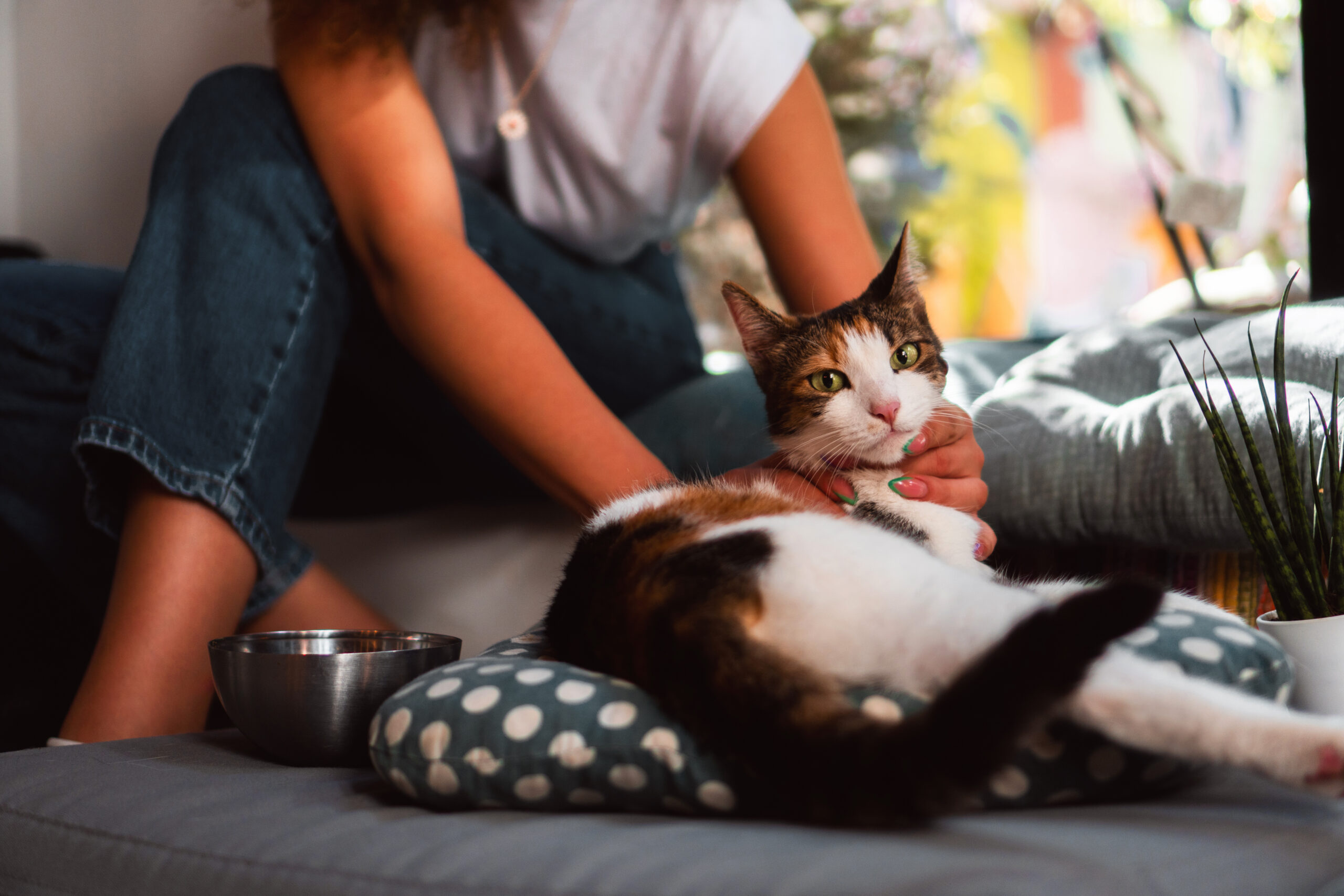
Happiness doesn’t always mean activity. Calm companionship is just as important.
Quality time can include:
- Sitting near your cat
- Gentle petting
- Calm conversation
Respecting boundaries builds trust.
10. Adjust Stimulation Based on Personality and Age
Every cat is unique. What excites one cat may stress another.
Consider:
- Energy level
- Age
- Social preferences
Tailoring stimulation ensures long-term happiness.
Signs Your Indoor Cat Is Happy and Stimulated
Happy indoor cats often show:
- Balanced energy
- Curiosity
- Relaxed body language
- Healthy sleep patterns
These signs mean your efforts are working.
Common Mistakes to Avoid
Avoid these common errors:
- Overstimulating constantly
- Using the same toys daily
- Ignoring your cat’s signals
- Forcing interaction
Balance is key.
Final Thoughts
Keeping an indoor cat happy and stimulated doesn’t require expensive products or constant effort. Simple, thoughtful habits—like playtime, enrichment, and routine—create a fulfilling indoor life.
By using these ten genius strategies, you help your cat stay mentally sharp, emotionally balanced, and genuinely content every day.
A happy indoor cat is not just well-fed and safe—it is engaged, understood, and respected.