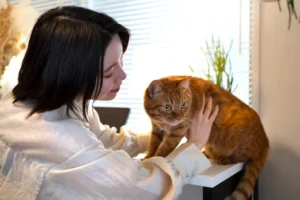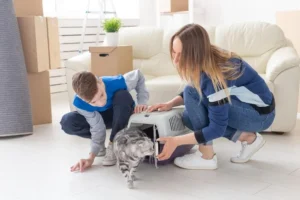

Cats are often seen as distant or selective with affection, but science shows that their behavior follows clear patterns. Cats don’t choose who they like randomly—they respond to body language, consistency, scent, and emotional safety. Understanding how cats think and communicate can significantly improve your relationship with them.
In this article, we explore ten science-backed ways to help a cat feel comfortable around you—and genuinely like you.
🎥 Watch: Science-Based Ways to Make a Cat Like You
1. Let the Cat Make the First Move
Scientific studies show that cats prefer having control over social interactions. When a human allows a cat to approach first, the cat feels safer and more confident.
Why it works:
- Reduces perceived threat
- Respects boundaries
- Builds trust
Patience signals safety to a cat’s brain.
2. Use Slow Blinking to Communicate Trust
Research has shown that slow blinking is a positive social signal among cats. When humans mimic this behavior, cats are more likely to respond positively.
How to do it:
- Look at the cat calmly
- Slowly close your eyes
- Open them gently
This signals relaxation and non-aggression.
3. Avoid Direct Staring
Direct eye contact can feel threatening to cats. In the wild, staring often signals dominance or danger.
Instead:
- Look slightly away
- Blink softly
- Keep your posture relaxed
This reduces stress and increases comfort.
4. Speak Softly and Consistently
Cats respond more to tone than words. A calm, gentle voice helps cats associate you with safety.
Why tone matters:
- Cats have sensitive hearing
- Loud sounds trigger alert responses
- Soft speech signals calm intent
Consistency builds familiarity.
5. Sit at the Cat’s Level
Height matters in animal communication. Standing over a cat can feel intimidating.
Better approaches include:
- Sitting on the floor
- Kneeling calmly
- Avoiding looming movements
Lowering yourself reduces perceived threat.
6. Respect Touch Preferences
Not all cats enjoy the same type of touch. Studies show cats prefer being petted in certain areas.
Generally preferred areas:
- Cheeks
- Chin
- Head
Avoid:
- Belly
- Tail
- Lower back
Respecting preferences strengthens trust.
7. Associate Yourself With Positive Experiences
Cats form associations quickly. If you consistently appear during positive moments, cats begin to associate you with good feelings.
Positive associations include:
- Mealtime presence
- Play sessions
- Calm interactions
Repetition builds emotional memory.
8. Maintain Predictable Behavior
Cats thrive on predictability. Sudden movements or inconsistent behavior cause stress.
Scientific observations show:
- Predictable humans = safer humans
- Routine lowers anxiety
- Calm repetition builds confidence
Stability makes you trustworthy.
9. Use Play to Build Social Bonds
Play triggers hunting instincts and releases positive brain chemicals. Shared play creates social bonds.
Effective play includes:
- Wand toys
- Short, focused sessions
- Ending play calmly
Play builds both trust and enjoyment.
10. Respect Space and Know When to Stop
Cats communicate clearly when they’ve had enough. Ignoring signals damages trust.
Watch for:
- Tail flicking
- Ear flattening
- Turning away
Stopping early reinforces safety.
Why These Methods Work Scientifically
These behaviors align with how cats process:
- Threat vs safety
- Control vs pressure
- Predictability vs chaos
Cats are wired to seek calm, consistent, and respectful interactions.
Common Mistakes That Prevent Cats From Liking You
Avoid:
- Forcing interaction
- Loud voices
- Chasing or grabbing
- Ignoring body language
These behaviors trigger defensive responses.
Signs a Cat Is Starting to Like You
Positive indicators include:
- Slow blinking back
- Sitting near you
- Relaxed posture
- Gentle head bumps
Affection builds gradually.
How Long Does It Take for a Cat to Like You?
There is no fixed timeline. Some cats warm up in days, others take weeks.
Factors include:
- Past experiences
- Personality
- Environment
Patience is essential.
Final Thoughts
Cats don’t show affection the same way dogs do—but their trust is deeply meaningful. By using science-backed approaches that respect feline instincts and communication, you can significantly improve how a cat feels about you.
Getting a cat to like you isn’t about control—it’s about understanding, consistency, and respect.
When a cat chooses to trust you, it’s one of the most rewarding bonds you can experience.