Most cat owners love their cats deeply and would never intentionally hurt them. However, many common habits—often done out of convenience or misunderstanding—can negatively affect a cat’s physical or emotional well-being. Cats experience the world very differently from humans, and what seems harmless to us may be stressful or even painful for them.
In this article, we uncover fourteen everyday actions that may be hurting your cat and explain why stopping them can dramatically improve your cat’s quality of life.
🎥 Watch: Common Mistakes That Hurt Your Cat
1. Ignoring Changes in Behavior
Cats rarely act “different” without reason. Ignoring behavioral changes can delay help and increase discomfort.
Examples include:
- Sudden hiding
- Reduced play
- Increased aggression
Behavior is communication.
2. Overfeeding or Giving Too Many Treats
Excess food may feel like love, but it can cause long-term harm.
Overfeeding can lead to:
- Obesity
- Joint stress
- Reduced mobility
Moderation protects your cat’s health.
3. Skipping Daily Playtime
Lack of play causes frustration and stress.
Without play, cats may:
- Become destructive
- Develop anxiety
- Lose physical fitness
Play is a basic need, not a luxury.
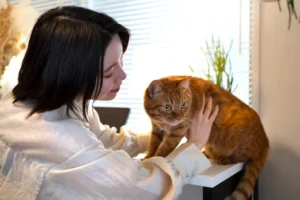
4. Forcing Physical Affection
Cats value choice and control. Forced cuddling can feel threatening.
Signs your cat needs space:
- Tail flicking
- Ears flattening
- Tensing body
Respect builds trust.
5. Punishing Your Cat
Punishment does not teach cats—it creates fear.
Negative effects include:
- Broken trust
- Increased stress
- Confusion
Cats learn through positive reinforcement.
6. Keeping a Dirty Litter Box
An unclean litter box causes stress and discomfort.
Poor litter hygiene can lead to:
- Avoidance
- Accidents
- Anxiety
Cleanliness equals comfort.
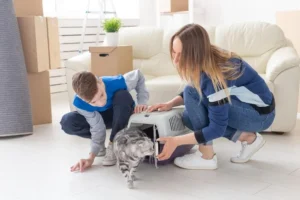
7. Making Sudden Environmental Changes
Cats depend on familiarity. Sudden changes feel unsafe.
Examples:
- Moving furniture
- Changing routines abruptly
- Loud disruptions
Gradual changes reduce stress.
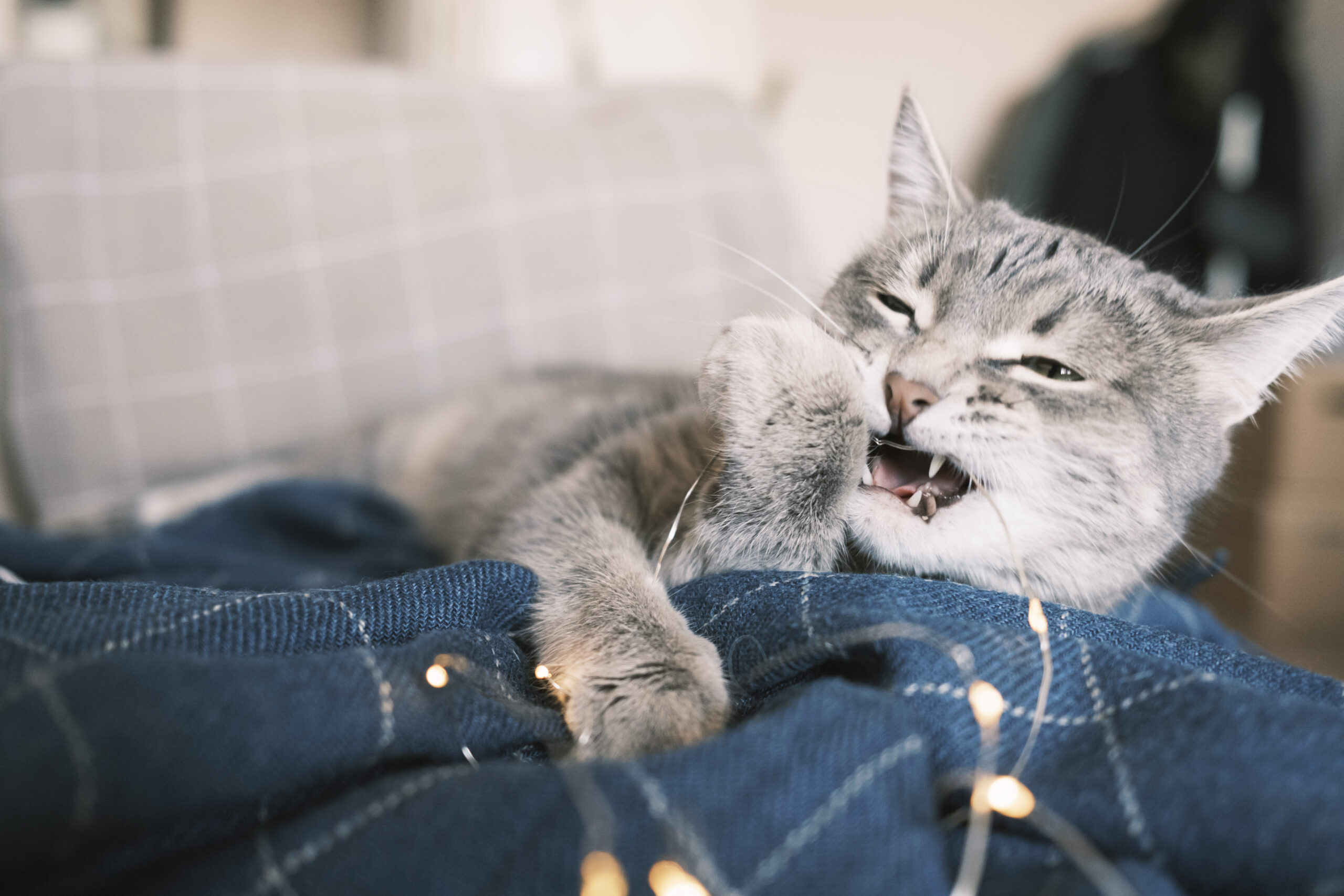
8. Ignoring Body Language
Cats warn before reacting.
Ignoring signals like:
- Tail whipping
- Growling
- Avoidance
Can lead to fear-based reactions.
9. Leaving Your Cat Bored for Long Periods
Boredom hurts mental health.
Bored cats may show:
- Excessive sleeping
- Destructive habits
- Attention-seeking
Mental stimulation matters.
10. Not Providing Safe Hiding Spaces
Cats need places to retreat.
Without safe spaces:
- Stress increases
- Confidence drops
Hiding is healthy, not avoidance.
11. Using Strong Scents Around Your Cat
Cats have sensitive noses.
Strong smells from:
- Cleaners
- Perfumes
- Air fresheners
Can cause discomfort and stress.
12. Ignoring Dental and Grooming Needs
Neglecting basic care can cause pain.
Warning signs include:
- Bad breath
- Matted fur
- Avoidance of grooming
Regular care prevents discomfort.
13. Expecting Cats to Behave Like Humans
Cats aren’t small people.
Unrealistic expectations lead to:
- Frustration
- Misunderstanding
- Emotional stress
Cats have their own nature.
14. Assuming Silence Means Everything Is Fine
Cats hide pain extremely well.
Silence can mean:
- Discomfort
- Fear
- Emotional withdrawal
Observation is essential.
How These Habits Affect Your Cat Long-Term
Repeated stress can result in:
- Anxiety
- Behavioral issues
- Reduced quality of life
Small habits add up over time.
How to Start Treating Your Cat Better Today
Simple changes include:
- Maintaining routine
- Observing behavior
- Offering enrichment
- Respecting boundaries
Awareness is the first step.
Final Thoughts
Hurting a cat rarely comes from cruelty—it usually comes from misunderstanding. By recognizing and correcting these fourteen common behaviors, you can greatly improve your cat’s emotional comfort, physical health, and trust in you.
Cats don’t need perfection. They need understanding, consistency, and respect.
When you stop these harmful habits, your cat doesn’t just feel safer—it feels truly cared for.