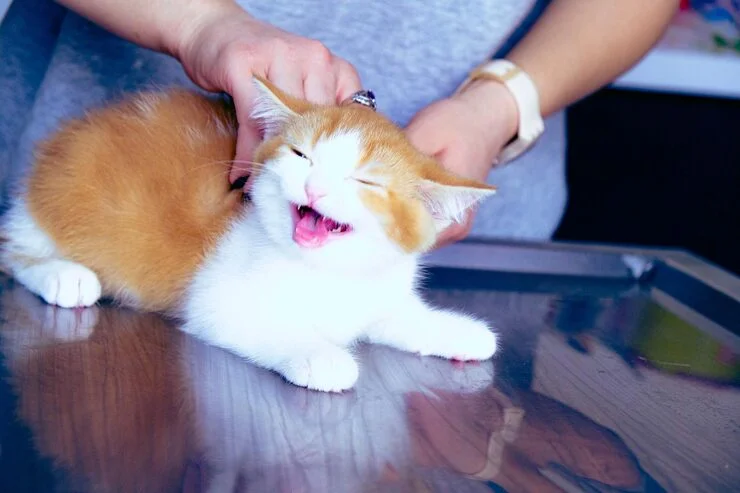
Cats may not speak our language, but they communicate constantly through body language—and the tail is one of their most expressive tools. Understanding what your cat’s tail is saying can help you recognize emotions, avoid misunderstandings, and build a stronger bond with your cat.
In this article, we decode common cat tail movements and explain what they really mean in everyday situations.
🎥 Watch: What Your Cat’s Tail Is Telling You
Why a Cat’s Tail Is So Important
A cat’s tail is an extension of its emotional state. Cats use their tails to communicate feelings to humans and other animals, often more clearly than through sound.
The tail helps cats:
- Express mood
- Maintain balance
- Communicate boundaries
- Signal comfort or discomfort
Learning tail language makes daily interactions smoother and safer.
Tail Held High and Straight
When a cat walks toward you with its tail held high, it’s a sign of confidence and friendliness.
What it usually means:
- Your cat feels safe
- It is happy to see you
- It is comfortable in its environment
This is one of the most positive tail signals.
Tail Curved Like a Question Mark
A tail that curves slightly at the tip, resembling a question mark, often indicates a relaxed and playful mood.
This tail position suggests:
- Curiosity
- Friendly interest
- Openness to interaction
It’s a great time for gentle play or affection.
Slow, Gentle Tail Swishing
A slow tail movement from side to side usually means your cat is focused or mildly interested in something.
Common situations:
- Watching birds
- Observing movement
- Listening carefully
This behavior is normal and does not signal aggression.
Fast or Aggressive Tail Swishing
When a cat’s tail moves quickly or forcefully, it often signals irritation or overstimulation.
Possible meanings:
- Your cat has had enough petting
- It feels annoyed
- It needs space
Ignoring this signal may lead to a warning bite or scratch.
Tail Puffing Up (Bottle Brush Tail)
A puffed-up tail is a clear sign of fear or surprise. This reaction makes the cat appear larger to potential threats.
Common triggers include:
- Sudden loud noises
- Unexpected movements
- Encounters with unfamiliar animals
In this state, your cat needs calm and space.
Tail Wrapped Around the Body
When a cat sits with its tail wrapped around its body, it often indicates caution or uncertainty.
This posture may suggest:
- Mild discomfort
- Observation mode
- Emotional restraint
It’s best not to force interaction during this time.
Tail Tucked Between the Legs
This tail position usually indicates fear, anxiety, or submission.
Common causes include:
- Stressful environments
- Loud noises
- Unfamiliar situations
Your cat may need reassurance and a quiet place to retreat.
Tail Quivering or Vibrating
A quivering tail can mean excitement, happiness, or anticipation—especially when greeting a familiar person.
It may indicate:
- Strong affection
- Positive excitement
- Anticipation of food or play
This is usually a positive signal.
Tail Flicking Only at the Tip
A flicking tail tip often signals growing irritation or impatience.
This behavior means:
- Your cat is losing patience
- Overstimulation may be near
- Interaction should slow down
It’s a subtle warning sign worth noticing.
Tail Movement During Play
During play, tail movements can change rapidly. A playful tail often moves energetically but without stiffness.
Healthy play tail signs:
- Loose movements
- Relaxed body posture
- Paired with playful behavior
Stiff or violent movements suggest playtime should pause.
How Tail Language Works With Other Signals
Tail movements should always be read alongside other body signals.
Pay attention to:
- Ear position
- Eye shape
- Body posture
A tail alone doesn’t tell the whole story—but it’s a powerful clue.
Common Mistakes Owners Make When Reading Tail Signals
Many owners misinterpret tail movements.
Common mistakes include:
- Assuming all tail movement means happiness
- Ignoring fast swishing
- Forcing interaction during warning signals
Understanding these signals prevents stress and conflict.
How to Respond to Your Cat’s Tail Language
The best response is awareness and respect.
Helpful responses:
- Pause petting when the tail flicks
- Give space when the tail puffs
- Engage gently when the tail is upright
Responding correctly builds trust.
Why Understanding Tail Language Matters
Cats communicate constantly, even when silent. Understanding tail language helps you:
- Avoid bites or scratches
- Improve bonding
- Respect boundaries
- Create a calmer environment
Communication strengthens relationships.
Final Thoughts
Your cat’s tail is one of the clearest windows into its emotional world. By learning what different tail positions and movements mean, you can better understand how your cat feels in any moment.
Decoding tail language turns confusion into clarity—and helps you build a more respectful, loving relationship with your feline companion.
A cat that feels understood is a cat that feels safe, confident, and happy.