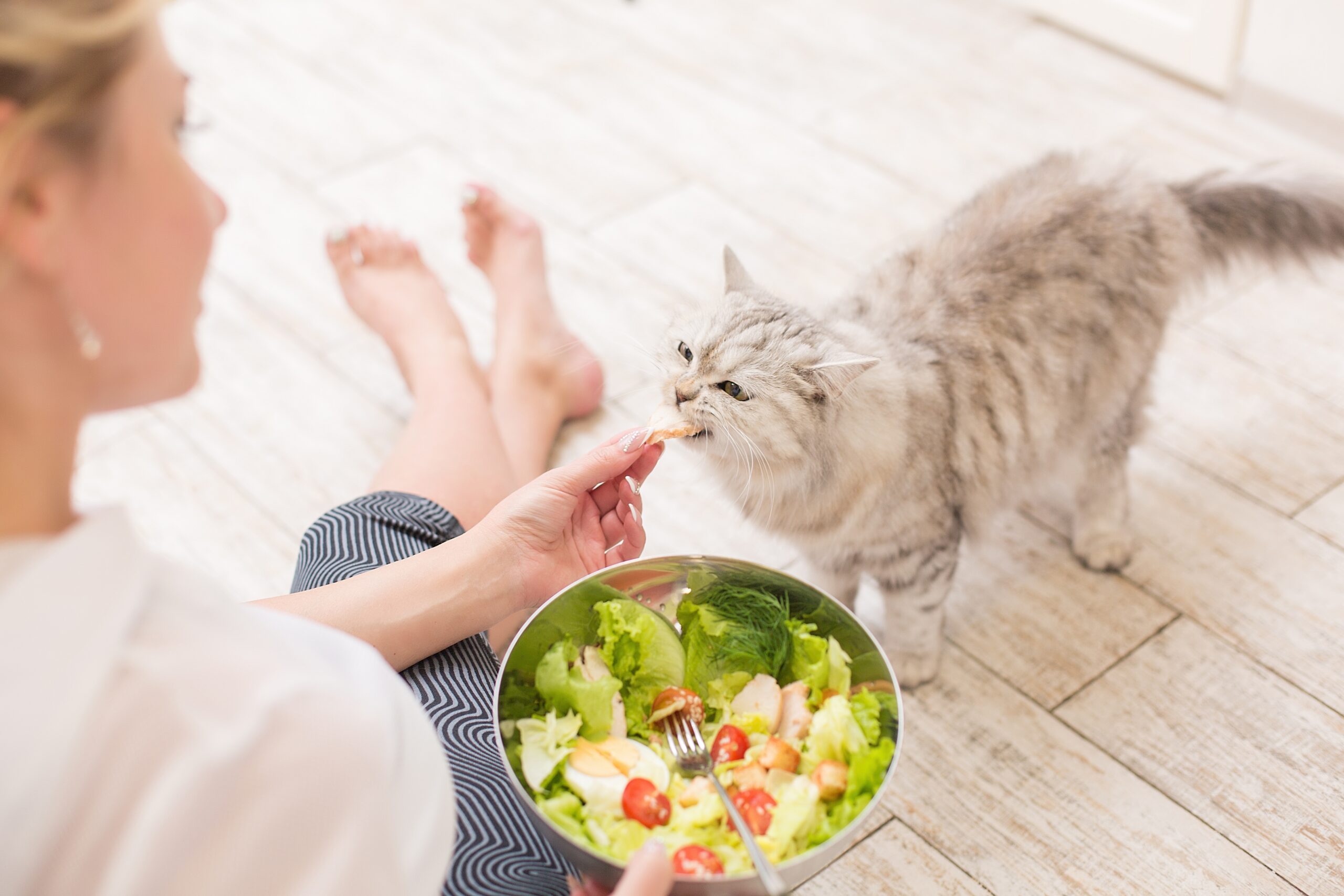
Cats are curious animals, and many of them show strong interest in human food. While sharing food may feel like an act of love, some foods that are safe for humans can be extremely dangerous—or even life-threatening—for cats.
Understanding which foods should never be given to cats is essential for protecting their health and well-being. In this article, we’ll highlight common foods that are dangerous for cats and explain why they should always be avoided.
🎥 Watch: Foods That Are Dangerous for Cats
Why Some Human Foods Are Dangerous for Cats
Cats have very different digestive systems from humans. As obligate carnivores, their bodies are designed to process animal-based proteins, not complex human foods.
Many foods can cause:
- Digestive upset
- Toxic reactions
- Long-term health problems
Even small amounts can be harmful.
1. Chocolate and Cocoa Products
Chocolate contains compounds that cats cannot safely process. Even though cats are less likely to eat chocolate than dogs, it should never be accessible.
Why it’s dangerous:
- Contains toxic compounds
- Can affect the nervous system
- May cause serious reactions
Chocolate should always be kept out of reach.
2. Onions, Garlic, and Chives
These ingredients are common in human cooking but are extremely harmful to cats.
They can:
- Damage red blood cells
- Lead to weakness and lethargy
- Cause serious health complications
This applies to raw, cooked, and powdered forms.
3. Grapes and Raisins
Grapes and raisins are dangerous even in small amounts.
Potential risks include:
- Sudden illness
- Digestive distress
- Severe internal reactions
Their exact toxic mechanism is unclear, which makes avoidance critical.
4. Alcohol and Fermented Foods
Alcohol is extremely dangerous for cats.
Even small amounts can:
- Affect coordination
- Cause breathing issues
- Lead to severe poisoning
Cats should never have access to alcohol or fermented foods.
5. Caffeinated Drinks and Products
Caffeine stimulates the nervous system and can be harmful to cats.
Sources include:
- Coffee
- Tea
- Energy drinks
Caffeine exposure can cause agitation and other serious reactions.
6. Dairy Products
Many people believe cats love milk, but most adult cats are lactose intolerant.
Dairy can cause:
- Digestive upset
- Diarrhea
- Stomach discomfort
Milk and cheese are not suitable for cats.
7. Raw Dough and Yeast
Raw dough can expand inside a cat’s stomach.
Risks include:
- Severe bloating
- Internal pressure
- Alcohol production during fermentation
Raw dough is extremely dangerous.
8. Cooked Bones
Cooked bones may splinter easily.
This can lead to:
- Choking
- Mouth injuries
- Internal damage
Bones should never be given to cats.
9. Fatty or Fried Foods
High-fat foods can overwhelm a cat’s digestive system.
Possible effects:
- Digestive distress
- Weight gain
- Reduced energy
Cats need balanced, species-appropriate nutrition.
10. Salty Snacks
Excess salt can be harmful to cats.
Salty foods may cause:
- Increased thirst
- Imbalance in fluids
- General discomfort
Human snacks are not cat-safe.
11. Artificial Sweeteners
Some artificial sweeteners are dangerous for pets.
They can:
- Disrupt digestion
- Cause severe reactions
- Lead to serious health issues
Avoid all sweetened products.
12. Raw Fish or Raw Eggs
While cats enjoy fish flavors, raw fish or eggs are unsafe.
Risks include:
- Nutrient imbalance
- Digestive problems
- Long-term health concerns
Foods should always be properly prepared for cats.
Why Cats Should Stick to Cat-Specific Food
Commercial cat food is designed to meet a cat’s nutritional needs safely.
Benefits include:
- Balanced nutrients
- Safe ingredients
- Consistent energy levels
Human food introduces unnecessary risks.
What to Do If Your Cat Eats Something Dangerous
If you suspect your cat has eaten something unsafe:
- Stay calm
- Remove access to the food
- Observe your cat’s behavior
Early awareness is important.
Preventing Food-Related Accidents
Simple prevention steps include:
- Keeping food sealed
- Not feeding table scraps
- Educating family members
Prevention is always better than reaction.
Final Thoughts
Many foods that are harmless to humans can be extremely dangerous for cats. Avoiding these foods is one of the simplest and most important ways to protect your cat’s health.
A cat doesn’t need human food to be happy. Providing a balanced diet, safe treats, and proper enrichment is more than enough to support a healthy and joyful life.
When in doubt, it’s always safer to choose foods made specifically for cats.