
Indoor cats enjoy safety and comfort, but happiness doesn’t come automatically. Without the right environment, routine, and stimulation, indoor cats can become bored, stressed, or inactive. Keeping an indoor cat happy requires understanding its physical, mental, and emotional needs.
In this article, we’ll explore eleven essential elements that help indoor cats live a balanced, healthy, and happy life.
1. A Consistent Daily Routine
Cats thrive on predictability. A consistent routine helps indoor cats feel safe and secure in their environment.
A healthy routine includes:
- Regular feeding times
- Scheduled play sessions
- Quiet rest periods
Consistency reduces anxiety and improves behavior.
2. Daily Interactive Playtime
Playtime is essential for releasing energy and preventing boredom. Interactive play mimics natural hunting behavior and keeps cats mentally engaged.
Effective play includes:
- Wand toys
- Chase-based games
- Short, focused sessions
Daily play supports both physical and emotional health.
🎥 Watch: Simple Tips to Keep Indoor Cats Happy
3. Mental Stimulation and Enrichment
Mental enrichment keeps cats curious and engaged. Without it, indoor cats may become restless or withdrawn.
Ways to stimulate the mind:
- Puzzle feeders
- Rotating toys
- New exploration areas
Mental challenges are just as important as physical exercise.
4. Comfortable Resting and Sleeping Areas
Cats spend many hours sleeping. Comfortable, quiet resting areas help them relax and recharge.
Good resting spaces include:
- Soft beds
- Elevated sleeping spots
- Quiet corners
A relaxed cat is a happier cat.
5. Clean and Accessible Litter Boxes
Litter box comfort plays a major role in a cat’s happiness. Poor litter box conditions can cause stress and behavioral issues.
Best practices:
- Scoop daily
- Keep boxes in quiet locations
- Avoid frequent changes
Cleanliness builds confidence and comfort.
6. Vertical Space and Climbing Options
Cats love height. Vertical spaces allow them to observe their surroundings and feel in control.
Helpful options:
- Cat trees
- Wall shelves
- Window perches
Vertical access adds excitement and security.
7. A Calm and Safe Environment
Indoor cats are sensitive to noise and chaos. A calm home environment supports emotional balance.
Tips:
- Reduce loud sounds
- Avoid sudden disruptions
- Provide hiding spots
Safety leads to confidence.
8. Quality Nutrition and Fresh Water
A balanced diet supports energy levels and overall health. Fresh water should always be available.
Helpful habits:
- Serve food at consistent times
- Keep bowls clean
- Place water away from litter boxes
Proper nutrition supports happiness from the inside out.
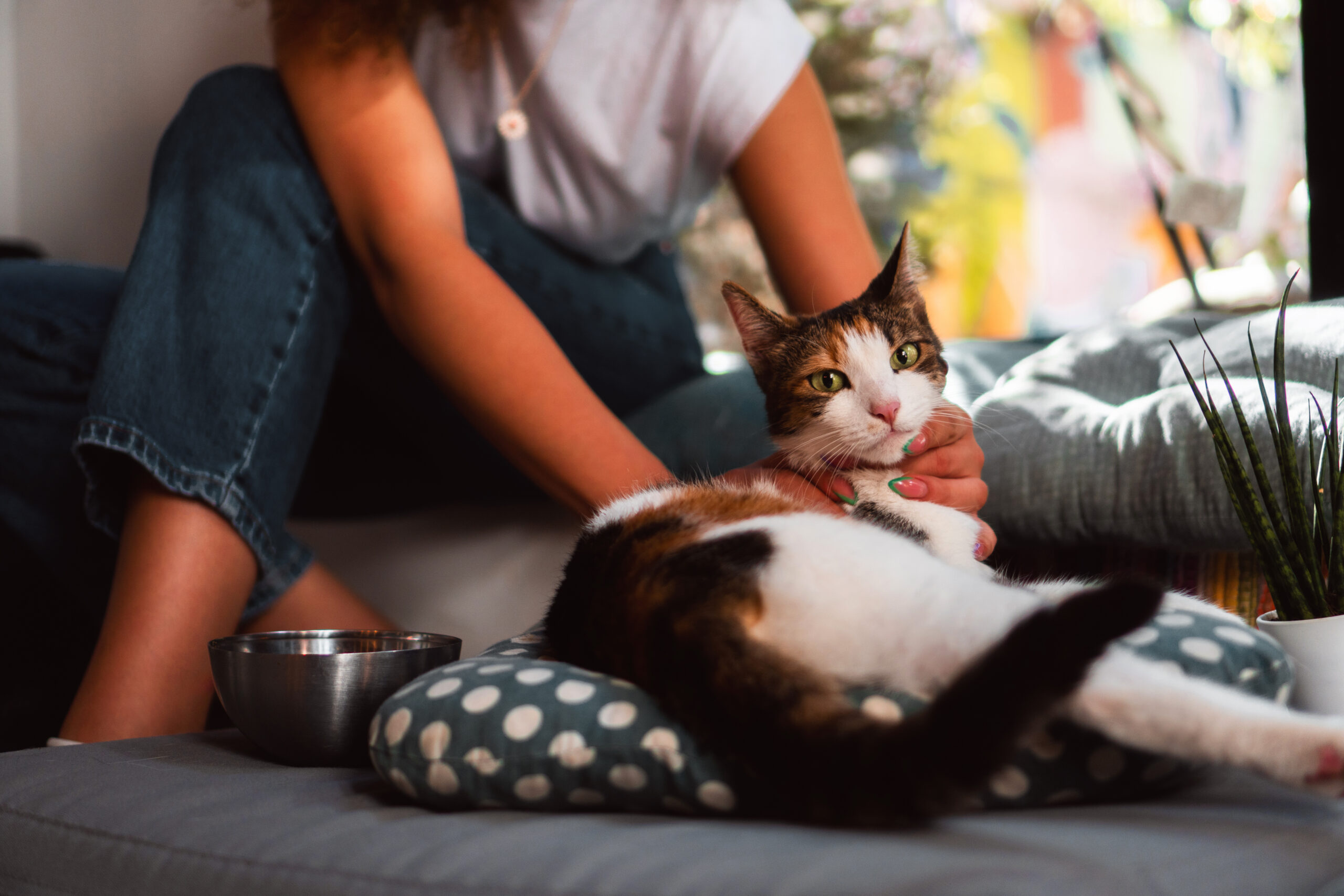
9. Positive Social Interaction
Cats may be independent, but they still need social engagement.
Positive interaction includes:
- Gentle petting
- Calm conversation
- Sitting nearby
Respecting boundaries strengthens trust.
10. Variety Without Overstimulation
Variety keeps life interesting, but too much change can cause stress.
Balance variety by:
- Rotating toys gradually
- Introducing changes slowly
- Keeping core routines stable
Balanced variety prevents boredom without anxiety.
11. Understanding Your Cat’s Individual Personality
Every cat is unique. Personality, age, and energy level affect what makes a cat happy.
Pay attention to:
- Activity preferences
- Comfort zones
- Social needs
Tailoring care to your cat’s personality creates long-term happiness.
Signs Your Indoor Cat Is Happy
Happy indoor cats often show:
- Relaxed body language
- Healthy appetite
- Balanced energy levels
- Affectionate behavior
These signs indicate emotional and physical well-being.
Final Thoughts
Keeping indoor cats happy doesn’t require expensive products or complicated routines. Consistency, enrichment, comfort, and understanding are the foundation of a fulfilling indoor life.
By focusing on these eleven essentials, you can create an environment where your indoor cat feels safe, stimulated, and content every day.