Food is more than just nutrition for cats—it can also be a powerful source of mental stimulation. Food puzzles and food enrichment activities help satisfy a cat’s natural hunting instincts while improving physical health, reducing boredom, and encouraging healthier eating habits.
In this article, we’ll explore what food enrichment is, why it’s important, and how food puzzles can improve your cat’s daily life.
What Is Food Enrichment for Cats?
Food enrichment refers to methods that make cats work for their food instead of simply eating from a bowl. In the wild, cats spend a significant amount of time hunting and problem-solving to find food. Traditional feeding methods remove this challenge entirely.
Food enrichment recreates this natural behavior by:
- Encouraging exploration and problem-solving
- Slowing down eating
- Providing mental stimulation
- Reducing stress and boredom
Food puzzles are one of the most effective and accessible enrichment tools for cats.
Why Food Puzzles Are Important for Cats
Many indoor cats lack opportunities to express natural hunting behaviors. Without stimulation, cats may become bored, anxious, or inactive.
Food puzzles help by:
- Engaging a cat’s mind
- Preventing overeating
- Reducing destructive behaviors
- Encouraging physical movement
As a result, cats that use food puzzles regularly tend to be calmer, healthier, and more satisfied.
Mental Stimulation and Cognitive Health
Mental stimulation is just as important as physical exercise. Cats that are mentally engaged are less likely to develop stress-related behaviors.
Benefits of mental stimulation through food puzzles include:
- Improved focus
- Reduced boredom
- Increased curiosity
- Better emotional balance
Problem-solving activities keep your cat mentally sharp and confident.
Physical Benefits of Food Enrichment
Food puzzles also promote physical activity, especially for indoor cats that may not get enough exercise.
Physical benefits include:
- Increased movement
- Improved coordination
- Weight management
- Healthier digestion
Slow feeding encourages better portion control and reduces the risk of overeating.
Common Types of Food Puzzles for Cats
There are many types of food puzzles available, each offering different levels of challenge.
Popular options include:
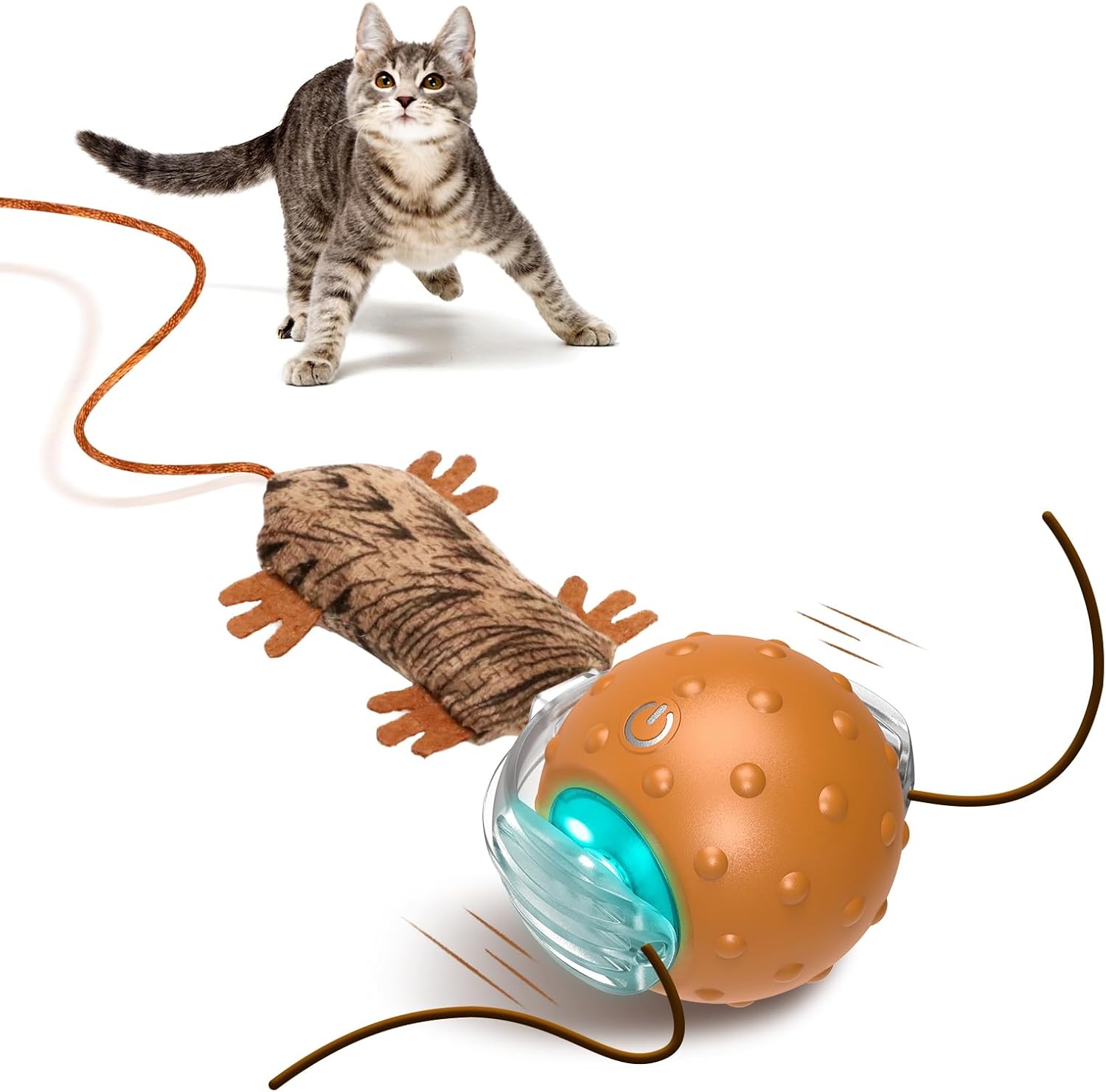
- Rolling treat balls
- Puzzle feeders with compartments
- Interactive feeding boards
- Adjustable difficulty feeders
Choosing a puzzle that matches your cat’s skill level ensures a positive experience.
How to Introduce Food Puzzles to Your Cat
Some cats may be hesitant at first, especially if they are used to traditional bowls. Introducing food puzzles gradually is key.
Helpful steps:
- Start with easy puzzles
- Use familiar food or treats
- Demonstrate movement if needed
- Allow exploration without pressure
Patience helps your cat build confidence and curiosity.
Creating DIY Food Enrichment at Home
Food enrichment doesn’t have to be expensive. Simple household items can be used safely for enrichment activities.
Examples include:
- Cardboard boxes with holes
- Empty paper towel rolls
- Muffin trays with food hidden under balls
DIY enrichment adds variety and keeps your cat engaged without extra cost.
Using Food Enrichment as Part of a Daily Routine
Food puzzles work best when incorporated into a routine rather than used occasionally.
Ways to include enrichment daily:
- One meal per day using a puzzle feeder
- Treat-based puzzles during playtime
- Rotating puzzle types throughout the week
Consistency helps cats adapt and benefit long-term.
Preventing Frustration and Stress
While food puzzles are beneficial, using puzzles that are too difficult can frustrate cats.
To avoid this:
- Adjust difficulty gradually
- Observe your cat’s behavior
- Ensure success early on
- Provide encouragement through play
The goal is engagement—not frustration.
Food Enrichment for Different Life Stages
A cat’s age and ability should guide puzzle selection.
Considerations:
- Kittens need simple puzzles
- Adult cats benefit from varied challenges
- Senior cats prefer low-effort puzzles
Adapting enrichment ensures safety and enjoyment at every stage.
Signs Food Enrichment Is Working
Positive signs include:
- Increased curiosity
- Slower, calmer eating
- Reduced begging
- Improved mood and behavior
These signs indicate your cat is benefiting mentally and physically.
Common Mistakes to Avoid
Some owners unintentionally reduce the benefits of food enrichment.
Avoid:
- Using puzzles only occasionally
- Making puzzles too difficult
- Using enrichment as punishment
- Removing regular meals entirely
Balance and moderation are essential.
Final Thoughts
Food puzzles and food enrichment are powerful tools for improving your cat’s quality of life. By encouraging natural behaviors, stimulating the mind, and promoting healthy eating habits, enrichment supports both physical and emotional well-being.
With patience, consistency, and the right tools, food enrichment can transform mealtime into a rewarding and engaging experience for your cat—one that supports long-term happiness and health.