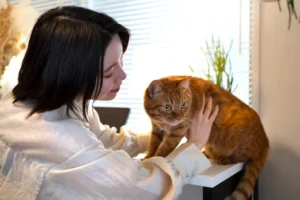

Cat treats are more than just tasty snacks. When used correctly, treats can play an important role in training, strengthening the bond between you and your cat, and encouraging positive behavior. However, understanding how and when to give treats is essential to avoid health or behavioral issues.
In this article, we’ll explore the benefits of cat treats, how to use them responsibly, and what to look for when choosing the right treats for your cat.
Why Cat Treats Are Important
Cats respond well to positive reinforcement. Treats provide an immediate reward that helps cats associate good behavior with positive outcomes.
Treats can help:
- Reinforce desired behaviors
- Support basic training routines
- Build trust and confidence
- Strengthen the bond between cat and owner
When given in moderation, treats can enhance your cat’s daily routine without replacing proper nutrition.

Using Treats for Training and Positive Reinforcement
Training cats may seem challenging, but treats make the process much easier. Simple actions such as coming when called, using a scratching post, or calmly entering a carrier can be encouraged with small rewards.
Effective tips for training with treats:
- Use treats immediately after the desired behavior
- Keep treat portions small
- Be consistent with rewards
- Pair treats with verbal praise
As a result, your cat learns faster and remains motivated.
Strengthening the Bond With Your Cat
Giving treats by hand can help build trust, especially with shy or newly adopted cats. Treat time becomes a positive interaction that your cat looks forward to.
Regular treat-based interactions can:
- Increase comfort around humans
- Reduce fear or anxiety
- Encourage gentle social behavior
- Improve overall confidence
Additionally, treats can help create calm and positive daily moments between you and your cat.
Choosing the Right Treats for Your Cat
Not all treats are created equal. Choosing high-quality treats supports your cat’s health and well-being.
When selecting treats, look for:
- Clear ingredient lists
- High-quality protein sources
- Treats made specifically for cats
- Minimal artificial additives
Avoid giving human food as treats, as many common foods are not suitable for cats.
How Often Should You Give Cat Treats?
Moderation is key. Treats should never replace a balanced diet.
General guidelines:
- Treats should make up no more than 10% of daily food intake
- Offer treats occasionally, not constantly
- Adjust regular meals if treats are given frequently
Maintaining balance helps prevent weight gain and unhealthy habits.
Using Treats for Mental Stimulation
Treats can also be used to challenge your cat mentally. Puzzle toys and treat-dispensing toys encourage problem-solving and curiosity.
Benefits include:
- Reduced boredom
- Improved focus
- Healthier eating habits
- Increased confidence
Mentally stimulated cats are generally calmer and more satisfied.
Signs You May Be Overusing Treats
Too many treats can lead to unwanted behaviors or health concerns.
Warning signs include:
- Weight gain
- Constant begging
- Loss of interest in regular food
- Dependency on treats for attention
If you notice these signs, reducing treat frequency and focusing on play and affection can help restore balance.
Creating Healthy Treat Habits
Healthy treat habits are built through consistency and awareness.
Helpful practices:
- Use treats as rewards, not bribes
- Combine treats with playtime or training
- Store treats out of reach
- Follow recommended portion sizes
Over time, your cat learns to enjoy treats without becoming dependent on them.
Final Thoughts
Cat treats can be a valuable tool for training, bonding, and encouraging good behavior when used responsibly. By choosing high-quality treats and offering them in moderation, you can enhance your cat’s happiness without compromising its health.
A thoughtful approach to treats supports a balanced lifestyle and strengthens the connection between you and your cat.