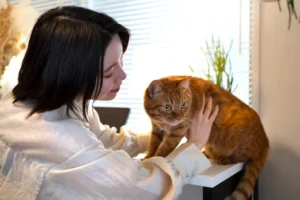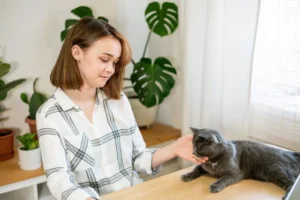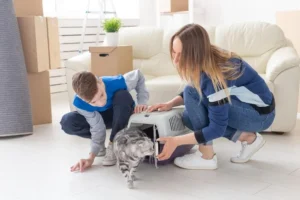
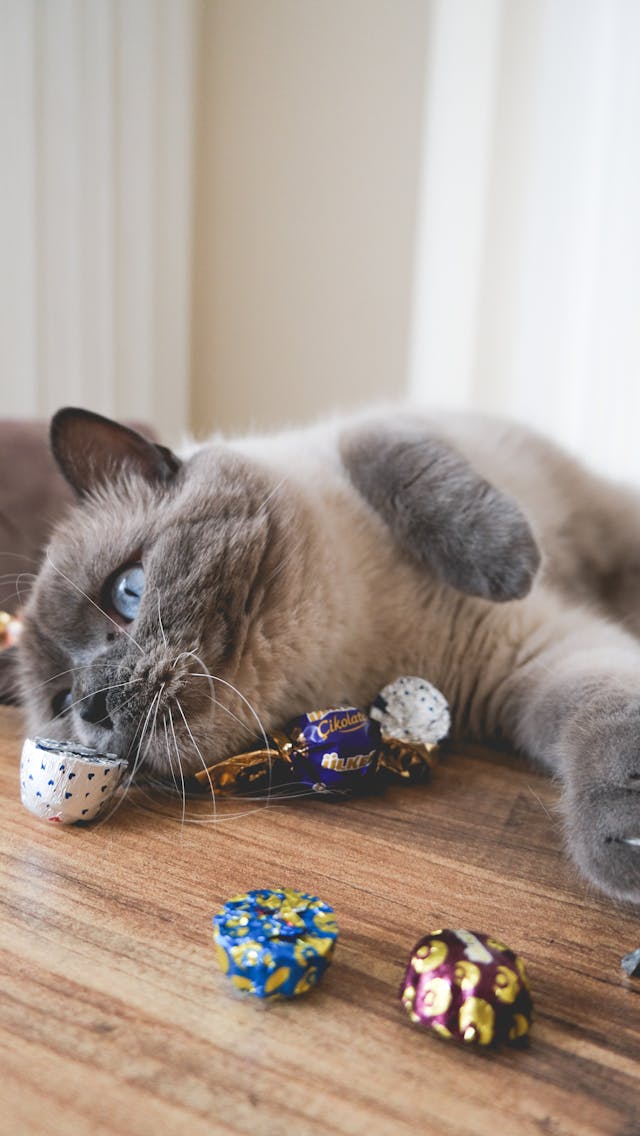
Cat treats are a popular way to reward cats, strengthen bonds, and encourage positive behavior. However, not all treats are suitable for every cat, and choosing the wrong type or offering them too often can negatively affect your cat’s health and behavior. Understanding how to select the right treats helps ensure your cat enjoys rewards safely and responsibly.
This article explains how to choose appropriate treats, what ingredients to look for, and how to use treats without disrupting your cat’s balanced lifestyle.

Why Treat Quality Matters for Cats
Treats may seem like small additions to your cat’s diet, but their impact can be significant over time. Low-quality treats often contain unnecessary fillers, artificial flavors, or excess calories that offer little nutritional value.
High-quality treats, on the other hand:
- Support healthy eating habits
- Reduce the risk of weight gain
- Provide better digestion
- Encourage balanced behavior
Choosing quality over quantity is one of the most important steps in responsible treat use.
Understanding Your Cat’s Nutritional Needs
Cats are obligate carnivores, meaning they rely primarily on animal-based protein. Treats should respect this natural dietary requirement.
When selecting treats, consider:
- Protein as the main ingredient
- Limited carbohydrates
- Simple, easy-to-understand ingredient lists
- Treats made specifically for cats
Avoid treats designed for other animals, as their nutritional needs differ significantly.
Reading Treat Labels the Right Way
Many cat owners overlook ingredient labels, but they provide essential information about what your cat is consuming.
Key things to check:
- The first ingredient should be a protein source
- Avoid excessive artificial colors or flavors
- Look for clear ingredient names instead of vague terms
- Avoid treats with excessive sugar or fillers
Understanding labels helps you make informed decisions that support your cat’s long-term health.
Portion Control and Moderation
Even healthy treats can cause problems if given in excess. Treats should never replace a balanced diet or become the main source of calories.
General guidelines include:
- Treats should make up no more than 10% of daily intake
- Use small portions whenever possible
- Reduce treat frequency if weight gain occurs
- Balance treat days with lighter meals
Moderation ensures treats remain special rather than expected.
Using Treats to Support Positive Behavior
Treats are most effective when used as part of positive reinforcement. They help cats associate good behavior with positive outcomes.
Treats work well for:
- Rewarding calm behavior
- Encouraging the use of scratching posts
- Supporting carrier training
- Reinforcing gentle interactions
Timing is critical—rewards should follow behavior immediately to strengthen learning.
Avoiding Treat Dependency
One common issue is treat dependency, where cats begin to demand treats constantly or ignore regular meals.
Signs of dependency include:
- Constant begging
- Loss of interest in regular food
- Vocalizing for treats
- Reduced motivation without rewards
To avoid this, combine treats with other rewards such as play, praise, or affection.
Treats as Mental Enrichment Tools
Treats can also be used to stimulate your cat mentally. Puzzle feeders and treat-dispensing toys encourage problem-solving and patience.
Benefits of treat-based enrichment:
- Reduced boredom
- Improved focus
- Slower eating habits
- Increased confidence
Mental stimulation is especially valuable for indoor cats with limited space.
Treats for Different Life Stages
A cat’s age and activity level should influence treat selection.
Considerations include:
- Kittens may need smaller, softer treats
- Adult cats benefit from controlled portions
- Senior cats may prefer softer textures
- Less active cats need fewer treats overall
Adjusting treats to life stage helps maintain balance.
Creating a Long-Term Treat Strategy
Rather than giving treats randomly, create a clear strategy.
A healthy approach includes:
- Scheduled treat times
- Defined portion limits
- Combining treats with positive activities
- Monitoring your cat’s response
Consistency helps your cat feel secure and reduces confusion.
Final Thoughts
Cat treats can be a valuable part of your cat’s routine when chosen carefully and used responsibly. By focusing on quality ingredients, proper portions, and structured use, you can reward your cat without compromising its health.
A thoughtful approach to treats supports better behavior, stronger bonding, and a healthier lifestyle—ensuring treats remain a positive experience rather than a problem.