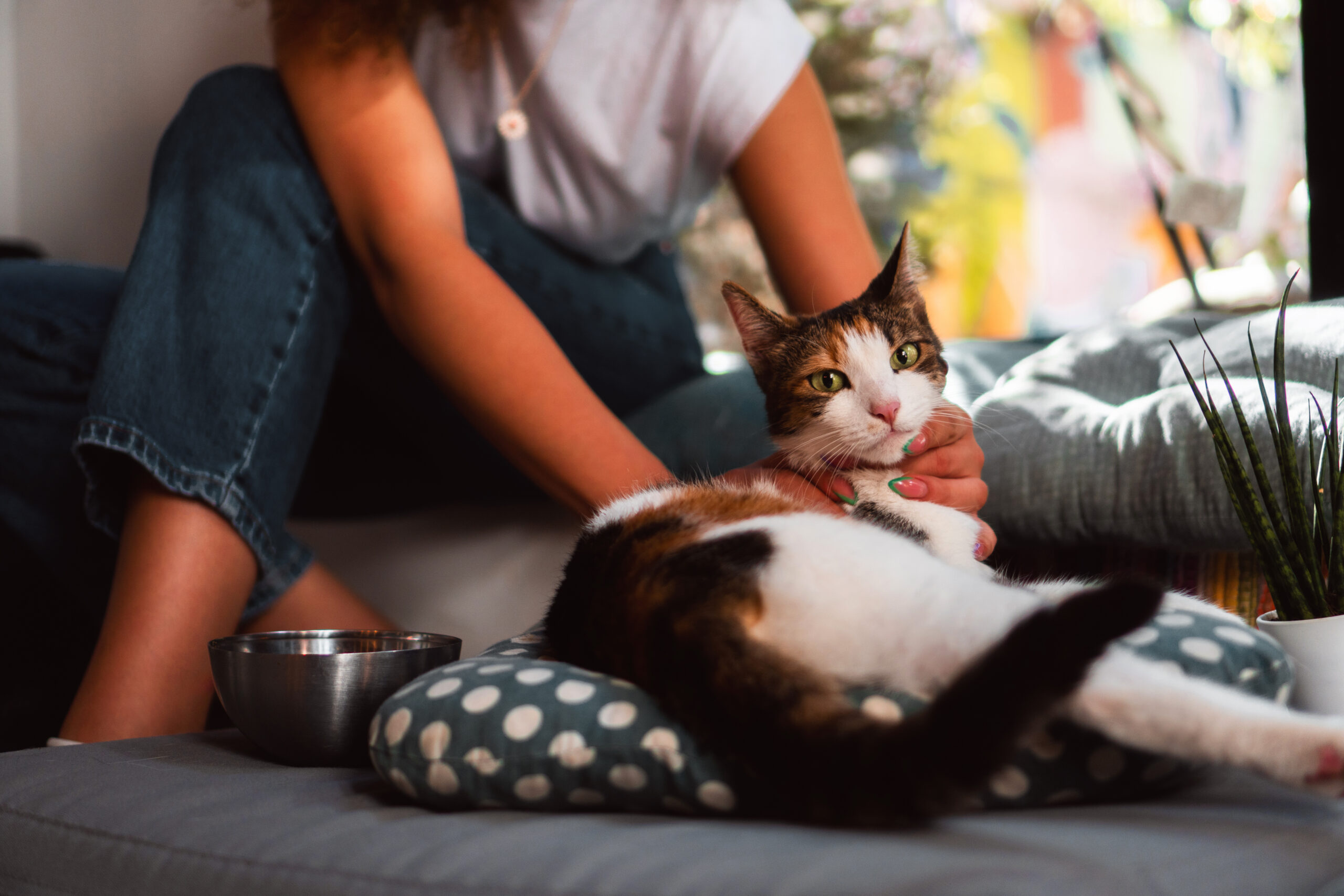
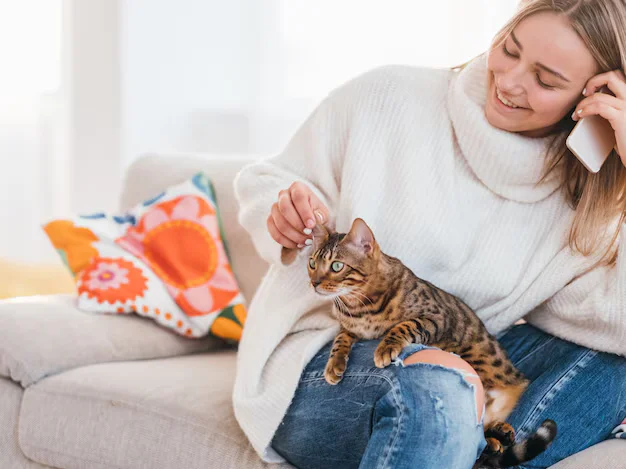
Grooming your cat at home isn’t just about keeping them clean or looking good. It’s an important part of their overall health and comfort. While cats groom themselves naturally, they still need a little help from their owners to stay healthy, reduce shedding, and avoid common issues like hairballs or painful mats.
If grooming feels intimidating, don’t worry. With the right approach and a bit of patience, it can become a calm and enjoyable routine for both you and your cat.
Why Grooming Your Cat at Home Matters
Regular grooming helps remove loose fur, spreads natural oils through the coat, and allows you to spot changes in your cat’s skin or body early. Many health issues show subtle signs first, and grooming gives you a chance to notice them before they become serious.
Grooming also helps cats feel more comfortable, especially indoor cats that don’t get the same level of natural wear and stimulation as outdoor cats.
Understanding Your Cat’s Personality Before You Start
Every cat reacts differently to grooming. Some enjoy brushing and see it as bonding time, while others may feel nervous or overstimulated. The key is to start slowly and respect your cat’s limits.
Short sessions work best, especially at the beginning. Try grooming when your cat is already calm or sleepy, and always stop if they seem stressed. Over time, your cat will learn that grooming is safe and even pleasant.
Brushing Your Cat the Right Way
Brushing is the foundation of grooming at home. It removes loose hair, reduces shedding, and helps prevent tangles, especially in long-haired cats. Short-haired cats usually need brushing once or twice a week, while long-haired cats may need it more often.
Always brush gently and follow the direction of your cat’s fur. If you encounter a knot, never pull it forcefully. Slow, gentle strokes help keep grooming comfortable and stress-free.
Do Cats Really Need Baths?
In most cases, cats do not need regular baths. They are excellent self-groomers, and bathing too often can dry out their skin and cause irritation. A bath is only necessary if your cat gets into something dirty or sticky, or if a veterinarian recommends it.
If you do need to bathe your cat, use a shampoo made specifically for cats, keep the water warm (not hot), and work quickly but calmly. Dry your cat thoroughly afterward and keep them in a warm space.
Trimming Your Cat’s Nails Safely
Nail trimming is an important but often overlooked part of grooming. Overgrown nails can cause discomfort and lead to scratching problems around the house. Trimming just the sharp tip of the nail is usually enough.
Be careful to avoid the pink area inside the nail, known as the quick. If you’re unsure, trimming a small amount is safer than cutting too much. With regular practice, nail trimming becomes easier for both you and your cat.
Ear, Eye, and Dental Care Basics
Ears and eyes usually require minimal care. If you notice visible dirt in the ears, gently clean the outer area with a soft cloth. Never insert anything deep into the ear canal. Occasional eye discharge can be wiped gently, but ongoing issues should be checked by a veterinarian.
Dental care is just as important as coat care. Poor oral health can lead to gum disease and other health problems. Dental treats, water additives, or cat-friendly toothbrushes can help maintain healthy teeth and gums when introduced gradually.
Choosing the Right Grooming Tools
Using the right tools makes grooming easier and more effective. A soft brush, a deshedding tool, cat nail clippers, and grooming wipes are usually enough for most households. Always choose tools designed specifically for cats, as dog grooming tools can be too harsh.
Good tools not only make grooming more comfortable but also help your cat associate the experience with positive feelings.
How Grooming Helps You Spot Health Issues Early
One of the biggest benefits of grooming at home is the chance to observe your cat closely. Changes in fur texture, skin condition, or behavior can be early signs of health issues. Catching these changes early allows you to seek professional advice before problems worsen.
When Professional Grooming or Vet Help Is Needed
While home grooming works well for most cats, some situations require professional help. Severe matting, medical conditions, or extreme stress during grooming are good reasons to consult a veterinarian or professional groomer.
Final Thoughts on Grooming Your Cat at Home
Grooming your cat at home doesn’t need to be perfect. What matters most is consistency, patience, and care. When done correctly, grooming strengthens your bond with your cat and helps them feel comfortable, healthy, and relaxed.
Over time, grooming can become a peaceful routine rather than a challenge, benefiting both you and your feline companion.