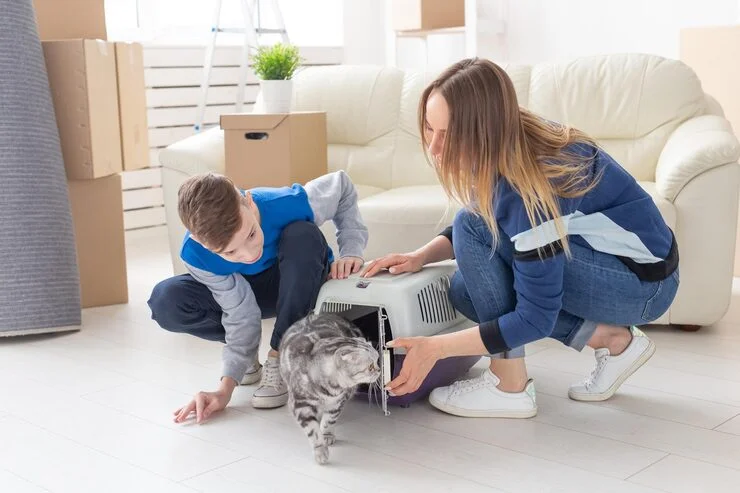
Moving a cat to a new home can be a challenging experience for both the pet and the owner. Cats are creatures of habit, and sudden changes in their environment can make them anxious and fearful. They are highly sensitive to the sights, sounds, and smells of a, and even small changes in routine can affect their behavior. With proper planning, patience, and care, you can help your cat adjust smoothly and make them feel safe, comfortable, and happy in their new home.
It is important to understand each cat differently. Some may explore quickly, while others prefer to hide and observe quietly. Paying close attention to your cat’s reactions and responding gently can reduce unnecessary stress and build trust. Preparing ahead and organizing before the move ensures that your cat has a familiar and secure environment from the moment they arrive.
Prepare an Unused Home
Before bringing your cat into your modern home, make beyond any doubt the environment is calm and prepared for the move. Select a calm room where your cat can spend the first few days without being exasperated by boisterous clamors or overwhelming foot activity. Expel any dangers such as sharp objects, ropes, or little objects that may be inadvertently gulped. Set up a comfortable bed in a calm corner with commonplace toys and scratching posts to make a sense of recognition.
Keep Commonplace Objects
Cats depend intensely on recognizable fragrances to feel secure. Bring their favorite bedding, toys, and scratching posts from their previous home. You can also put covers or clothing with your scent on them to give additional comfort. Familiar objects create a sense of continuity and help the cat recognize a piece of their old home in a new place. For more tips on helping your cat adjust, you can check out this helpful guide.
Introduce Yourself Slowly
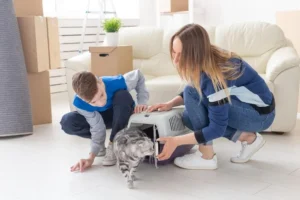
Don’t surge through the whole house. Let your cat investigate one room at a time, watching his responses. A few cats may stow away beneath furniture or remain in corners for hours or days. Let the cat come out on its claim, and do not constrain interaction. A slow introduction permits the cat to construct certainty and securely get it into the modern environment.
Keep up a Routine
Cats feel more secure when their day-by-day lives are obvious. Keeping up a solid plan makes a distinction between them and changes more quickly to an unused residential area. Take after these essential steps:
- Bolster your cat at the same time each day.
- Stick to standard play and rest schedules.
- Use recognizable nourishing bowls and food.
- Avoid sudden changes in everyday times or activities.
- Maintain reliable interaction and calm time with your cat.
An unsurprising schedule diminishes stress and makes your cat feel secure in their modern environment.
Provide Stowing-away places for your cat.
Safe Retreat
Cats feel most comfortable in little, encased spaces. You can utilize boxes, secured beds, or covers to make cozy covering-up places. Setting these in calm corners of the house guarantees that your cat has a secure place to withdraw to when they feel overpowered. A few cats may favor a tall rack or behind furniture, whereas others may appreciate a delicate, secured bed on the floor. For more tips on creating a safe and comfortable environment for your cat, you can visit this guide:
Give your cat Control
Hiding places permit cats to have control over their environment, which is basic for decreasing stress. Never let your cat out of its stowing-away spot. Let it out when it feels prepared. Attempting to drive the cat out or encompassing it can increase uneasiness and make a negative affiliation with the modern domestic. Regarding your cat’s requirement for security, it appears that the space is secure and predictable.
Encouraging progressive Exploration
Once your cat is comfortable utilizing the stowing-away spots, you How to help my can steadily encourage him to investigate other regions of the house. Put recognizable toys or treats close to the entrance to modern rooms. This makes a difference in how the cat relates unused spaces with security and positive encounters. A slow investigation from a secure beginning point makes the alteration preparation smoother and faster.
Reduce Stretch and Construct Confidence
Providing covered-up places is not, as it were, almost giving your cat a place to withdraw to, but approximately making a difference in your cat’s construction of certainty. When a cat knows that she has a secure place to go back to, she feels more in control and less anxious. This control empowers perky behavior, better intuition with family individuals, and, in general, enthusiastic well-being.
Use pheromone products
Pheromone showers and diffusers can offer assistance to your cat to feel calm and secure in their modern home. These items imitate characteristic cat pheromones and create an unwinding environment. Pheromone diffusers decrease uneasiness and push in cats. Place the splash or diffuser in the rooms where your cat spends most of its time.
Offer Intelligent Play
Play is basic for mental incitement and push alleviation. Utilize toys that imitate chasing, such as little balls with quills or laser pointers. Intelligently playing sessions constructs vitality and decreases fear. Normal play reinforces the bond between you and your cat and keeps your cat engaged and securely possessed. Consider utilizing Perplex toys that challenge your cat’s mind.
Introduce Family Individuals Gradually
If you have other family individuals or pets, present them slowly. Let your cat watch modern individuals from a separate connection sometime recently. Never drive your cat to approach somebody or another pet. Progressive presentations offer assistance to your cat to feel in control and anticipate negative affiliations.
Monitor Nourishment and Drink
Stress can influence cravings and water admissions. Screen nourishment and water closely amid the first few days. A few cats may deny eating, but it is basic that they drink water routinely. If the cat refuses to eat or drink for more than 24 hours, consult a veterinarian. True blue food reinforces physical prosperity and makes a contrast between the cat’s alter and its present-day environment.
Create Vertical Spaces
Cats feel secure when they have tall places to watch their environment. Give a rack cat tree or window roost. Raised places decrease fear and grant the cat control over its environment. Vertical spaces, moreover, give workouts and mental incitement. Put scratching posts adjacent to empower sound habits.
Stay calm and Persistent
Your state of intellect impacts your cat’s reassurance level. Move slowly and converse carefully around the cat. Keep up a key removal from tumultuous, sudden advancements or commanding movements. Resistance is key, as it can take days, weeks, or, in fact, longer for a few cats to feel completely comfortable. Keep the interaction fragile and dependable to develop acceptance and security.
Encourage Exploration
Once your cat is comfortable in their unused room, it is imperative to energize them to investigate other regions of the house gradually and carefully. Cats are actually cautious creatures, and sudden introductions to unused places can be unsettling. Take off entryways, open them, and expel impediments that might startle or befuddle your cat.
Observe Behavior
Close perception of your cat’s behavior is basic to understanding how she is altering her unused domestic. See for unpretentious signs of push, such as delayed stowing away, intemperate meowing, animosity, or sudden changes in preparing propensities. A few cats may be clingy or excessively subordinate, whereas others may dodge interaction inside and out.
Keep litter boxes Clean
Dodge loud or high-traffic ranges that may dishearten you. Utilize the same sort of litter that your cat is used to to avoid perplexity or inconvenience. Scoop the litter box day by day and alter the litter routinely to keep up cleanliness. A clean environment empowers appropriate disposal and decreases push.
Gradually Outward Compliments
If your cat has gotten to the outside, arrange a delicate presentation. Begin with brief directed sessions in a secure zone. Slowly increment the time and make beyond any doubt the environment is secure. Dodge uproarious commotions or forceful creatures on active lanes. Controlled introduction diminishes fear and makes a difference in your cat appreciating open-air encounters securely
.

Positive help
Reward calm, certain behavior with treats or delicate pet treats. Dodge rebuffing, stowing away, or cautious behavior as this increments stretch. Positive fortification energizes investigation and makes a difference in how your cat relates the modern domestic with consolation and security. Laud and treats can energize the cat to attempt unused exercises or enter modern rooms.
Additional tips forRelaxation
Provide new water and high-quality nourishment in reliable areas. Turn toys to keep your cat interested. Utilize delicate bedding and make beyond any doubt the temperature is comfortable. Spend calm time close to your cat to study or work so it gets used to your nearness. Each cat alters in an unexpected way, so customize your approach to suit personality.
Conclusion
Helping a cat alter to an unused domestic requires tolerance and understanding. Giving steady schedules and tender support with commonplace objects in secure places makes a difference in decreasing push. Watch behavior closely and react to needs expeditiously. With cherishing care and tolerance, your cat will before long feel sure and upbeat in its modern home.