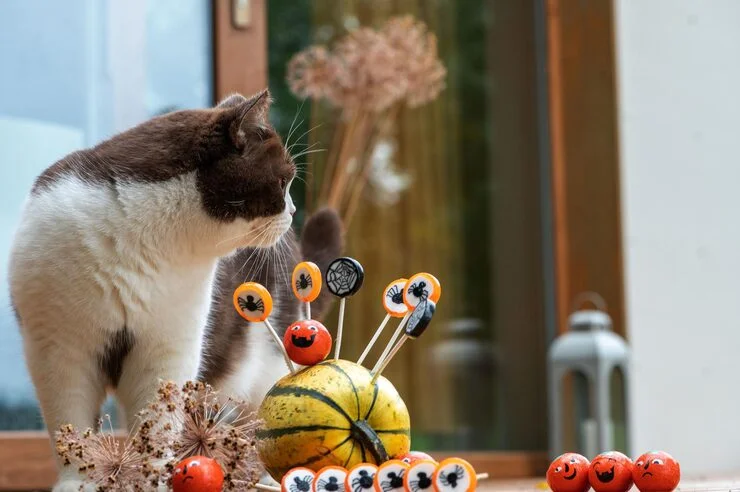
Indoor cats live safe and comfortable lives, but staying indoors can sometimes limit their mental stimulation. Without enough engagement, cats may become bored, restless, or develop unwanted behaviors. Mental stimulation is just as important as physical activity for keeping cats happy and balanced.
In this article, you’ll learn practical and easy ways to keep your indoor cat mentally stimulated every day using simple habits, toys, and routines.
Why Mental Stimulation Is Essential for Indoor Cats
Cats are natural hunters and explorers. In the wild, they spend much of their time observing, stalking, and solving problems. Indoor environments remove many of these natural challenges.
Without mental stimulation, cats may experience:
- Boredom and frustration
- Excessive sleeping
- Destructive behavior
- Reduced curiosity
Providing daily mental engagement helps recreate natural behaviors and improves overall well-being.
Understanding How Cats Learn and Explore
Cats learn through interaction and observation. New experiences, textures, sounds, and challenges keep their minds active.
Mental stimulation helps cats:
- Stay curious
- Build confidence
- Reduce stress
- Maintain emotional balance
Small changes in daily routine can have a big impact on mental health.
🎥 Watch: Simple Ways to Stimulate Your Indoor Cat
Interactive Play as Mental Exercise
Playtime is one of the most effective mental stimulation tools. Interactive play encourages focus, decision-making, and natural hunting behavior.
Effective play ideas include:
- Wand toys with unpredictable movement
- Hide-and-seek games
- Rotating toys to maintain interest
Short, focused play sessions every day are more beneficial than occasional long sessions.
Food Enrichment and Puzzle Feeding
Using food as enrichment turns mealtime into a mental challenge instead of a passive activity.
Benefits of food enrichment:
- Slower eating
- Increased problem-solving
- Reduced boredom
- Healthier eating habits
Food puzzles and treat-dispensing toys keep your cat engaged while rewarding effort.
Creating a Stimulating Home Environment
Your cat’s environment plays a major role in mental health.
Simple improvements include:
- Window views for visual stimulation
- Elevated shelves or cat trees
- Safe hiding spots
- Scratching posts in different areas
Environmental variety encourages exploration and curiosity.
Rotating Toys and Activities
Cats quickly lose interest in toys that never change. Rotation keeps activities fresh and exciting.
Helpful tips:
- Store some toys out of sight
- Reintroduce them weekly
- Combine toys with play sessions
This prevents boredom without buying new toys constantly.
Daily Routine and Predictability
Mental stimulation works best when combined with routine. reminding cats when to expect activity reduces stress.
A healthy routine includes:
- Scheduled playtime
- Regular feeding
- Quiet rest periods
Predictability helps cats feel secure and confident.
Social Interaction and Engagement
Cats may be independent, but they still need interaction.
Ways to engage socially:
- Talking calmly to your cat
- Gentle grooming
- Sitting nearby during rest
Quality interaction supports emotional health.
Signs Your Cat Is Mentally Stimulated
Positive signs include:
- Increased curiosity
- Relaxed behavior
- Reduced destructive habits
- Balanced energy levels
These signs indicate your enrichment efforts are working.
Common Mistakes to Avoid
Avoid these common errors:
- Overstimulating with constant activity
- Using the same toys daily
- Ignoring your cat’s signals
- Forcing interaction
Mental stimulation should be engaging—not overwhelming.
Adjusting Stimulation for Age and Personality
Each cat is unique. Age, personality, and energy level matter.
Consider:
- Gentle puzzles for senior cats
- More exploration for young cats
- Quiet enrichment for shy cats
Customization improves results.
Final Thoughts
Keeping your indoor cat mentally stimulated does not require expensive products or complex setups. Consistent play, enrichment activities, and a stimulating environment are enough to support mental and emotional well-being.
By making small daily efforts, you help your cat stay curious, confident, and happy—leading to a healthier and more fulfilling life indoors.