
Keeping a cat indoors can be one of the best ways to protect their health and safety. Indoor cats are less exposed to traffic, diseases, and environmental dangers. However, indoor living also comes with responsibilities. To keep your cat healthy, calm, and happy, you need to understand their daily needs and natural behaviors.
This beginner’s guide covers everything you need to know to properly care for an indoor cat.
Understanding Indoor Cat Needs
Cats may live indoors, but they still have strong instincts to hunt, explore, and play. When these instincts are ignored, indoor cats may develop stress, boredom, or behavioral issues.
An ideal indoor environment should support:
- Physical activity
- Mental stimulation
- Consistent routines
- A sense of safety and comfort
Meeting these needs is the foundation of good indoor cat care.
Creating a Daily Routine for Your Cat
Cats thrive on routine. Predictable schedules help them feel secure and reduce stress-related behaviors.
A healthy daily routine includes:
- Feeding at the same times each day
- Scheduled play sessions
- Quiet rest periods
- Clean litter box access
Even small changes in routine should be introduced gradually.
Feeding an Indoor Cat Properly
Indoor cats usually burn fewer calories than outdoor cats, so proper feeding is essential to prevent weight gain.
Basic feeding guidelines:
- Choose high-quality cat food appropriate for your cat’s age
- Measure portions instead of free-feeding
- Provide fresh water at all times
- Avoid frequent treats
Overfeeding is one of the most common mistakes new cat owners make. Monitoring your cat’s weight and eating habits is important for long-term health.
Litter Box Setup and Hygiene
A clean and accessible litter box is critical for indoor cats.
Litter box best practices:
- One litter box per cat, plus one extra if possible
- Scoop daily and clean thoroughly each week
- Place the litter box in a quiet, low-traffic area
- Avoid sudden changes in litter type
Ignoring litter box hygiene often leads to avoidance behaviors and stress.
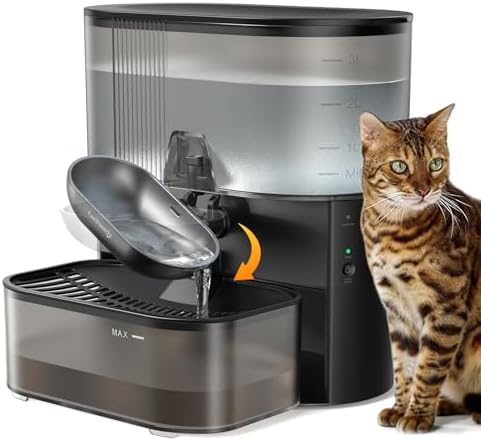
- Revolutionary Wastewater Separation – Features independent clean/wastewater tanks for continuous fresh water. The self-c…
- No Filters, Pure Savings – No filters or recurring costs! This revolutionary design skips weekly filter replacements, sa…
- 180 Days Cordless Freedom – Powered by a 2,000mAh USB-C rechargeable battery, this fountain runs cordlessly for up to 6 …
Play and Mental Stimulation
Indoor cats rely on their owners for physical and mental engagement. Without stimulation, boredom can quickly turn into destructive behavior.
Simple enrichment ideas:
- Short daily play sessions using interactive toys
- Window access for visual stimulation
- Puzzle feeders for mental engagement
- Rotating toys to keep things interesting
Playtime also strengthens the bond between you and your cat.
Providing a Safe Indoor Environment
Safety is a major benefit of indoor living, but hazards still exist.
Common indoor safety tips:
- Secure windows and balconies
- Keep toxic plants and chemicals out of reach
- Store small objects that could be swallowed
- Provide scratching posts to protect furniture
A safe environment allows your cat to explore without unnecessary risk.
Grooming and General Care
Even indoor cats require regular grooming and care.
This includes:
- Brushing to reduce shedding and hairballs
- Nail trimming when needed
- Regular observation of behavior and appetite
Noticing small changes early can help prevent bigger issues later.
Common Mistakes New Indoor Cat Owners Make
Avoiding these common mistakes can significantly improve your cat’s quality of life:
- Ignoring play and enrichment
- Overfeeding
- Inconsistent routines
- Neglecting litter box cleanliness
- Assuming indoor cats don’t need attention
Indoor cats depend heavily on their owners for stimulation and care.
Final Thoughts
Taking care of an indoor cat is about balance — providing safety while respecting natural instincts. With the right routine, environment, and attention, indoor cats can live long, healthy, and happy lives.
If you’re new to cat ownership, start simple, observe your cat’s behavior, and adjust as needed. A well-cared-for indoor cat will reward you with trust, affection, and companionship.
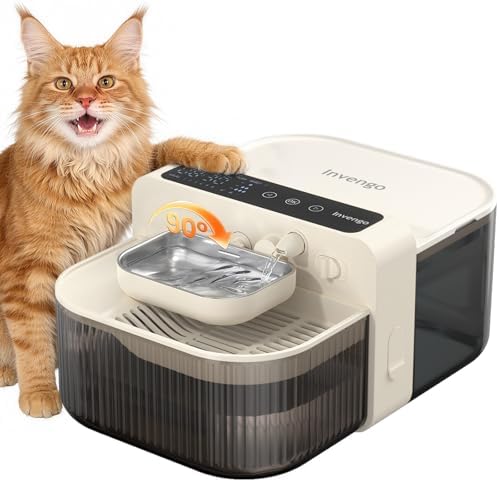
- Cat Water Fountain & Dog Water Fountain – Fresh & Hygienic Hydration: Every sip stays clean with an innovative wastewate…
- No Filters Needed – Cost-Saving & Easy Maintenance: Say goodbye to expensive filter replacements with this pet water fou…
- Wireless Freedom – 180-Day Battery Life: Enjoy cordless convenience with a cat fountain and cat water fountain that keep…