In today’s modern lifestyle, many cat owners prefer keeping their cats indoors. Harness walking offers a safe and controlled way for cats to explore the outside world. This article focuses on how to train your cat to walk on a harness step by step. Written in clear Roman Urdu, it provides practical and easy-to-follow guidance. Each section explains how to train your cat properly, making the process simple even for beginners.
Why Harness Training is Important
Tackle preparing is exceptionally advantageous for both a cat’s physical and mental well-being. Cats regularly get bored remaining inside. Open-air strolls uncover them to modern smells and sounds that keep their faculties fortified. A saddle is more secure than a collar since there is no weight on the cat’s neck. This decreases the chance of damage and gives the proprietor superior control. Customary strolls also diminish the hazard of obesity. For more tips on cat care and outdoor activities, visit Catzy.
Choosing the Right use
The success of harness training largely depends on choosing the right harness when learning how to train a cat properly. There are different designs available on the market, but it is always better to select a soft and lightweight option. Adjustable straps are essential for achieving a proper fit. The harness material should be smooth to prevent skin irritation. Using the correct size makes the cat comfortable and easier to train when understanding how to train them safely.
Familiarizing the cat with the Harness
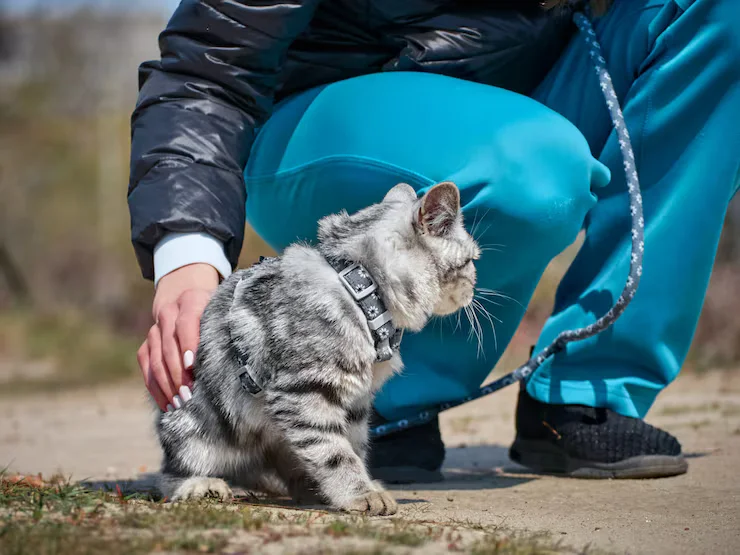
The first viable step in preparing is to get your cat comfortable with utilizing the saddle. Put the saddle in a calm zone where your cat frequently comes. Permit your cat to utilize it on their own. Do not apply any weight amid this time. This preparation may take a few days, but persistence is fundamental. The objective at this organization is essentially to advance familiarity.
Wearing a Saddle Indoors
Once your cat begins to acknowledge the tackle, begin wearing it inside. Wear the tackle for, as it were, two to three minutes to begin with. If your cat solidifies or lies down on the ground, this is ordinary. Evacuate the tackle at that point and attempt once more afterward. Increment the time a small amount each day. This progressive handle will offer assistance to anticipate the cat from feeling scared. For a detailed guide, check out leash training your cat.
Positive Partner Behavior
Correct Utilization of Treatment
Positive fortification implies fulfilling great behavior. Provide your cat a little treat when they unwind or move around a bit while wearing the tackle. Keep the treat little to avoid overloading. This way, the cat learns that being utilized is a positive encounter. Slowly, the cat will get to be more cooperative.
Soft Definition and Delicate Interaction
Not as it were treats, but moreover tender praise is exceptionally viable. When the cat is calm, talk to it in a delicate and tender voice. Delicate touches and light petting, moreover, act as a jolt. This makes the cat feel secure and increases belief in the proprietor. Emotional consolation makes how to train indeed better.
Negative Reaction Se Parvez
During training, avoid using anger or force in response to negative behavior. If the cat resists it is best to ignore it. Take a break and try again. Negative reactions create fear, which slows down training. A positive approach keeps the process stress-free and produces better results. For additional tips on keeping your pets safe from pests, check out
Slow Introduction to leas
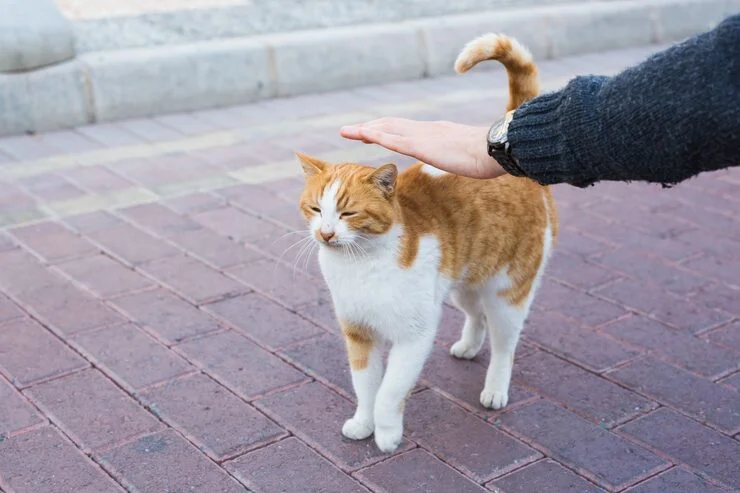
- After control, introducing the leash is the next important step.
- Just attach the leash first and let the cat explore freely inside the house.
- Do not pull or force the bandage while holding it in your hand.
- Let the cat walk at its own pace and comfort.
- This handle makes a difference; the cat has gotten used to the weight and development of the leash.
Indoor Strolling Practice
An indoor walking space is a strong and essential foundation for learning how to train your cat. When you teach your cat to walk short distances indoors, their confidence gradually builds. Start with brief walks in a hallway, corridor, or quiet room. Allow the cat to explore freely while you offer only gentle guidance. Do not force movement if the cat stops or hesitates. Patience plays a key role when learning how to train a cat for walking. Cats are often cautious around new experiences, but calm practice and consistency help them feel secure over time. Indoor practice improves coordination and helps the cat gain experience with leash movement in a safe environment. For tips on helping your cat adjust to a new environment, check out this guide on Quora.
Choosing the Right open-air area
The choice of area for an open-air walk is exceptionally vital since, to begin with, open-air involvement is paramount and conclusive for the cat. In the starting, continuously select a calm and encased region where there is no activity or uproarious commotion. A plant, patio, or purge yard are the best choices. This secure environment makes the cat feel loose and certain. Maintain a strategic distance from places with a lot of individuals, mutts, and activity, as these can cause stress and uneasiness to the cat.
Ways to take your to Begin with Open air walk
To begin with, the open-air walk ought to continuously be brief and basic so as not to overpower the cat. Take it outside for a fair few minutes and permit it to investigate with each step. Let it watch the smells and sights around it. Keep the chain free and dodge sudden developments, pulling, or cruel tones. If the cat appears reluctant or anxious, return home instantly. A positive finish to the beginning walk is exceptionally critical since it builds certainty for future strolls.
Understanding Cat Body Language
It is extremely important to observe the cat’s body language during exercise preparations when learning how to train. Cats express their emotions without words. A stiffened tail or dropping it to the ground is a sign of stress. Pulling their ears back or widening their eyes also indicates stress. In this situation, it is not wise to continue training. It is better to take a short break to maintain a positive experience while learning how to train. When a cat is relaxed, its body is loose and movements are smooth. Normal walking and exploring its environment are clear signs of comfort. The more the owner observes, the better the response will be. This approach ensures that training remains safe and effective, helping the cat understand how to train properly.

Schedule and Security tips
Routine is a very important part of harness training. Short walks at the same time each day help your cat get used to the schedule, which reduces anxiety and builds confidence. Learning how to train your cat with a harness ensures safer and more comfortable walks. The leashes and harnesses should be checked carefully before each walk. Frayed or damaged leashes can be a safety risk, so knowing how to train your cat to stay calm on the leash is essential. It is important to avoid busy streets, keep a distance from unfamiliar animals, and skip walks in extreme heat or cold. Fresh water should also be provided. Understanding how to train your cat with proper routine and safety measures ensures stress-free outdoor adventures.
Conclusion
Harness preparation is a slow but very rewarding process. Learninghow to train a cat for a harness takes patience and consistency. Every cat learns at a different pace, so patience is essential. Rushing results can make training difficult. Proper fitting and positive reinforcement make the process easier. Once the cat feels completely comfortable, outdoor walks become an enjoyable activity. Harness training provides mental stimulation and improves physical health. Trust and the bond between the owner and the cat grow stronger. With a consistent routine, harness walking can become a healthy habit