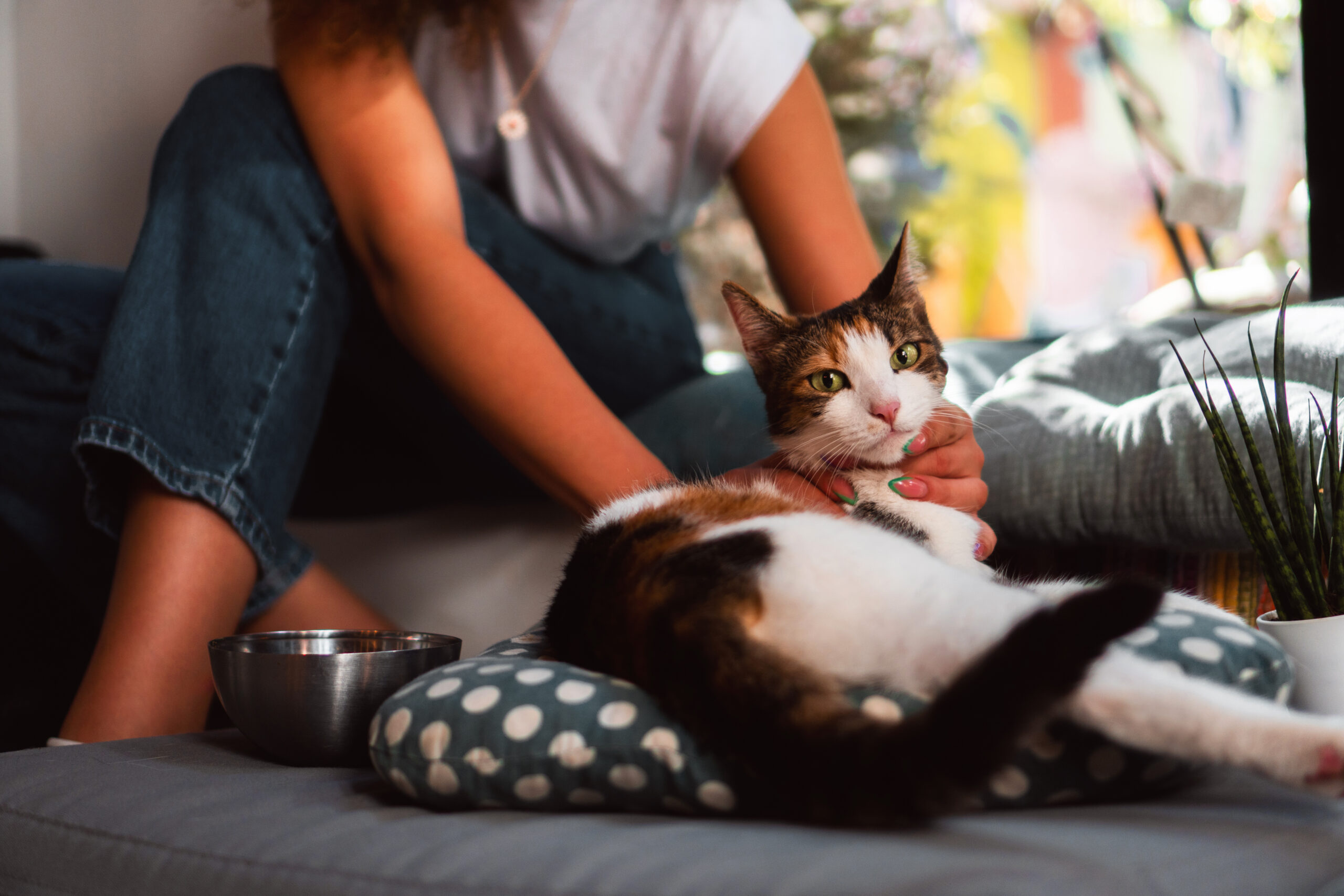
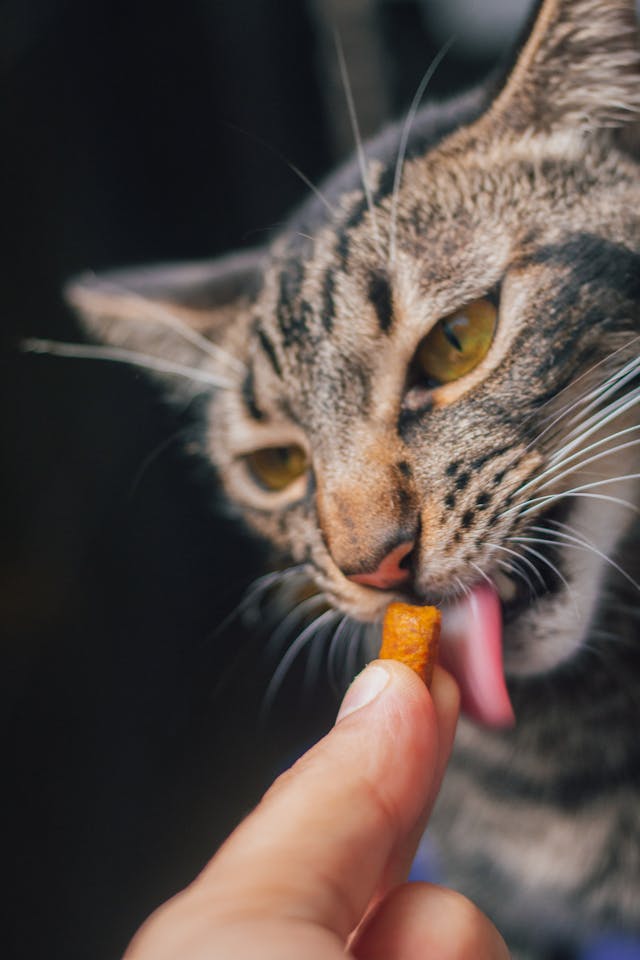
Cat treats are a popular way to reward and bond with cats, but using them incorrectly can lead to health and behavior problems. While treats can be beneficial, moderation and proper use are essential to ensure your cat stays healthy and balanced.
This article explains how to use cat treats responsibly, avoid common mistakes, and create healthy treat habits that benefit your cat.
Understanding the Purpose of Cat Treats
Cat treats are designed to be occasional rewards, not meal replacements. Their main purpose is to encourage positive behavior and create enjoyable interactions.
Treats are best used for:
- Rewarding good behavior
- Supporting basic training
- Building trust and bonding
- Adding variety to daily routines
When treats are used correctly, they enhance your cat’s life without causing dependency.
Common Mistakes Cat Owners Make With Treats
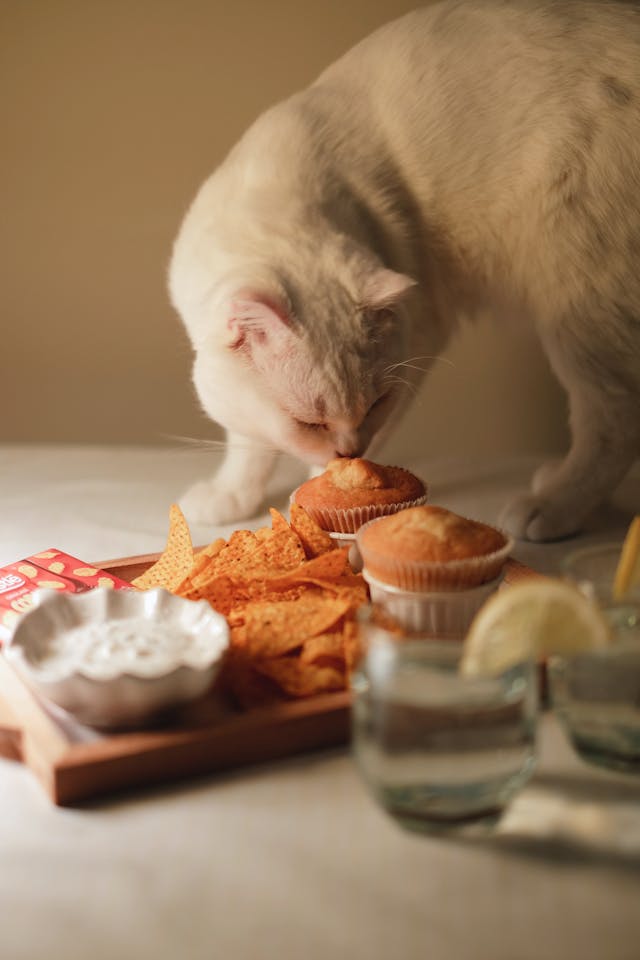
Many cat owners unintentionally overuse treats, thinking they are harmless.
Common mistakes include:
- Giving treats too frequently
- Using treats to stop unwanted behavior
- Replacing meals with treats
- Ignoring portion sizes
Over time, these habits can lead to weight gain, picky eating, and behavioral issues.
How Treats Affect Your Cat’s Health
Treats are usually higher in calories than regular food. Excessive treat consumption can affect your cat’s overall health.
Potential risks of overuse:
- Obesity
- Reduced interest in balanced meals
- Digestive discomfort
- Unhealthy eating patterns
As a result, treats should always be given as part of a controlled routine.
Setting Healthy Treat Limits
Establishing clear limits helps keep treat use under control.
Helpful guidelines:
- Treats should not exceed 10% of daily calorie intake
- Offer treats at specific times, not randomly
- Use smaller treat portions when possible
- Balance treat days with lighter meals if needed
Consistency helps your cat understand when treats are available.
Choosing Treats That Support Well-Being
The quality of treats matters as much as the quantity. High-quality treats support your cat’s overall wellness.
Look for treats that:
- Are made specifically for cats
- Contain simple, recognizable ingredients
- Use protein as the main ingredient
- Avoid unnecessary artificial additives
Always read labels carefully before introducing new treats.
Using Treats as Part of a Routine
Treats are most effective when they are part of a structured routine rather than spontaneous rewards.
Examples of healthy routines:
- Treat after playtime
- Reward calm behavior
- Use treats during short training sessions
- Combine treats with verbal praise
Additionally, pairing treats with positive activities prevents dependency.
Alternatives to Treat-Based Rewards
Treats are not the only way to reward your cat. Some cats respond just as well to non-food rewards.
Alternatives include:
- Interactive play
- Gentle petting
- Verbal praise
- New toys or environments
Using a mix of rewards keeps your cat engaged without over-relying on food.
Helping Your Cat Develop Balanced Habits
Balanced treat habits contribute to a calmer and healthier cat. Over time, your cat learns that treats are occasional rewards rather than constant expectations.
Healthy habits lead to:
- Better weight management
- Reduced begging behavior
- Improved focus during training
- A more relaxed daily routine
As a result, both you and your cat benefit.
Final Thoughts
Cat treats can be a helpful and enjoyable part of your cat’s life when used responsibly. By setting limits, choosing quality products, and incorporating treats into a balanced routine, you can avoid common problems and support long-term health.
A thoughtful approach to treats ensures your cat enjoys rewards while maintaining a happy and healthy lifestyle.