Human Foods That Are Actually Good for Cats
Many cat owners assume that all human food is harmful to cats. While it’s true that many foods should never be shared, there are some human foods that can be safe and enjoyable for cats when offered properly and in moderation.
Understanding which human foods are actually suitable for cats can help add variety, enrichment, and enjoyment to their routine—without compromising their health.
🎥 Watch: Human Foods Cats Can Safely Enjoy
Important Rules Before Sharing Human Food
Before introducing any human food, it’s essential to follow a few basic guidelines.
Always remember:
- Human food should never replace cat food
- Portions must be very small
- Food should be plain and unseasoned
- Introduce one food at a time
Moderation and simplicity are key.
1. Plain Cooked Chicken
Plain cooked chicken is one of the safest and most loved human foods for cats.
Why it works:
- High-quality animal protein
- Easy to digest
- Familiar taste and smell
Chicken should always be fully cooked and served without salt, oil, or seasoning.
2. Plain Cooked Turkey
Turkey is another lean protein that many cats enjoy.
Benefits include:
- Soft texture
- Mild flavor
- High protein content
As with chicken, it must be cooked thoroughly and served plain.
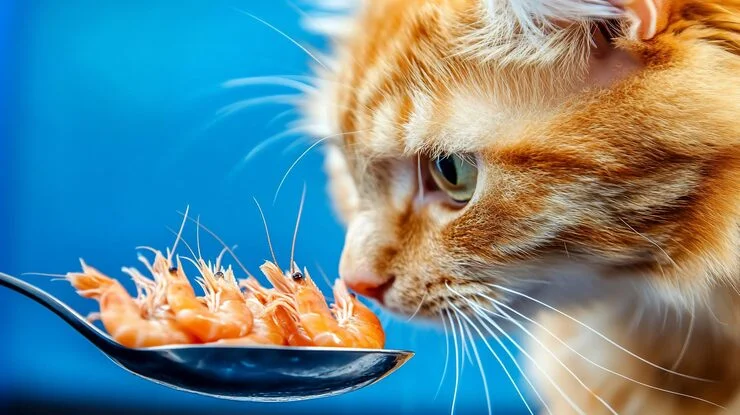
3. Cooked Fish (Occasionally)
Fish has a strong aroma that cats find irresistible. When cooked and served occasionally, it can be a tasty treat.
Why cats like it:
- Strong smell
- Soft flakes
- Natural protein source
Fish should be offered occasionally, not as a regular meal.
4. Eggs (Fully Cooked)
Eggs can be a safe and nutritious treat for cats when fully cooked.
Why they’re suitable:
- High-quality protein
- Soft texture
- Easy to portion
Eggs must always be cooked—never raw.
5. Pumpkin (Plain and Cooked)
Plain cooked pumpkin can be a gentle addition to a cat’s diet.
Why it’s useful:
- Soft texture
- Mild flavor
- Adds variety
Pumpkin should be plain, without sugar or spices.
6. Plain Cooked Carrots
Some cats enjoy the texture of soft carrots.
Why they can work:
- Safe when cooked
- Mild taste
- Adds sensory variety
Carrots should be fully cooked and mashed or finely chopped.
7. Green Beans (Cooked)
Cooked green beans are low in calories and safe for cats in small amounts.
Why they’re acceptable:
- Soft texture when cooked
- Neutral taste
- Useful as a low-calorie snack
They should always be plain and unseasoned.
8. Rice (Plain and Cooked)
Plain cooked rice can be used occasionally in very small amounts.
Why it may be offered:
- Easy to digest
- Soft texture
- Neutral flavor
Rice should never replace protein-based meals.
9. Oatmeal (Plain and Cooked)
Plain oatmeal can be safe for cats in tiny portions.
Why it works:
- Soft consistency
- Easy to mix with food
- Neutral taste
It must be cooked with water only—no milk or sugar.
10. Cat Grass and Safe Greens
While not typical “human food,” cat grass is often grown and handled like food.
Why cats enjoy it:
- Texture variety
- Sensory stimulation
- Natural curiosity
Only grass grown specifically for cats should be used.
Why Cats Enjoy Some Human Foods
Cats are obligate carnivores, but they still respond to:
- Texture
- Smell
- Temperature
Some human foods appeal to their senses even if they don’t need them nutritionally.
Foods That Are Often Mistaken as Safe
Some foods may seem harmless but should be avoided.
Examples include:
- Milk and dairy
- Seasoned meats
- Raw foods
- Sugary items
When unsure, it’s best to avoid sharing.
How Often Should Cats Eat Human Food?
Human food should be considered an occasional treat, not a habit.
General guidelines:
- Treat foods should stay under 10% of daily intake
- Offer only once or twice a week
- Watch your cat’s reaction
Routine should always focus on balanced cat food.
Signs Your Cat Enjoys a Food Safely
Positive signs include:
- Calm eating behavior
- Normal digestion
- No change in appetite
- Relaxed posture
Negative reactions mean the food should be avoided.
Creating Positive Food Experiences
Food can be used as enrichment when offered thoughtfully.
Ideas include:
- Mixing small portions with regular food
- Using food in puzzle feeders
- Offering during calm moments
Positive experiences build trust and enjoyment.
Final Thoughts
While many human foods are unsafe for cats, some can be enjoyed responsibly in small, plain portions. Lean proteins and simple cooked foods can add variety and enrichment when used carefully.
The key is moderation, preparation, and understanding that human food is a supplement—not a replacement—for proper cat nutrition.
When in doubt, choose simplicity and always prioritize your cat’s well-being.