Cats are our small companions at home, and their well-being is exceptionally critical to us. If you pay attention to your cat’s well-being, a little issue can be anticipated from becoming an enormous issue. Each cat is unmistakable in terms of its prosperity, but there are a few signs of illness that as often as possible appear as ailments. Recognizing these signs of illness and taking your cat to the vet in time is crucial for both the prosperity and life of your cat. Customary perception and paying consideration to indeed little changes can be exceptionally beneficial in spotting early signs of illness and ensuring proper care.
Feeling Frail and Missing Activity
Signs of Illness in Cats can often be noticed when your feline appears more dormant than usual. A lack of energy or reduced liveliness is frequently a sign of internal health issues. When a cat is weak, it tends to rest more and move less. If you observe that your cat is spending extra time resting and shows little interest in its normal activities, this is a serious sign of illness. In such cases, if this condition continues for several days, it is important to consult a veterinarian promptly to ensure your cat’s well-being.
Eating less or not Eating at all,
This is a signs you cat strong caution sign. Not eating is frequently a sign of stomach issues, maladies, or push. If your cat skips eating each day, it can lead to drying out and shortcomings. In this circumstance, it is vital to get to the dietary issue. Not eating each day can turn a little contamination or stomach-related issue into an enormous issue. In this circumstance, it is exceptionally imperative to consult a specialist and get the vital tests done.

Changes in Urination and Digestion
A cat’s pee and feces are fabulous markers of its well-being. Signs of illness in cats include changes in color, amount, or recurrence, which can demonstrate a kidney or bladder issue. The color and consistency of the feces are, moreover, vital. Loose bowels, obstruction, or blood in the pee can flag a genuine well-being issue. Customary checking and perception can offer assistance in identifying issues early. If these conditions are disregarded, disease and genuine complications can occur.
Boiling or Vomiting.
Signs of Illness in Cats Nausea and heaving are frequently indications of stomach-related issues. If this condition endures for more than a fair couple of days, it is a sign of a genuine issue. Heaving may be accompanied by laziness, shortcomings, and drying out, which makes it essential to see a specialist. Stomach-related issues are as often as possible caused by illnesses, hairballs, or food intolerances. If your cat retches frequently or has stomach torment, it is best to see a master immediately.
Difficulty Breathing
If the cat is having difficulty breathing, this is a sign of respiratory distress. Signs of Illness in Cats rapid or intermittent breathing is frequently a sign of defilement, hypersensitivities, or heart problems. The cat frequently covers up and decreases typical activity. If this issue is neglected, honest-to-goodness complications such as pneumonia or heart dissatisfaction can develop. If you take note of this sign, it is imperative to take a course of action with a master immediately.
Skin and coat Problems
Coat Condition
A cat’s coat is an awesome pointer of its well-being. If the coat gets to be unreasonably gloomy or harsh, it seems to be a sign of illness in cats or inner well-being issues. A sound coat is delicate, sparkly, and smooth, and is a sign of a solid resistant framework and an adjusted slim down. If your cat’s coat looks dry, fragile, or harsh, it may be a sign of illness in cats, vitamin insufficiency, drying out, or hormonal awkwardness. Customary perception can offer assistance to you to spot minor issues and look for prompt veterinary consideration; some time previously they ended up serious.
Skin Tingling and Burning
A cat’s skin is a vital portion of its general well-being. If the skin is irritated, ruddy, flaky, or dry, it might be a sign of a contamination, parasite, hypersensitivity, or contagious infection. Frequently, insects, ticks, or vermin cause skin disturbance and over-the-top scratching. If the issue is overlooked, the skin can end up tainted and indeed lead to bacterial diseases or open bruises. If not treated expeditiously, both the cat’s consolation and well-being can be affected.
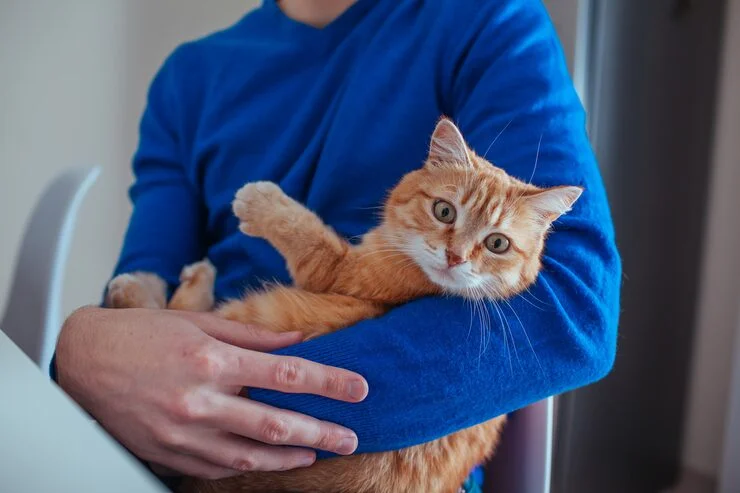
Signs of Illness in Cats: Grooming and Treatment Tips
Signs of Illness in cats can sometimes be subtle, so proper prepping and skin care are essential to prevent minor issues from becoming major ones. Customary brushing expels dead hair and improves skin circulation, while using the right cleanser and conditioner along with regular showering and grooming is very useful. It is exceptionally important to follow your vet’s advice on medicines and skin care schedules. If allergies or infections are causing problems, your vet may recommend medications and topical treatments. Healthy grooming keeps the coat soft, shiny, and strong, reducing the risk of skin irritation, infection, and helping you notice early Signs of Illness in Cats before they worsen.
Weight Change
- If a cat is losing weight quickly, it seems to be a sign of ailment or stress.
- Excessive weight misfortune can be caused by the digestion system or intemperate nourishment intake.
- Weight changes can be effortlessly taken note of through normal monitoring.
- A sound weight can be kept up by eating an adjusted diet, eating less, and working out parcel control.
- If the weight changes in a brief period of time, it is imperative to consult a specialist immediately.
Change in water-Drinking Habits
If your cat begins drinking too much or too little water, it may be a sign of kidney issues, diabetes, or parchedness. Signs of Illness in Cats can often appear through changes in water consumption. It’s critical to pay attention to any sudden changes in your cat’s ordinary water admissions. Keeping a near eye on your cat’s water admissions and pee yield can offer assistance with early conclusions. It’s imperative to take after a legitimate hydration and count calories arranged beneath the direction of a veterinarian.
Change in Delivery
A cat’s behavior is the first sign of its well-being. If a cat has gotten to be more calm or forceful than some time recently, it may be a sign of torment, inconvenience, or push. The need for social interaction or stowing away itself is, moreover, a caution sign. If you take note that your cat is changing its schedule and propensities, this is a flag to consult a veterinarian in a convenient way. Behavioral checking can offer assistance to avoid a little issue from getting to be a huge one.
Itchy eyes and Nose
The eyes and nose can also demonstrate contaminations and well-being issues. Watery, ruddy, swollen, or cloudy eyes and a runny or stuffy nose can demonstrate a genuine issue. This can show a respiratory or viral disease. If these indications show up, consult a specialist quickly. Keeping the eyes and nose clean is exceptionally supportive in keeping up great health.
Dental well-Being and Dental Problems
The eyes and nose can also demonstrate contaminations and well-being issues. Watery, ruddy, swollen, or cloudy eyes and a runny or stuffy nose can demonstrate a genuine issue. This can show a respiratory or viral disease. If these indications show up, consult a specialist quickly. These are important signs of illness in cats. Keeping the eyes and nose clean is exceptionally supportive in keeping up great health.
Signs of Illness in Cats and When to See a Doctor
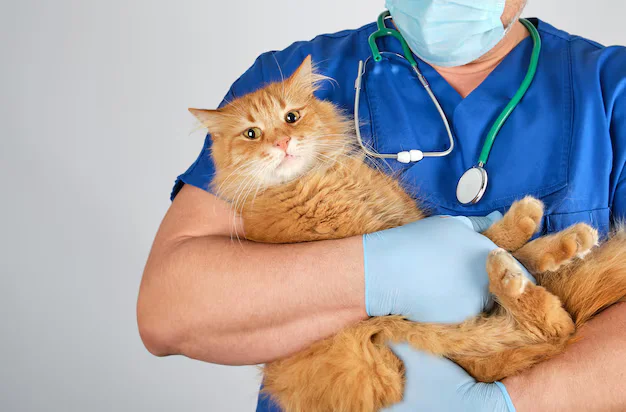
If any of the above signs persist or worsen, it is important to schedule an appointment with the vet immediately. Minor symptoms are often the first Signs of Illness in Cats and can indicate serious health issues. If you notice that your cat’s behavior or routine has changed, there is a sudden change in weight or appetite, or there are problems with breathing, skin, or coat, it is time to consult a vet. Early diagnosis and treatment can protect your cat from serious harm. Regular veterinary checkups ensure an accurate diagnosis and an appropriate treatment plan.
Conclusion
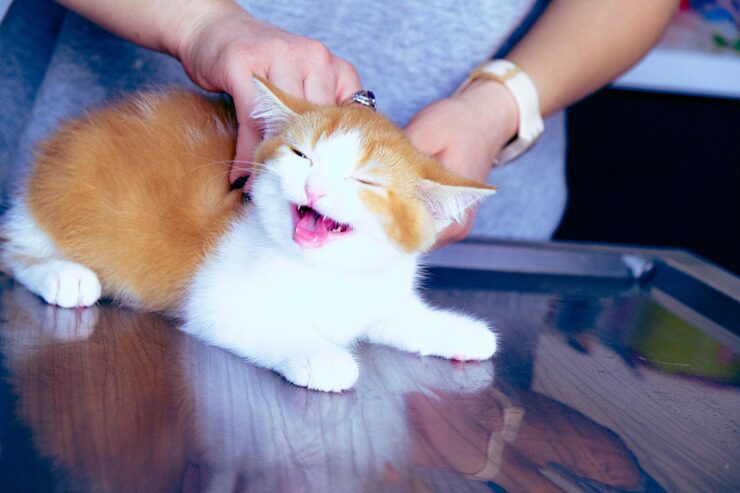
It is extremely important to pay attention to your cat’s health and notice small changes early. Signs of Illness in Cats include weakness, reduced appetite, weight changes, difficulty breathing, and sudden changes in behavior. These are often the first indicators of disease. If any of these symptoms appear, it is important to consult a veterinarian promptly. Timely check-ups and treatment help keep your cat healthy and happy and give you peace of mind.
Regular observation, proper feeding, adequate hydration, and a consistent grooming routine are essential for your cat’s well-being. Recognizing the Signs of Illness in Cats at an early stage allows pet owners to take quick action. Keeping the environment clean and safe helps reduce stress and the risk of infection. With proper health care and timely intervention, you can improve your cat’s quality of life, comfort, and overall lifespan. Early care and responsible attention can help your cat live a long, healthy, and happy life.