Many cats today are overweight or obese due to inactive lifestyles and limited physical movement. This lack of activity slows down their metabolism and affects overall health. Choosing the right cat treats plays an important role in weight management and daily nutrition. Low-calorie cat treats are essential because they help control appetite while keeping cats healthy and satisfied. These treats offer a safe way to reward pets without adding unnecessary calories. In this article, we will explore which cat treats are best for overweight cats and how to use them properly to achieve long-term health benefits.
The Importance of Weight Management
Maintaining a cat’s healthy weight is essential for overall well-being, and Cat Treats should be given carefully. Overweight cats place unnecessary strain on their joints and heart. Excess weight increases the risk of diabetes, liver problems, and kidney disease. Proper weight management helps cats stay active and supports a strong immune system. Overweight cats often become lazy and less playful over time. Choosing the right balance of meals and controlled portions of Cat Treats can greatly improve their quality of life. For more pet-care insights, visit emmaceline.com. When weight care is ignored and Cat Treats are overused, serious health problems can develop very quickly.
What are low-Calorie cat Treats?
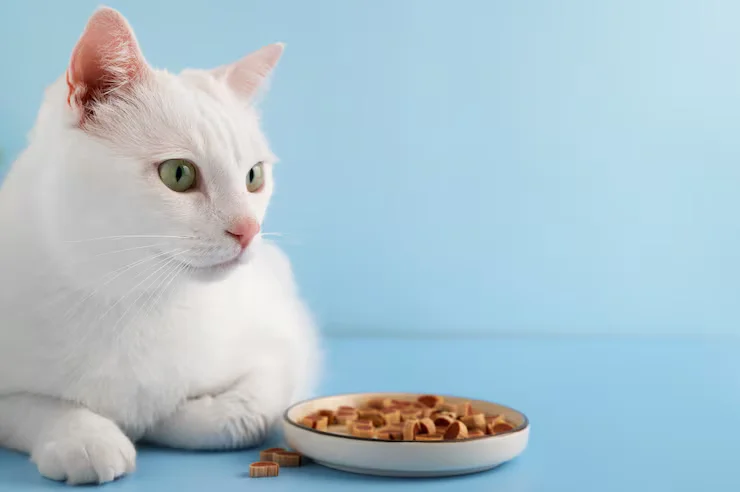
Low-calorie cat nourishments are snacks that are low in futile calories. They are free of overabundant fat and include sugars. These treats are an incredible source of protein and fiber, which makes a distinction in your pet’s feeling of fullness. Low-calorie treats expedite weight pickup and reinforce assimilation. These treats are especially sketched out to deliver imperativeness without extra calories. A low-calorie diet is a secure and practical elective for weight organization, giving both compensation and nutrition.
The Ordinary Treats and low-Calorie Treats
Regular cat treats are popular, but many are high in calories and not ideal when learning how to train cats properly. These treats may contain artificial flavors and colors that can harm long-term health. Low-calorie cat treats are better when focusing on how to train cats in a healthy way. Such treats support portion control and provide energy without adding extra fat. They are gentle on the digestive system and help maintain balance during training sessions. This approach is especially important for overweight cats, as regular treats can lead to weight gain and physical problems. Choosing smart cat treats plays a key role in how to train cats safely and effectively.
Treat of Choice for Overweight cats
- Protein-rich nourishments like chicken, pork, and turkey are best.
- Grain-free treats are great for absorption and health.
- Treats ought to be little in estimate and restricted in quantity.
- Treats ought not to be a substitute for primary meals.
- Daily calorie constraints ought to be taken into account.
Protein-rich Treats
The Part of Protein in Muscles
Protein is fundamental for keeping up muscle mass. When a cat is losing weight, a need for satisfactory protein admissions can debilitate muscles and lower vitality levels. Nourishments wealthy in protein keep muscles solid and strong. Protein gives vitality and bolsters the digestion system. This permits the pet to remain dynamic and appreciate their everyday developments and play exercises. For overweight cats, a satisfactory supply of protein is significant for their overall quality and endurance.
Best Sources of Protein
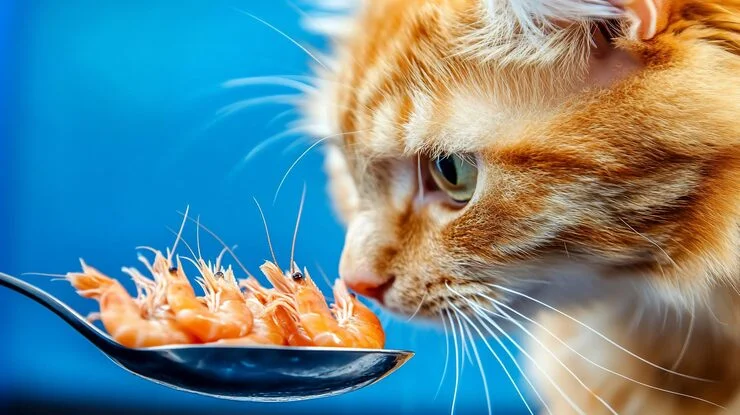
High-protein, low-calorie nourishments should be chosen carefully. Chicken and angel are great sources of protein and are low in pointless fat. Little pieces of turkey and lean hamburger are, moreover, successful protein treats. Grain-free protein choices are so accessible that they are simple on the stomach-related framework and keep pets feeling sound and fulfilled. Shrewd choices of protein-rich nourishments can go a long way in making a difference in overweight cats overseeing their weight.
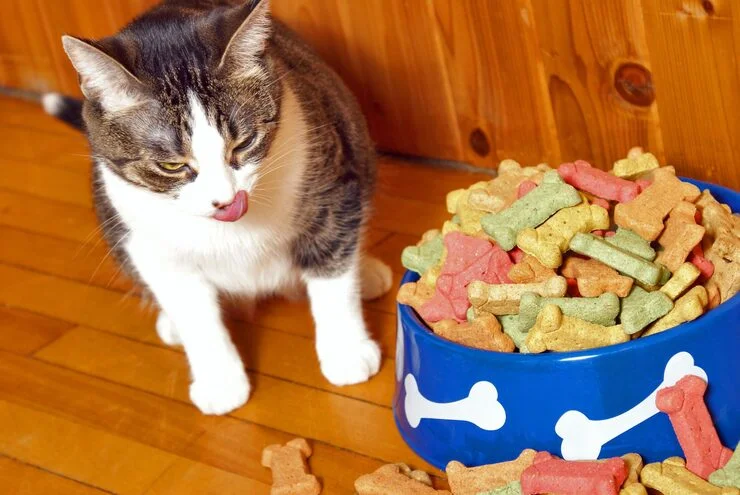
Treatment Parcels and Weight Management
Protein-rich nourishments are basic in a weight administration arrangement. Parcel control of treats is exceptionally vital. The best approach is to bolster overweight cats with little treats all through the day to maintain a strategic distance from calorie over-burden. Treats ought to not be utilized as a substitute for fundamental suppers. You can choose healthy options from low-calorie cat treats to support better weight control. Bolstering little parcels at distinctive times of the day keeps the pet’s digestion system steady and anticipates indulging.
The part of fiber
- Fiber moderates down absorption and makes you feel full.
- Fiber-rich nourishments like pumpkin, carrots, and green vegetables are best.
- Prevents gorging and makes a difference in controlling weight.
- These cures promote bowel development and stomach health.
- Consistent fiber admission is exceptionally critical for overweight cats.
Handcrafted low-Calorie Treats
Homemade cures are too compelling and sound like alternatives. Little pieces of bubbled chicken or steamed angel are simple and nutritious alternatives. Dodge salt and oil totally. Custom-made cures permit you to control the fixings, which is not conceivable with store-bought choices. Custom-made cures can be customized to meet your pet’s dietary needs. For overweight cats, standard low-calorie dinners at home can offer assistance in keeping up their weight and health.
Parcel Control
Controlling the sum of treats is exceptionally critical. Indeed, low-calorie nourishments, if given in overabundance, increment the chance of weight pickup. The measure of each treat ought to be little, and the add-up of everyday admissions ought to be restricted. Utilize treats as compensation, not as a fundamental feast. Keeping up a legitimate adjustment of treats and nourishments is pivotal for long-term weight administration. Proprietors ought to record day-by-day calorie admissions and deliver treats in controlled portions.
Preparing and Treatment
Appropriate utilization of treats amid preparation is useful for overweight cats. Utilize little parcels and, as it were, donate treats as an incidental remuneration. Combining treats with verbal commendation and petting makes a difference with weight control. Shrewd utilization of treats benefits both preparation and weight administration. This approach keeps pets dynamic and anticipates over-the-top calorie admissions. The best technique is to provide overweight cats little, controlled parcels of treats amid preparing sessions.
Senior and Indoor Cats
Indoor cats and senior cats have a more inactive lifestyle and a slower digestive system. Indoor cats are more likely to gain weight due to limited physical activity, while senior cats have lower calorie needs because of slower digestion. When learning how to train cats of different ages, treats should always be chosen carefully. Cat Treats should be low in calories, easy to handle, and simple to chew. Understanding how to train indoor and senior cats also means selecting moisture-rich Cat Treats that support hydration and digestive health. This is especially important due to age and lifestyle factors. Choosing the right Cat Treats makes it easier to know how to train cats in a healthy and safe way.
Dodge Destructive Ingredients
Avoiding harmful ingredients is crucial for weight management when choosing Cat Treats. Sugar, corn, wheat fillers, and artificial colors are unsafe for overweight cats and can cause health issues. High-fat Cat Treats can slow metabolism and lead to unwanted weight gain. Checking the balance of calories, protein, and fat is very important when buying Cat Treats. Clear labels and a short ingredient list help pet owners make better and healthier choices.
Conclusion
Low-calorie cat treats are an excellent and safe option for overweight cats. With proper selection, portion control, and a balanced diet, fewer cat treats help pets stay healthy, active, and fit. Both homemade and store-bought treats can be used. Cat treats should be given responsibly for rewarding good behavior and enjoyment, but they should never replace regular meals.
This approach, combined with a consistent routine, regular exercise, and careful treat management, supports long-term health and happiness. Weight control keeps cats energetic and physically strong. Proper use of low-calorie cat treats improves a pet’s quality of life and helps prevent future health issues such as obesity, joint problems, and diabetes. When treats are chosen wisely and given in moderation, a cat’s vitality, overall health, and longevity can be greatly improved.