My Cat Acts Cute Until This Happens
Your cat is calm, affectionate, and adorable—purring, rubbing against you, and enjoying your attention. Everything feels perfect. Then suddenly, without warning, your cat swats, bites, runs away, or completely changes its behavior.
Many cat owners experience this confusing moment and ask the same question:
Why does my cat act cute… until this happens?
The truth is, cats don’t change moods randomly. What feels sudden to humans is usually the result of subtle signals, overstimulation, or instinctive behavior that builds up over time.
In this article, we’ll explore what that moment really is, why it happens, and how to recognize the signs before your sweet cat turns unpredictable.
🎥 Watch: Why Cats Suddenly Switch From Cute to Crazy
Cats communicate continuously through:
- Body language
- Muscle tension
- Tail movement
- Ear position
Most owners simply miss the early signs.
The Most Common Trigger: Overstimulation
One of the biggest reasons cats suddenly stop being cute is overstimulation.
Cats enjoy affection—but only in controlled amounts. When stimulation exceeds their comfort level, they react defensively.
Signs overstimulation is building:
- Tail flicking
- Ears rotating sideways or flattening
- Skin twitching
- Sudden stillness
The “cute phase” ends when tolerance runs out.
Why Cats Don’t Just Walk Away
Unlike humans, cats don’t always leave when uncomfortable.
Instead, they may:
- Give subtle warnings
- Freeze briefly
- React suddenly
From their perspective, the reaction is communication.
The Role of Instinctive Boundaries
Cats are solitary hunters by nature. Prolonged physical contact isn’t always natural for them.
Even friendly cats:
- Need control
- Need escape options
- Have strict personal boundaries
Crossing those boundaries triggers a defensive response.
Cute Behavior Is Often a State—Not a Promise
When your cat is being affectionate, it doesn’t mean:
- “I want this forever”
- “You can touch me anywhere”
- “I won’t change my mind”
It means:
“This is comfortable right now.”
That state can change quickly.
The Hidden Warning Signs Most People Miss
Before the switch happens, cats usually show signals such as:
- Tail tip twitching
- Tense shoulders
- Pupils widening
- Ears slightly turning back
Ignoring these signals leads to surprise reactions.
Why the Reaction Looks Dramatic
When a cat finally reacts, it may:
- Swat
- Bite
- Jump away suddenly
This isn’t anger—it’s a release of built-up discomfort.
Cats don’t escalate slowly like humans. They tolerate… then act.
Common Situations When This Happens
This behavior often occurs during:
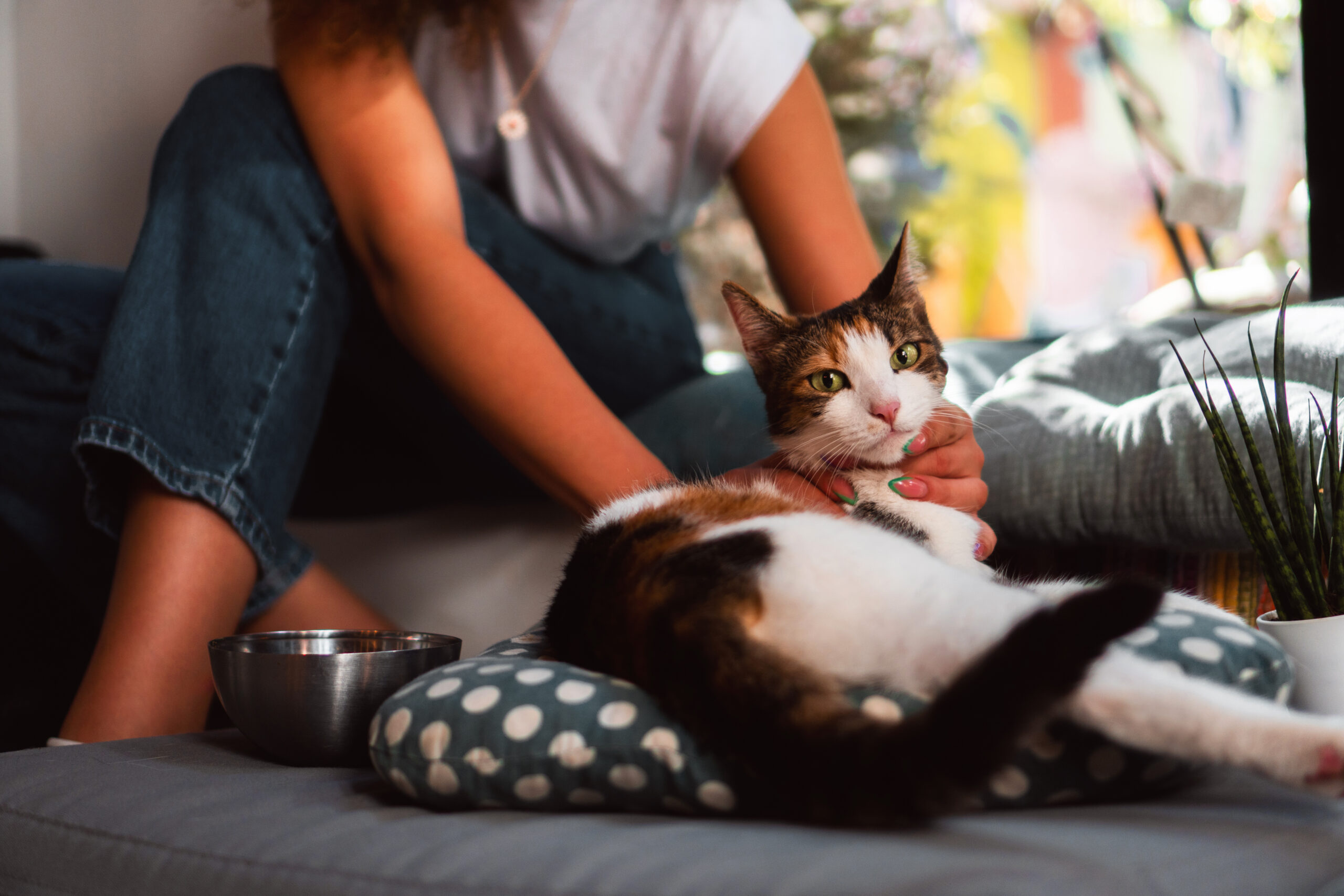
- Petting sessions
- Lap time
- Belly exposure
- Play that turns too intense
These moments combine affection with vulnerability.
Emotional Overload vs. Aggression
It’s important to understand:
- This is not “mean” behavior
- It’s not revenge
- It’s not dominance
It’s emotional overload.
Cats react to regain control—not to hurt you.
Why Some Cats Do This More Than Others
Personality plays a big role.
Cats more prone to sudden switches may be:
- Highly sensitive
- Easily overstimulated
- Less tolerant of prolonged touch
Past experiences also influence tolerance levels.
How Humans Accidentally Make It Worse
Common mistakes include:
- Continuing to pet despite warning signs
- Touching sensitive areas
- Laughing or reacting loudly
- Trying to “teach a lesson”
These actions increase stress and confusion.
How to Prevent the Sudden Switch
Prevention starts with observation.
Helpful habits:
- Keep petting sessions short
- Stop at first warning signs
- Favor head and cheek areas
- Let your cat initiate contact
Ending interaction early builds trust.
What to Do When It Happens
If your cat suddenly reacts:
- Stay calm
- Don’t yell or punish
- Give space immediately
Reacting emotionally escalates stress.
Why Punishment Makes Things Worse
Punishment teaches cats:
- Humans are unpredictable
- Warning signals don’t work
- Defensiveness is necessary
This leads to more sudden reactions in the future.
The Long-Term Effect of Respecting Boundaries
When cats feel their signals are respected, they:
- Give clearer warnings
- Stay affectionate longer
- Trust more deeply
Respect increases stability.
Is This Behavior Normal?
Yes—very normal.
Many healthy, happy cats show this behavior occasionally. It’s part of feline communication, not a flaw.
The goal isn’t to eliminate it—but to understand it.
Final Thoughts
Your cat doesn’t stop being cute because it suddenly changed its mind or personality. It stops because its comfort limit was reached—and the signals went unnoticed.
Cats communicate quietly. When we learn to listen, the “sudden” moments become predictable—and avoidable.
Understanding this behavior doesn’t just prevent scratches or bites.
It deepens trust.
And a cat that feels understood stays cute longer—because it feels safe.