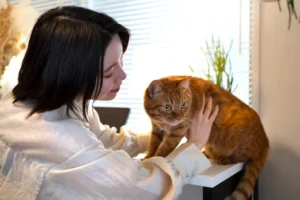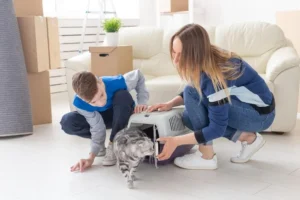

Cats generally prefer staying indoors by nature, but allowing them to explore the outdoors safely can be an exciting and enjoyable experience. Outdoor walks are a great source of mental stimulation and exercise for cats. Strolling strengthens cats’ muscles and improves their coordination. Fresh air and sunlight also enhance mood and support a healthy immune system. Before taking them outside, it is important to follow a few vital Safety Tips. These Safety Tips ensure your cat’s security and comfort and make the outdoor experience stress-free. By keeping these Safety Tips in mind, you can provide a safe and enjoyable adventure for your cat every time.
Using a cat Harness
Proper harnessing is essential for taking your cat outside. Choose a lightweight and flexible harness that fits your cat’s body comfortably. Make sure the harness is not too tight or too loose, as a loose harness can allow your cat to slip out, while a tight one may cause discomfort or breathing problems. Practice adjusting the harness indoors first so your cat becomes comfortable wearing it. Some cats may be hesitant at first, but with patience and positive reinforcement, this fear can be overcome.
Strap Selection Safety Tips
Leash choice also plays an important role in outdoor Safety Tips for cats. Avoid retractable leashes as they increase the risk of sudden movements and escapes. Using quality nylon or lightweight leather leashes is recommended, as they are strong, durable, and allow the owner to maintain control. Proper leash length should give the cat freedom without compromising Safety Tips. The handle grip should be comfortable and slip-resistant to prevent hand strain on long walks. Combining a well-fitted harness with the right leash ensures both controlled freedom and secure movement for your cat, which is an essential part of Safety Tips for safe outdoor adventures.
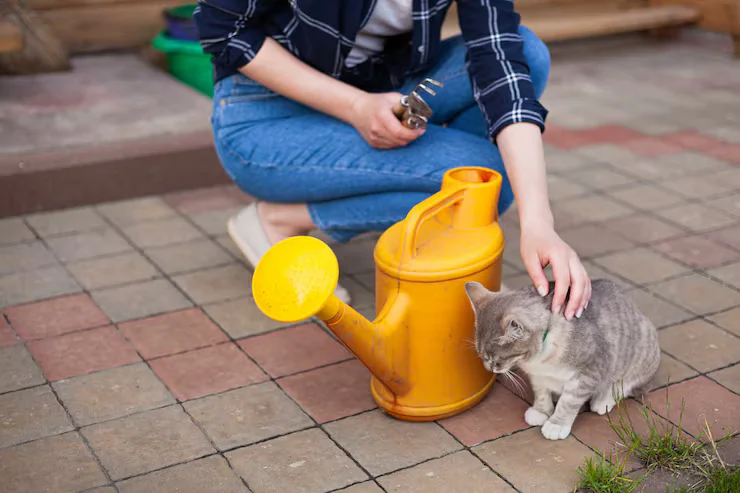
Check the open-air Environment.
Checking the open-air environment is the first and most vital step in keeping your cat secure. Some time recently you go for a walk; make beyond any doubt the region is clear of activity and calm. Select an area that minimizes the hazard of stray pooches and forceful creatures. Review the grass and ways to make it beyond any doubt there are no sharp objects, broken glass, or destructive plants that may pose a threat to your cat. A recognizable and secure environment for cats builds certainty and decreases stress.
Timing and Climate Considerations
It is vital to consider climate conditions when strolling outside. Extraordinary warmth puts cats at risk of drying out and heatstroke, and extraordinary cold can put them at risk of hypothermia. Morning or evening is perfect when temperatures are mellow and daylight is not strong. Blustery and elusive surfaces are hazardous for cats and ought to be kept at a strategic distance from. If your cat has delicate skin, utilizing sunscreen is advantageous.
Training and orders
Learning Fundamental Commands
It is exceptionally vital to instruct your cat on essential preparation and basic commands some time recently before you begin strolling. Commands like “sit,” “down,” and “halt” offer assistance and control and ensure your cat. If your cat gets the commands, she will feel more sure in the open-air environment. Instructing essential commands requires persistence and consistency. Each cat learns at a diverse pace, so rehash the same command in each session but dodge utilizing a cruel tone. It is suggested to begin preparing in a comfortable and secure environment.
Positive Partner use
Using positive fortification and treats amid preparing is compelling. If the cat takes after commands, remunerate it with little treats and laud. This makes the learning experience agreeable for the cat and prevents them from feeling anxious or on edge. In addition to treats, verbal commendation and tender petting are also viable rewards. If the cat is at first reluctant, be additionally understanding and slowly empower it with treats and laud. Positive support makes the cat sure, and the learning prepares it to be stress-free.
Slow and brief Sessions
Gradual training makes the cat confident and obedient, reducing stress during outdoor exploration. Following proper Safety Tips ensures that each training session is short and frequent, avoiding boredom and distractions. Spending too much time in one session can overwhelm the cat, so start with 5 to 10 brief sessions and gradually increase the duration. It is important to give the cat time to rest and relax after each session. Slow introductions and frequent exposure at home help the cat stay calm and responsive. Applying these Safety Tips allows the cat to enjoy the outdoors safely. Remembering basic Safety Tips during every session ensures a secure and stress-free experience for your cat.
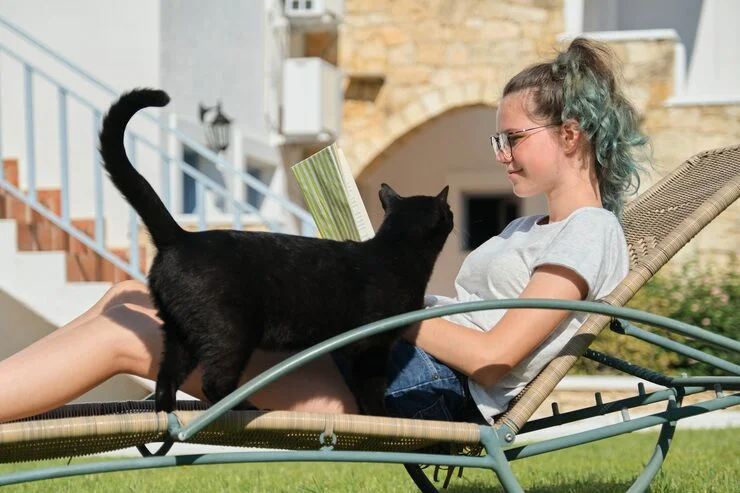
Observation and Monitoring
- It is critical to continuously watch and oversee the cat amid open-air walks.
- Pay consideration to the cat’s body dialect and responses to distinguish push or fear.
- If the cat is eager, frightened, or pushed, halt strolling immediately.
- Never take off a cat unattended, indeed if it is on a leash.
- The owner’s calm and alarmed state of mind makes the cat feel secure and insecure.
Avoid Crowded Places
It is prescribed to dodge swarmed regions for open-air strolls. Uproarious commotions and expansive bunches are upsetting for cats and diminish their certainty. Choosing calm and secure places is exceptionally vital for the cat’s consolation and security. A steadily expanding introduction makes a difference; the cat ended up calm and sure. Commonplace and serene places are the best choices for open-air walks. For more guidance on positive behavior, see this kitten behavior guide.
Health and Inoculation check
It is imperative to check your cat’s health and hygiene before each walk. Following proper Safety Tips ensures your cat stays protected and comfortable during outdoor activities. Make sure vaccinations are up to date and the cat is free from parasites. Insect and tick protection is essential when walking in grassy or wooded areas. Regular vet visits and wellness checks are important Safety Tips to guarantee that outdoor exercises are safe and enjoyable. Avoid outdoor walks if the cat has recently been ill. Healthy cats can reap the full benefits of outdoor walks and are less prone to injuries and infections.
Carry the vital Supplies
It is suggested to carry basics for open-air strolls. Have little nourishment and squander sacks prepared. It is useful to have essentials to begin with, like help supplies, gauzes, and disinfectants in your crisis pack. This planning guarantees a smooth and stress-free involvement for both the cat and the proprietor. These things come in convenient if the walk gets out of the blue and keeps you safe.
Gradual Exposure
If this is your cat’s first time outside, continuous presentation is the best approach. Hone with brief strolls in a recognizable environment. Steadily increment the term and remove it so that the cat feels certain and loose. Sudden long strolls or unused environments can be unpleasant and overpowering for the cat. Continuous presentation makes a difference in the cat feeling comfortable and cheerful while investigating the open-air environment.
Recognize the signs of Stress
It is imperative to watch your cat’s behavior and recognize signs of stress. Tail swaying, slouching, ears back, and stowing away are all signs of push. If these signs show up, halt the walk instantly and give the cat a calm and unwinding environment. Checking stretch is fundamental for the cat’s security and certainty.
Emergency Preparedness
Always be arranged for crises. Have an arrangement in place in case your cat incidentally gets away from the tackle or a risky circumstance emerges. Have adjacent secure areas, transportation choices, and vet contact numbers prepared. Crisis readiness can offer assistance to help you make calm and viable choices in freezing circumstances. An alarm and mindful proprietor are fundamental to your cat’s safety.
Conclusion
Safety Tips: If proper Safety Tips are followed, exploring the outdoors can be fun and exciting for cats. Choosing the right harness and leash, gradual testing, training, and supervision are essential steps to ensure safety. Slow introduction and pressure management make the cat’s experience secure and enjoyable. Outdoor walks improve cats’ mental and physical well-being and strengthen their bonds with their owners. Each cat’s outdoor experience is unique, and it’s important to consistently follow Safety Tips to maintain a safe environment.