Case
Understanding Cat Behavior is essential because cats are among the most cherished pets in the world, yet their behavior often seems mysterious. Sometimes a cat appears extremely affectionate, while at other times its reactions can be completely unexpected. Understanding common cat behavior and cat body language is important because every action carries a hidden message.
When an owner learns to understand these behavior signs, their bond with the cat becomes stronger, and the cat also feels safe and secure in its environment. The purpose of this article is to explain common cat behavior and what it means, helping owners correctly interpret each signal and improve cat communication.
Understanding a cat’s body Language
Every development of a cat is a noiseless message. The tail, legs, ears, and eyes all reflect an eager state. If the cat’s body is free and its eyes are half-open, it is in a calm disposition. If the body is tense and its legs are firm, the cat is cautious. Each point is a noiseless signal.
A cat’s murmurs also uncover feelings. When the murmurs are forward, the cat is inquisitive. When the murmurs are to the sides, the cat is impartial. When the murmurs are to the back, the cat is feeling questionable. Watching body dialect permits the proprietor to get the cat’s enthusiastic designs and react in an opportune manner.
What does a cat’s Mumble tell us?
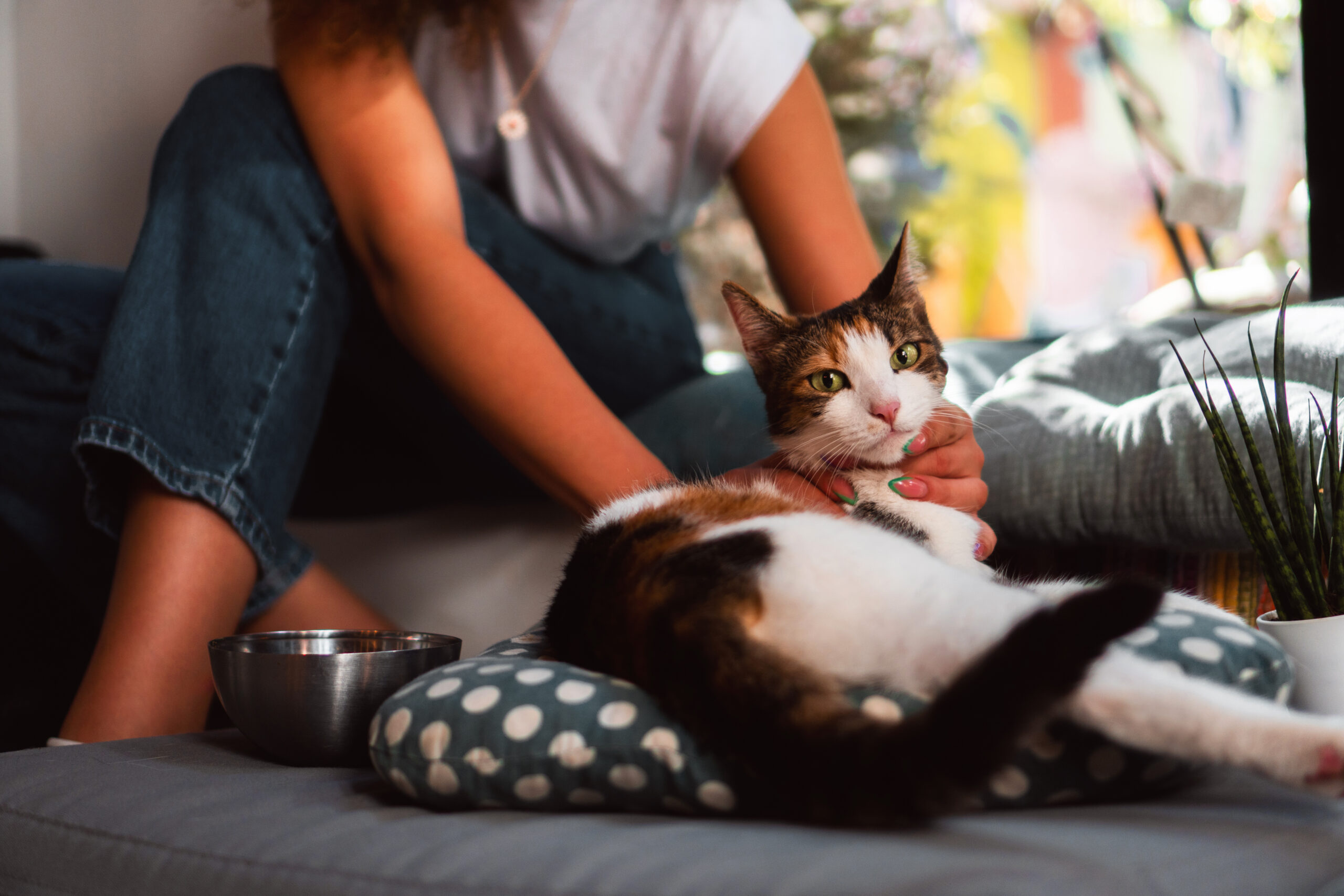
Purring is a calming sound that communicates a cat’s inside assumptions. A cat makes a fragile mumble when it is comfortable and loose. Cats too murmur when they lie down on a delicate cover or look out for a warm spot. A few cats too murmur delicately when they are cuddled up near their owner.
Sometimes cats will murmur when they are pushed, and this can be befuddling. In this circumstance, murmuring is a mending reaction. The cat is attempting to calm its nerves. When the proprietor recognizes this sign, they can give extra consolation to the cat.
Cat meowing and its Meaning
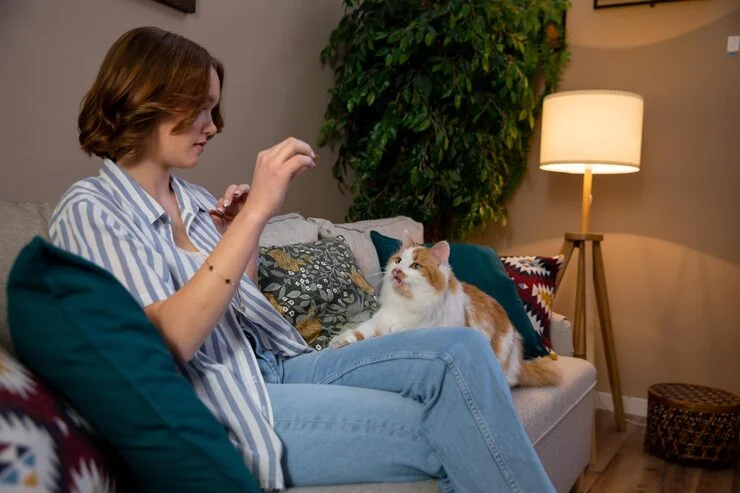
Cat howls are an interesting dialect. Cats, as it were, yowl for people, and each tone speaks to a distinctive requirement. A delicate howl demonstrates love. A boisterous yowl demonstrates direness. A long howl shows a request. Rehashed yowls demonstrate boredom or consideration seeking.
Some cats whimper amid their nighttime schedule, and this is tied to their characteristic plan. If a cat whimpers amid their morning schedule, they may be looking for a nibble or interaction. Meowing is continuously tied to a cat’s identity, and each cat creates their own possessive style.
Cat Ka’s Manipulating Behavior
Manipulating happens when the cat feels secure. If the cat works its owner’s lap, it is a solid sign of trust. Kneading makes a difference; cats make their bedding comfortable. This behavior gives a cat peace of intellect. A few cats also murmur while working, and this is a twofold flag of comfort.
Hyperactivity and Arbitrary Running of cats
Cats in some cases abruptly run at full speed, and proprietors discover this behavior bizarre. This is really a portion of the chasing intuitive. A cat’s characteristic vitality discharge happens day by day, and running underpins this preparation. If a cat is excessively hyper, it needs mental and physical stimulation.
Interactive toys like wand toys, astound feeders, and moving balls channel this vitality. Cats living in indoor situations have restricted openings to discharge their normal instincts, which can lead to sudden escapes.
Cat Scratching Behavior
- Scratching is a normal intuition in cats that keeps their claws healthy.
- A cat scratching your domain makes you feel safe.
- When a cat scratches on furniture, it clears out its fragrance there.
- Scratching posts offer assistance to cats to get utilized in the right place.
- Reward preparation makes a difference in controlling your cat’s undesirable scratching routine.
Cats Covered up Rihanna
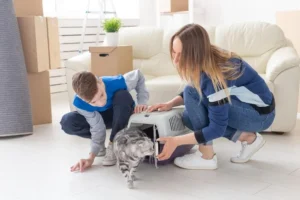
When a cat gets to be dubious about its environment, it looks for out-of-the-way corners and chooses calm places. This is a normal defensive intuition. When a cat moves into a modern home, it may remain in a calm spot for a few days. As it feels secure, its cover-up schedule decreases.
Cat’s tail Movement
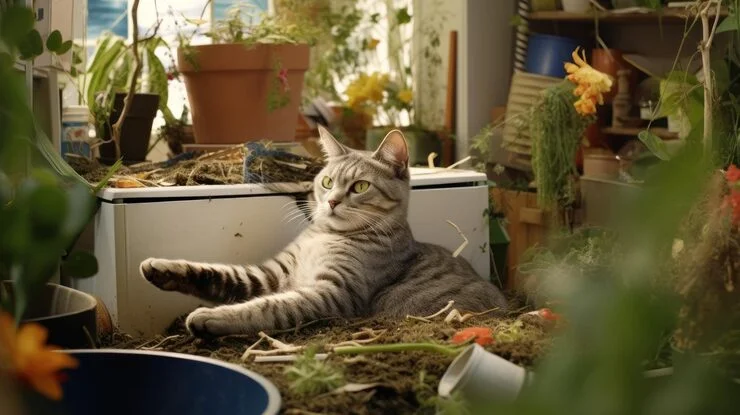
The development of the tail is a reflection of a cat’s disposition. A straight tail shows certainty. A gradually moving tail shows a calm state. A quickly moving tail demonstrates energy. If the tail is close to the ground, the cat feels confident.If the tail is puffed up, the cat is in a state of fear or extended. Tail influencing presently and at that point illustrates exacerbation.Recognizing tail signals gives the proprietor a clear thought of the cat’s enthusiastic zone.
Cat Licking Behavior
understand these behavior to preparing. Cats take after a licking schedule to clean themselves. Licking is comforting for the cat. If a cat licks its proprietor, it is communicating love. If one cat licks another cat, it is displaying social bonding.Sometimes intemperate licking is a sign of push. The cat is attempting to calm its intellect. If preparing abruptly stops, it is a sign of a well-being issue, and the cat needs a checkup.
Paint tall Places to Jump
Cats actually favor statues. Their instincts compel them to roost in a secure spot. When a cat hops onto racks or cabinets, it is utilizing its observational aptitudes. Cats like to screen their environment from tall places.Cat trees, cat racks, and window roosts give secure lifted places for cats. If the cat feels comfortable with the statue, it is a sound sign.
Cat, you are my ace; Take After me
Cats appear companionable when they take after their proprietors all over. The schedule a cat takes after appears connected. Cats watch their owners’ developments and anticipate schedules. This fortifies the cat’s bond. Cats appreciate a calm nearness. Taking after a schedule gives the cat peace of intellect. This behavior highlights the cat’s level of confidence.
Additional behaviors that proprietors ought to understand
Head Bump
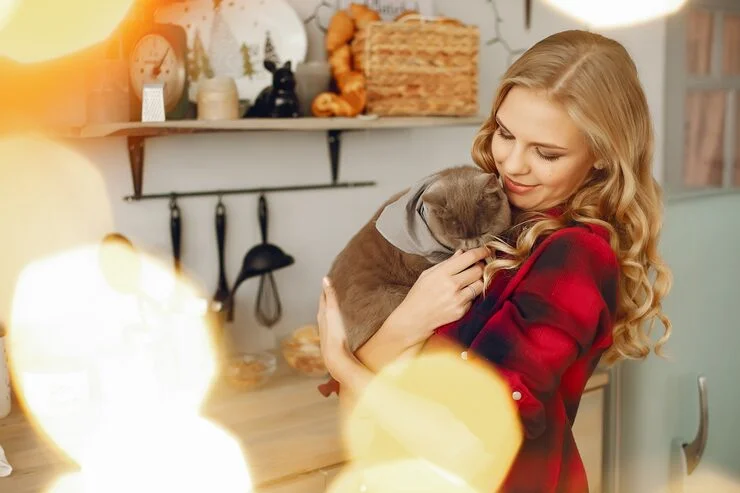
When a cat butts its head, it is a sign of love. The cat is sharing its fragrance and making its proprietor a portion of its family group.
Walking Gradually in front of the Owner
Cats sometimes walk gradually in front of their proprietors, constraining them to alter their strolling speed. This is not a control flag. It is a welcome for the proprietor to follow.
The cat is Sitting on the Luggage
Cats pine for thought when they sit on their owner’s paper cushion or convenient workstation. Cats feel comfortable sitting on things that have their owner’s scent.
Conclusion
Understanding cat behavior in profundity is an ongoing process, and each proprietor learns their cat’s interesting reactions over time. Each cat’s activities are quiet prompts that uncover its sentiments and needs. When the proprietor distinguishes these designs, perplexity is diminished and holding is normally fortified.
Understanding the cat streamlines pet care and provides the cat with a secure environment. Each signal, each sound, and each development is a clear sign of the cat’s inward state. Every day perception gives the proprietor a more profound understanding of the cat’s identity and schedule. As understanding moves forward, the cat’s belief level also increments, and the relationship gets to be more adjusted.