A kitten’s first year is a period of rapid change, learning, and development. From tiny newborn to confident young cat, kittens grow physically, mentally, and emotionally at an incredible pace. Understanding what to expect during each stage helps cat owners provide the right care, environment, and support.
This complete guide walks you through a kitten’s first year, month by month, so you know exactly what’s normal, what to expect, and how to support healthy development.
🎥 Watch: A Kitten’s First Year Explained
The Importance of the First Year
A kitten’s first year lays the foundation for:
- Physical health
- Emotional stability
- Social behavior
- Confidence
Experiences during this time strongly influence how a cat behaves as an adult.
Birth to 2 Weeks: The Neonatal Stage
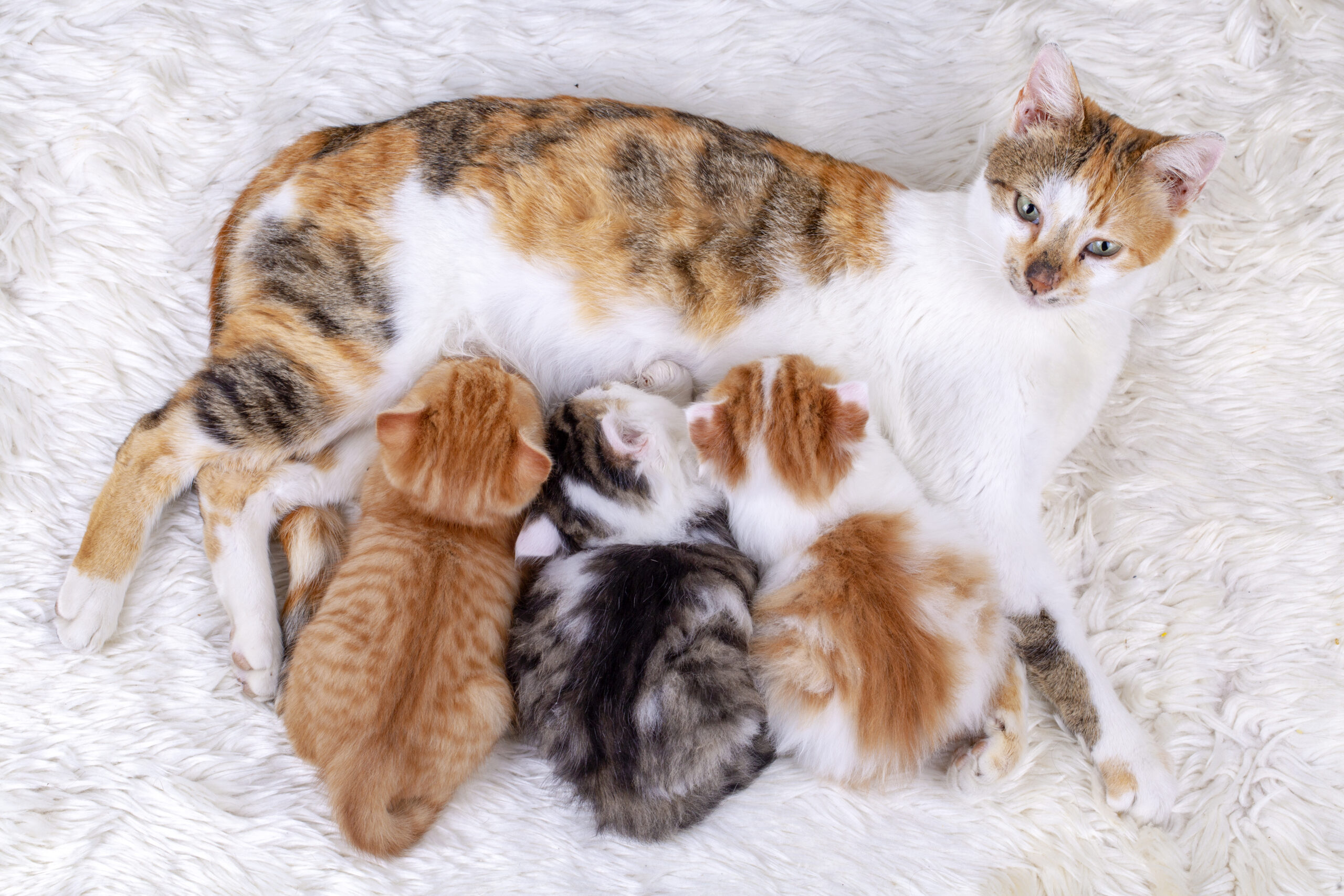
At birth, kittens are completely dependent on their mother.
What to expect:
- Eyes and ears closed
- Limited movement
- Sleeping most of the day
- Relying on warmth and feeding
At this stage, kittens communicate mainly through scent and touch.
2 to 4 Weeks: Early Awareness Begins
Around two weeks old, kittens begin to open their eyes and ears.
Key developments:
- Eyes open gradually
- Sounds become noticeable
- First attempts at standing
- Increased interaction with littermates
This is the beginning of sensory development.
4 to 6 Weeks: Exploring the World
Kittens become noticeably more active and curious.
Common behaviors:
- Walking and wobbling
- Playing with siblings
- Beginning to groom themselves
- Exploring short distances
Social skills start forming during this stage.
6 to 8 Weeks: Social Learning Phase
This is one of the most important stages for emotional development.
What happens:
- Play fighting increases
- Bite inhibition develops
- Social boundaries are learned
- Curiosity peaks
Positive interactions during this time help shape confident adult cats.
8 to 12 Weeks: Growing Independence
Kittens become more coordinated and adventurous.
You may notice:
- Increased confidence
- Strong curiosity
- Learning household routines
- Strong bonding with humans
This is often when kittens are adopted into new homes.
3 to 4 Months: High Energy and Rapid Learning
Kittens are extremely active during this phase.
Expect:
- Intense play sessions
- Testing boundaries
- Exploring higher spaces
- Developing hunting instincts
Mental stimulation is especially important now.
4 to 6 Months: Adolescence Begins
This stage is similar to the “teenage phase.”
Behavior changes include:
- Increased independence
- Occasional stubbornness
- Testing limits
- Bursts of confidence
Patience and consistency help guide behavior.
6 to 9 Months: Physical Maturity Approaches
Kittens begin to resemble adult cats in size and movement.
Common signs:
- Improved coordination
- More controlled play
- Developing adult sleeping patterns
- Increased confidence
Emotional maturity continues to develop.
9 to 12 Months: Transition to Adulthood
By the end of the first year, most cats reach adulthood.
What to expect:
- Stable personality traits
- Reduced kitten-like energy
- Stronger routines
- Clear preferences
While playful moments remain, behavior becomes more predictable.
Emotional Development Throughout the First Year
Emotional growth is just as important as physical growth.
Healthy emotional development includes:
- Curiosity without fear
- Confidence in exploration
- Comfort around humans
- Ability to self-soothe
Early positive experiences shape long-term behavior.
Sleep Patterns During the First Year
Kittens sleep a lot—especially early on.
Sleep patterns evolve from:
- Almost constant sleep as newborns
- Short bursts of activity
- Gradual alignment with household routines
Sleep supports brain and body growth.
Play and Learning Milestones
Play is how kittens learn about the world.
Through play, kittens develop:
- Coordination
- Social skills
- Problem-solving abilities
- Confidence
Interactive play supports healthy development.
Common Behavioral Changes That Are Normal
Many behaviors surprise new owners but are completely normal.
These include:
- Zoomies
- Biting during play
- Climbing everything
- Sudden mood changes
These behaviors usually decrease with maturity.
How to Support Healthy Development
Support your kitten by:
- Maintaining routine
- Offering safe exploration
- Providing enrichment
- Respecting boundaries
Consistency builds confidence.
When Behavior May Need Attention
While most changes are normal, patterns matter.
Pay attention if you notice:
- Extreme withdrawal
- Persistent fear
- Sudden behavior shifts
Observation is key.
The Role of Environment in Development
A stable, enriched environment supports:
- Emotional security
- Healthy curiosity
- Confidence
Environment shapes personality.
Final Thoughts
A kitten’s first year is full of growth, discovery, and transformation. Each stage brings new behaviors, challenges, and milestones that shape who your cat will become.
By understanding what to expect and responding with patience, consistency, and care, you help your kitten grow into a confident, emotionally balanced adult cat.
The first year goes by quickly—but its impact lasts a lifetime.