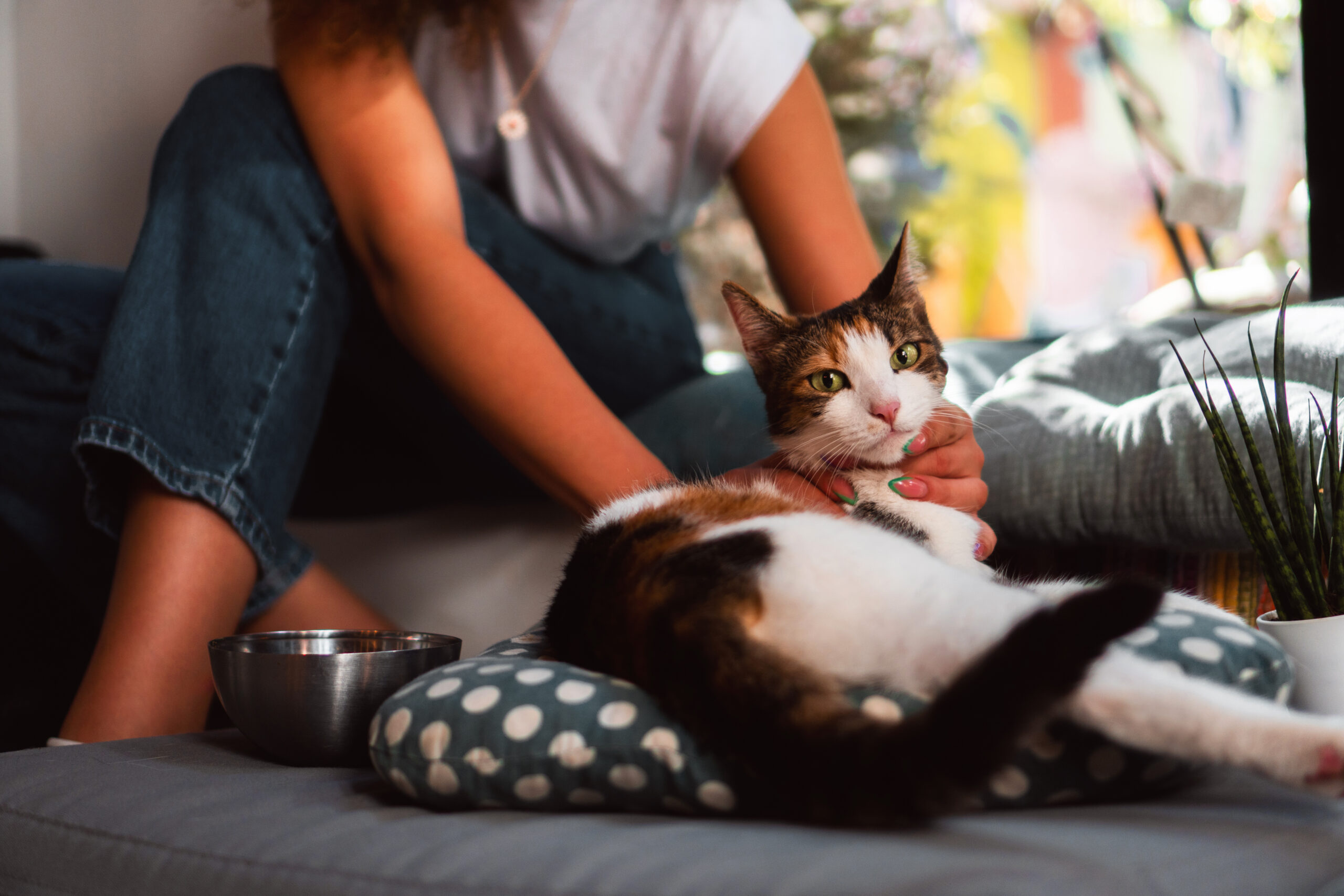
If you’ve ever felt tiny paws pressing rhythmically into your lap, blanket, or bed, you’ve experienced one of the most charming — and sometimes confusing — cat behaviors: kneading. Often called “making biscuits,” kneading is a behavior that fascinates cat owners around the world.
But why do cats knead? Is it a sign of love, comfort, instinct, or something else entirely?
In this article, we’ll explore why cats knead, what it means emotionally and biologically, when it’s normal, and when it may signal something you should pay attention to.
What Is Kneading?
Kneading is the repetitive motion of a cat pushing its front paws in and out against a soft surface. Cats may knead:
- Blankets
- Pillows
- Your lap
- Other pets
- Even the air
Some cats knead while purring, drooling, or appearing deeply relaxed.

- 【Cordless & Wireless Design, Perfect for Indoor and Outdoor Use】 Free your pet’s drinking experience from the constraint…
- 【Specially Designed Dog Water Fountain for Large Dogs with 3 Customizable Flow Modes】 This cordless pet water fountain i…
- 【Flowing Water Design for Better Hydration】 Mimicking the appeal of natural running water, this dog fountain water bowl …
The Origins of Kneading: Where It All Begins
Kitten Instincts
Kneading begins in kittenhood. Newborn kittens knead their mother’s belly to stimulate milk flow while nursing. This instinct is deeply ingrained and associated with:
- Comfort
- Safety
- Nourishment
Many cats carry this behavior into adulthood as a self-soothing action.
Emotional Reasons Why Cats Knead
1. A Sign of Comfort and Security
Adult cats knead when they feel safe and relaxed. It’s often a sign that your cat:
- Feels protected
- Is emotionally content
- Trusts their environment
If your cat kneads you, it usually means you are part of their “safe space.”
2. Expression of Affection
Kneading is often accompanied by purring, slow blinking, or relaxed body language — all signs of affection. Cats don’t express love the same way humans do, but kneading is one of their strongest emotional signals.
3. Stress Relief and Self-Soothing
Just like humans fidget or hug pillows, cats knead to calm themselves. Cats may knead more:
- During changes in routine
- In unfamiliar environments
- After stressful events
Kneading helps regulate emotions and restore balance.

- Unmatched Cordless Convenience: Enjoy up to a full month of operation on a single charge. Place the Dockstream 2 cat wat…
- Advanced Hydration Tracking: Monitor your pet’s drinking habits with unparalleled accuracy thanks to our wireless cat wa…
- Effortless Maintenance: Our automatic cat water dispensers is equipped with a large 3-liter, detachable tank to minimize…
Instinctive and Biological Reasons for Kneading
4. Marking Territory
Cats have scent glands in their paw pads. When they knead, they release scent markers that signal ownership and familiarity.
By kneading, cats are essentially saying:
“This place is safe. This belongs to me.”
This behavior helps cats feel emotionally secure.
5. Preparing a Resting Spot
In the wild, cats knead grass or leaves to create a comfortable sleeping area. Indoor cats retain this instinct and knead blankets, beds, or laps before settling down.
It’s a natural preparation behavior tied to survival.
6. Muscle Stretching and Physical Comfort
Kneading stretches the muscles in a cat’s:
- Paws
- Legs
- Shoulders
This improves circulation and flexibility, especially after resting or sleeping.
Why Some Cats Knead More Than Others
Not all cats knead equally. Factors that influence kneading include:
- Early weaning
- Personality
- Emotional sensitivity
- Environment
Cats that were separated early from their mothers may knead more frequently as adults.
Why Do Cats Knead and Bite or Suckle?
Some cats knead while gently biting or sucking on fabric. This behavior is usually linked to:
- Strong kitten instincts
- Comfort-seeking
- Emotional attachment
As long as it’s not obsessive or harmful, this behavior is generally harmless.
Is Kneading Always a Good Sign?
In most cases, yes — kneading is normal and healthy. However, excessive kneading combined with:
- Anxiety
- Over-grooming
- Aggression
may signal emotional stress and should be evaluated.
Why Kneading Sometimes Hurts (And What to Do)
Sharp claws can make kneading uncomfortable. Instead of discouraging the behavior:
- Place a thick blanket between you and your cat
- Keep nails trimmed
- Avoid pushing your cat away abruptly
Never punish kneading — it can damage trust.
Should You Encourage or Discourage Kneading?
You should allow kneading, but manage it gently. Kneading is a natural behavior that supports:
- Emotional health
- Bonding
- Stress reduction
Discouraging it completely may increase anxiety.
How Kneading Strengthens the Human–Cat Bond
When a cat kneads you, they’re engaging in a deeply vulnerable behavior. It’s a sign of:
- Trust
- Emotional attachment
- Comfort
In your cat’s world, kneading you is similar to saying:
“I feel safe with you.”
How to Support Healthy Kneading Behavior
- Provide soft blankets or beds
- Maintain calm routines
- Avoid sudden disruptions
- Offer affection on your cat’s terms
A comfortable environment encourages healthy emotional expression.
Related Reading
- Best Toys for Indoor Cats (Mental & Physical Stimulation)
- Why Do Cats Scratch Furniture? Causes and Simple Solutions
- How to Take Care of an Indoor Cat (Complete Beginner’s Guide)
- Why Cats Meow So Much: What Excessive Meowing Really Means
- Why Cats Purr: The Hidden Meanings Behind This Mysterious Sound
Call To Action: Learn What Your Cat Is Telling You
Kneading may look simple, but it’s packed with emotional meaning. Understanding this behavior helps you respond with empathy and care.
🎥 Watch the video above to see real examples of why cats knead and what their body language reveals.
👉 Explore our in-depth cat behavior guides to better understand your cat’s emotions and instincts.
🔗 Discover more expert cat content at:
https://catzy.org/
Product Recommendation Note
The products listed below are carefully selected from Amazon to provide soft, comfortable surfaces that support kneading, relaxation, and emotional comfort for cats.
They are trusted by cat owners, highly rated, and designed to make your cat feel safe and relaxed.
Choosing the right comfort products can enhance your cat’s emotional well-being and strengthen your bond.

- Track Two Dogs Simultaneously:This 2-Pack GPS Dog Tracker Set is designed for households with two dogs. It includes two …
- Simple And Intuitive To Use:It’s extremely easy to use and very senior-friendly — simply follow the green arrow on the c…
- Compact, Waterproof & Pet-Friendly: Weighing only 1.08oz, fits most collars. Battery Life: With just 2-3 hours of chargi…