Some cats are naturally quiet, while others seem to have something to say all the time. If your cat meows constantly — during the day, at night, or whenever you move — you may start to wonder whether something is wrong.
Excessive meowing is one of the most common concerns cat owners have. While meowing is a normal form of communication, frequent or nonstop vocalization usually has a clear reason behind it.
In this article, we’ll explore why cats meow so much, what your cat may be trying to tell you, and how to respond in a healthy, effective way.
Why Do Cats Meow at All?
Cats rarely meow to communicate with other cats. Meowing is primarily a human-directed behavior that cats develop to interact with us.
Through experience, cats learn that vocalizing:
- Gets attention
- Produces food
- Triggers interaction
- Leads to desired outcomes
In other words, cats meow because it works.
When Is Meowing Considered “Too Much”?
Excessive meowing isn’t defined by volume alone — it’s about change and context.
You should pay attention if your cat:
- Meows more than usual
- Meows at unusual times
- Sounds distressed or urgent
- Shows behavioral changes alongside meowing
Sudden increases are especially important to notice.
Common Reasons Why Cats Meow So Much
1. Attention-Seeking Behavior
The most common cause of frequent meowing is simple: your cat wants attention.
Cats may meow because they want:
- Interaction
- Play
- Affection
- Company
Even negative attention (talking, scolding, eye contact) can reinforce the behavior.
2. Hunger or Food Obsession
Cats quickly associate meowing with feeding. If your cat meows around:
- Meal times
- The kitchen
- Early mornings
they may be reminding — or demanding — food.
Inconsistent feeding schedules often make this worse.
3. Boredom and Lack of Stimulation
Understimulated cats often vocalize out of frustration. Indoor cats are especially prone to boredom-related meowing.
Signs include:
- Meowing while pacing
- Knocking things over
- Following you and vocalizing
Mental and physical enrichment reduces this dramatically.
4. Stress, Anxiety, or Environmental Changes
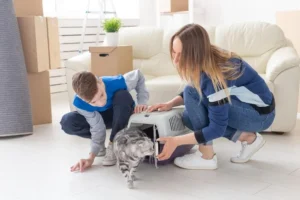
Cats are sensitive to change. Excessive meowing may appear after:
- Moving homes
- New pets or people
- Schedule disruptions
- Loud or chaotic environments
Meowing becomes a coping mechanism for emotional discomfort.
5. Loneliness or Separation Anxiety
Highly bonded cats may vocalize when they feel alone or disconnected, especially when:
- You leave the room
- You return home
- The house is quiet
This type of meowing is often persistent and emotionally driven.
6. Medical Issues or Pain
Cats sometimes meow more because they feel unwell. Medical-related vocalization may accompany:
- Weight loss
- Appetite changes
- Litter box issues
- Restlessness
Conditions such as hyperthyroidism, pain, or cognitive decline can increase vocal behavior.
Always rule out medical causes first.
7. Aging and Cognitive Changes
Senior cats may meow excessively due to confusion, especially at night. This can include:
- Yowling
- Disoriented pacing
- Vocalizing in empty rooms
These changes are not behavioral problems — they are age-related.
8. Hormonal Behavior
Unspayed or unneutered cats often meow excessively due to mating instincts. This vocalization is usually loud, repetitive, and difficult to ignore.
Spaying or neutering often significantly reduces this behavior.
9. Learned Behavior from Reinforcement
If your cat learned early that meowing leads to rewards, the habit may become ingrained.
For example:
- Meowing → food
- Meowing → attention
- Meowing → door opens
Cats repeat behaviors that succeed.
10. Breed and Personality Differences
Some cat breeds are naturally more vocal than others. Individual personality also plays a major role.
A vocal cat isn’t necessarily unhappy — but excessive vocalization still deserves attention.
How to Tell What Your Cat’s Meowing Means
Pay attention to:
- Timing
- Pitch and tone
- Body language
- Triggers
A relaxed cat meowing for attention sounds very different from a distressed cat vocalizing out of discomfort.
Should You Ignore Excessive Meowing?
Sometimes — but not always.
Ignoring works best when:
- Meowing is attention-seeking
- Needs are already met
Ignoring does not work when:
- Your cat is sick
- Your cat is stressed or confused
- The meowing is new or intense
Context matters.
How to Reduce Excessive Meowing (Healthy Solutions)
Increase Daily Play and Mental Stimulation
Interactive play reduces boredom and frustration. A tired cat is usually a quieter cat.
Aim for:
- 2–3 play sessions daily
- Puzzle toys
- Rotating enrichment
Establish a Predictable Routine
Cats feel secure with routine. Feed, play, and interact at consistent times.
Routine reduces anxiety-driven vocalization.
Don’t Reward Meowing Directly
Avoid feeding, petting, or responding immediately after meowing. Reward calm behavior instead.
Provide Environmental Enrichment
Window perches, vertical spaces, and safe hiding areas help reduce stress-related meowing.
Address Medical or Age-Related Issues
If vocalization is sudden, loud, or accompanied by other symptoms, consult a veterinarian.
When Excessive Meowing Is Normal
Some cats are simply talkative. If your cat:
- Eats well
- Plays normally
- Uses the litter box consistently
then frequent meowing may just be part of their personality.
Related Reading
- Best Toys for Indoor Cats (Mental & Physical Stimulation)
- Why Do Cats Scratch Furniture? Causes and Simple Solutions
- How to Take Care of an Indoor Cat (Complete Beginner’s Guide)
- Why Cats Meow So Much: What Excessive Meowing Really Means
- Why Cats Purr: The Hidden Meanings Behind This Mysterious Sound
Call To Action: Learn to Listen, Not Just Hear
Excessive meowing isn’t bad behavior — it’s communication. The key is understanding why your cat is talking so much.
🎥 Watch the video above to hear different types of cat meows and what they mean.
👉 Explore our in-depth cat behavior guides to respond to your cat’s needs calmly and effectively.
🔗 Discover more expert cat content at:
https://catzy.org/
Product Recommendation Note
The products listed below are carefully selected from Amazon to support mental stimulation, stress reduction, and daily enrichment for cats.
They are trusted by cat owners, highly rated, and designed to help reduce boredom and anxiety-related vocalization.
Choosing the right enrichment products can significantly reduce excessive meowing and improve your cat’s quality of life.

- Self-Cleaning Front-Entry Litter Box: Experience the convenience of an automatic self-cleaning litter box with the PetSa…
- Odor Free & Hygienic: Crystal litter absorbs liquid and dehydrates solid waste, while leak-proof disposable trays and lo…
- Track Your Cat’s Health: An integrated health counter monitors your cat’s litter box usage, allowing you to note any irr…