Few sounds are as comforting as a cat’s purr. That soft, rhythmic vibration instantly creates a feeling of calm and connection. For many cat owners, purring is seen as a universal sign of happiness. But the truth is far more complex.
Cats purr for many different reasons — some positive, some emotional, and even some related to pain or healing. Understanding why cats purr gives you deeper insight into your cat’s physical and emotional state.
In this article, we’ll explore why cats purr, how purring works, and what your cat may really be communicating.

- Inner fabric: soft flannel Outer fabric: waterproof and strong oxford cloth
- Length: 47.2 inch/120 cm Diameters: 9.8 inch/ 25 cm
- Interconnectable tunnels for extended fun – Equipped with linking buttons to connect multiple tunnels, creating a longer…
What Is Purring?
Purring is a continuous, low-frequency sound produced by rapid muscle movements in a cat’s larynx (voice box). These muscles vibrate as the cat breathes in and out, creating the familiar humming sound.
Interestingly, cats can purr both when inhaling and exhaling — something most animals cannot do.
The Most Common Reasons Cats Purr
1. Contentment and Relaxation
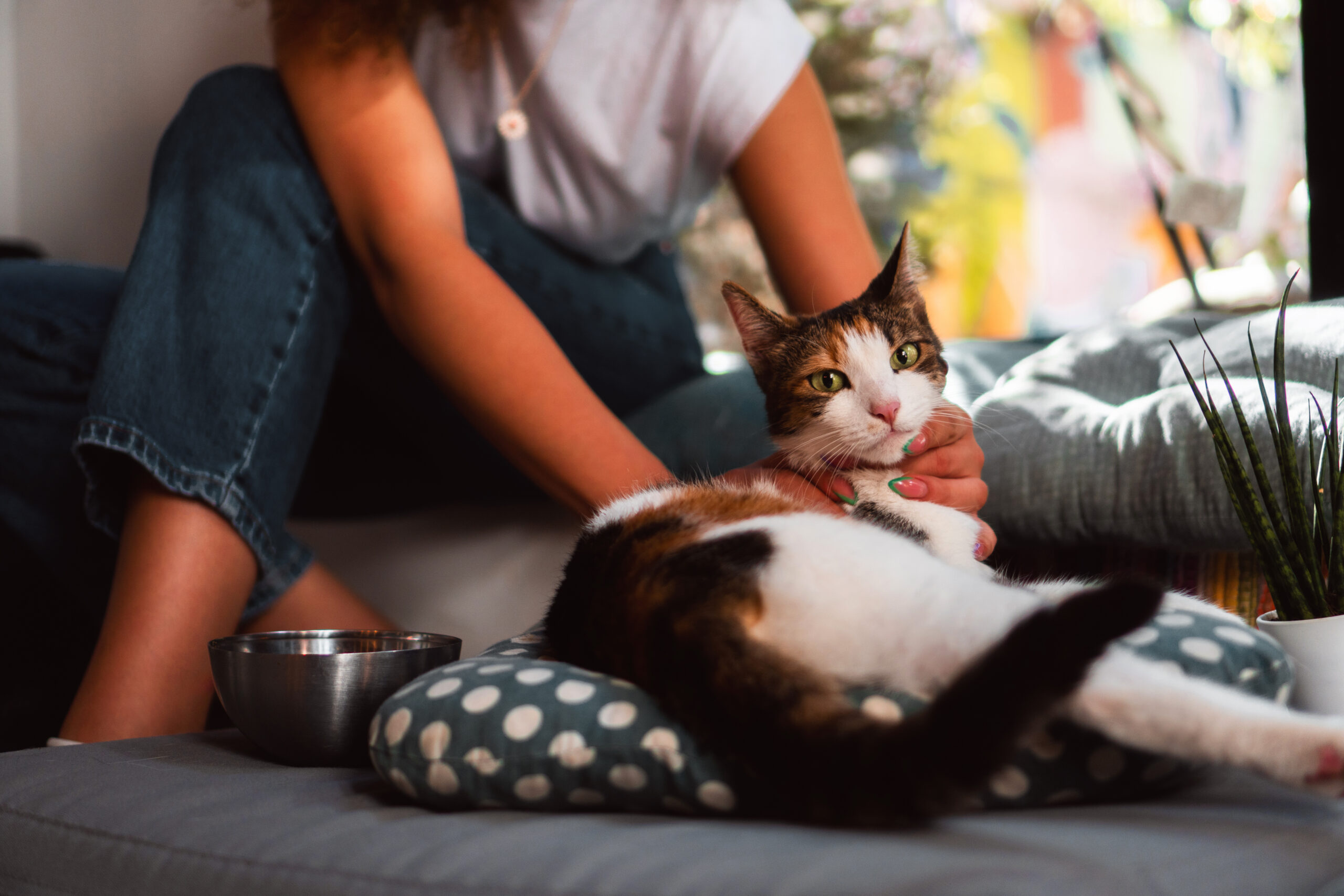
The most well-known reason cats purr is happiness. Cats often purr when they:
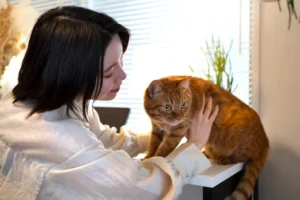
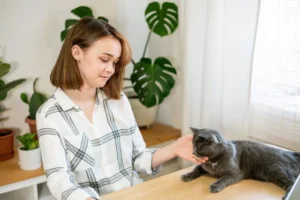
- Are being petted
- Feel safe and comfortable
- Rest in a favorite spot
- Sit near someone they trust
This type of purring is usually paired with relaxed body language, slow blinking, and a loose posture.

- Great Choice for Adventure: This nice long cat tunnel comes in 11.8” tall that provide spacious room for adult cats, kit…
- Collapsible Straight Shape: Designed shape makes the playing and running more challengeable and interesting. Your cats c…
- Extra Entertainment: The play tunnel equipped hanging balls at the both entrance add more way to have fun that brings ho…
2. A Sign of Trust and Bonding
Cats frequently purr around people they trust. Kittens purr while nursing, and adult cats continue this behavior as a bonding signal.
When your cat purrs while sitting on you, it often means:
- They feel secure
- They trust you completely
- They consider you part of their family
3. Communication with Kittens
Mother cats purr to communicate with their kittens. The vibration helps newborn kittens locate their mother and feel calm and safe.
Kittens also purr back, creating an early emotional connection that carries into adulthood.
Purring as a Self-Healing Mechanism
4. Healing and Pain Relief
One of the most fascinating aspects of purring is its potential healing power. Cat purrs typically vibrate between 25 and 150 Hz, a frequency range shown to:
- Promote bone healing
- Support muscle repair
- Reduce pain and inflammation
Cats may purr when injured, sick, or recovering — not because they feel happy, but because purring helps their bodies heal.
5. Stress Reduction and Emotional Regulation
Cats also purr to calm themselves during stressful situations, such as:
- Vet visits
- Travel
- Loud environments
- After conflict
In these cases, purring acts as a self-soothing mechanism that helps restore emotional balance.
When Purring Doesn’t Mean Happiness
6. Purring During Illness or Discomfort
A cat that purrs while hiding, eating less, or acting lethargic may be trying to cope with discomfort. This type of purring is often softer and more continuous.
Always look at the whole picture — body language, appetite, and behavior — not purring alone.
7. Purring as a Request or Signal
Some cats use purring to communicate needs. A special type called “solicitation purring” combines purring with subtle vocal cues to get attention or food.
Many owners unknowingly respond to this sound faster than to normal meowing.

- Great Choice for Adventure: this nice long cat tunnel comes in 46” in length and 10.5 ” tall that provide spacious room …
- A Wonderful Hiding Spot: Faux Fur material looks fabulous and more durable. It has 2 built in peep holes allow them to s…
- Extra Bonus of Fun: The play tunnel equipped hanging ball at the entrance add more way to have fun that brings hours and…
Do All Cats Purr?
Most domestic cats purr, but not all cats purr loudly or frequently. Factors that influence purring include:
- Personality
- Breed
- Early experiences
- Emotional sensitivity
Some happy cats purr quietly, while others are very vocal.
Why Some Cats Purr More Than Others
Cats that purr frequently are often:
- Highly bonded to humans
- Emotionally expressive
- More sensitive to their environment
Early socialization also plays a role in how often a cat purrs.
How to Tell What Your Cat’s Purr Means
To understand the meaning behind purring, observe:
- Body posture
- Ear position
- Tail movement
- Eye contact
- Overall behavior
A relaxed cat purring on your lap is very different from a tense cat purring while hiding.
Should You Encourage Purring?
Yes — but naturally. Encourage purring by:
- Creating a calm environment
- Offering affection on your cat’s terms
- Maintaining predictable routines
Never force interaction just to hear your cat purr.
How Purring Strengthens the Human–Cat Bond
Purring creates a feedback loop of calmness. It:
- Lowers stress for humans
- Encourages bonding
- Builds emotional trust
This is why cats often seek out people when they need comfort — and why humans find purring so soothing.
When to Be Concerned About Purring
If purring is accompanied by:
- Loss of appetite
- Hiding
- Weight loss
- Lethargy
it may be time to consult a veterinarian. Purring alone is not a diagnosis.
Related Reading
- Best Toys for Indoor Cats (Mental & Physical Stimulation)
- Why Do Cats Scratch Furniture? Causes and Simple Solutions
- How to Take Care of an Indoor Cat (Complete Beginner’s Guide)
- Why Cats Meow So Much: What Excessive Meowing Really Means
- Why Cats Purr: The Hidden Meanings Behind This Mysterious Sound
Call To Action: Listen Beyond the Purr
Your cat’s purr is more than a sound — it’s a message. Understanding when and why your cat purrs helps you respond with care, empathy, and attention.
🎥 Watch the video above to hear different types of cat purrs and learn what they mean.
👉 Explore our cat behavior guides to better understand your cat’s emotional world.
🔗 Discover more expert cat content at:
https://catzy.org/
Product Recommendation Note
The products listed below are carefully selected from Amazon to support comfort, relaxation, and emotional well-being for cats.
They are trusted by cat owners, highly rated, and designed to help create calm, stress-free environments where cats feel safe and content.
Choosing the right comfort products can enhance relaxation and strengthen the bond between you and your cat.
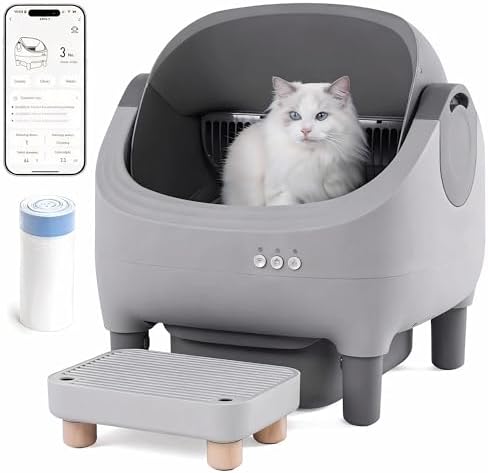
- Open-space design: Completely eliminates the oppressive feeling of enclosed spaces, giving cats a panoramic view and amp…
- Long-lasting cleanliness, say goodbye to daily maintenance: Equipped with an 11-liter extra-large integrated cat litter …
- Digital Health Care: Equipped with high-precision sensors, it automatically records and syncs data to the app, allowing …