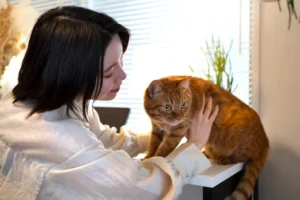
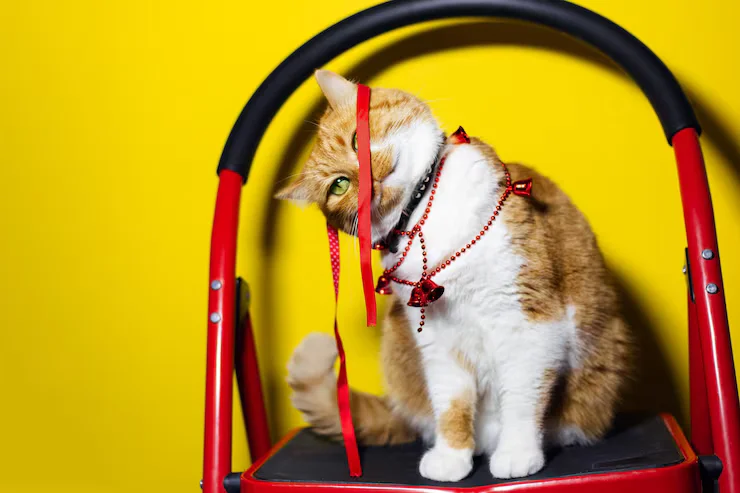
Cats are often described as mysterious, unpredictable, and downright weird. One moment they are calm and affectionate, and the next they are racing through the house, staring at empty walls, or knocking objects off tables. For many cat owners, these behaviors can be confusing or even concerning.
So why do cats act so weird? The answer lies in their instincts, senses, communication style, and emotional world. What seems strange to humans often makes perfect sense to cats.
🎥 Watch: Why Cats Act So Weird
Cats Experience the World Differently Than Humans
Cats have highly developed senses that allow them to perceive the world in ways humans cannot. Their hearing, vision, and sense of smell are far more sensitive.
This means cats may react to:
- Sounds you cannot hear
- Movements you cannot see
- Scents you do not notice
When a cat suddenly stares at nothing or reacts to empty space, it’s often responding to sensory input beyond human perception.
Instincts Still Drive Modern Cats
Even though cats live comfortably indoors, their instincts remain unchanged. Cats are natural hunters, explorers, and survivors.
These instincts explain behaviors such as:
- Chasing invisible prey
- Pouncing on moving objects
- Hiding in small or elevated spaces
What looks odd is often a leftover survival behavior.
Cats Communicate in Subtle Ways
Unlike dogs, cats use subtle body language rather than obvious signals. Tail movements, ear positions, and eye behavior all carry meaning.
Misunderstanding these signals can make normal communication appear strange. For example:
- Tail flicking can signal irritation
- Slow blinking indicates trust
- Sudden biting may mean overstimulation
Cats are not being weird—they are communicating in their own language.
Sudden Bursts of Energy (The Zoomies)
One of the most common “weird” behaviors is sudden high-speed running around the house. These energy bursts often happen in the evening.
Zoomies occur because:
- Cats are naturally crepuscular (active at dawn and dusk)
- Energy has built up during rest
- Play and stimulation are lacking
This behavior is normal and healthy.
Boredom Can Make Cats Act Strange
Indoor cats, in particular, may act weird due to boredom. Without enough mental and physical stimulation, cats invent their own entertainment.
Signs of boredom include:
- Knocking objects over
- Excessive meowing
- Random running
- Attention-seeking behavior
Enrichment activities often reduce these behaviors.
Cats Value Control and Predictability
Cats feel safest when they have control over their environment. Sudden changes can make them act cautious or reactive.
Changes that may trigger odd behavior include:
- Rearranging furniture
- New smells or visitors
- Schedule changes
Cats may hide, act distant, or behave unusually until they feel secure again.
Emotional Sensitivity in Cats
Cats are emotionally sensitive animals. Stress, anxiety, or overstimulation can cause behaviors that seem strange.
Emotional triggers include:
- Loud noises
- Forced interaction
- Lack of routine
- Overcrowded environments
Understanding emotional needs reduces unwanted behavior.
Why Cats Do Things That Seem “Pointless”
Cats often repeat behaviors simply because they find them interesting. Knocking items over, sitting in boxes, or watching shadows provides mental stimulation.
These actions help cats:
- Explore cause and effect
- Relieve boredom
- Maintain curiosity
Curiosity is a key part of feline intelligence.
Cats Are Independent Thinkers
Cats don’t behave to please humans. They make decisions based on comfort, curiosity, and instinct—not obedience.
This independence can look like stubbornness or weirdness, but it’s part of their nature.
When Weird Behavior Is Completely Normal
Many strange behaviors are actually signs of a healthy, confident cat.
Normal behaviors include:
- Talking to themselves
- Sleeping in odd positions
- Choosing unusual resting spots
- Random bursts of play
These behaviors usually indicate comfort and confidence.
When to Pay Attention
While most weird behaviors are harmless, sudden or extreme changes should not be ignored.
Watch for:
- Sudden aggression
- Withdrawal or hiding
- Changes in eating habits
- Litter box avoidance
Behavior changes often signal discomfort or stress.
How to Respond to Your Cat’s Weirdness
Instead of correcting behavior, observe and understand it.
Helpful responses include:
- Providing daily playtime
- Offering mental enrichment
- Maintaining routine
- Respecting boundaries
A calm response builds trust.
Final Thoughts
Cats don’t act weird without reason. Their behavior is shaped by instincts, senses, emotions, and intelligence. What seems strange to humans is often logical and meaningful from a cat’s perspective.
By understanding why cats act the way they do, you can build a stronger bond, reduce frustration, and appreciate the fascinating complexity of your feline companion.
Cats may be weird—but that’s exactly what makes them special.