A cat’s purr is one of the most comforting sounds in the world. Many people assume that when a cat purrs, it means happiness. While that can be true, the real meaning behind purring is far more complex—and sometimes surprising.
Cats purr for many different reasons, and not all of them are positive. In this article, we uncover the shocking truth about why cats purr, what different types of purrs really mean, and how to understand what your cat is trying to communicate.
🎥 Watch: What Your Cat’s Purr Is Really Saying
The Common Myth: Purring Always Means Happiness
Most people believe cats purr only when they are happy. While happiness is one reason, it’s far from the only one.
Cats also purr when they are:
- Anxious
- In pain
- Seeking comfort
- Communicating needs
Purring is a complex form of communication—not just a sign of pleasure.
How Do Cats Actually Purr?
Scientists believe purring is produced by rhythmic signals in the brain that control muscles in the larynx (voice box). These muscles rapidly open and close during breathing, creating the familiar vibration.
What’s fascinating is that cats can purr while:
- Inhaling
- Exhaling
This makes purring unique among animal sounds.
The Healing Frequency of Purring (Yes, Really)
One of the most shocking discoveries about purring is its frequency.
Cat purrs typically fall between 25 and 150 Hertz, a range known to:
- Promote tissue healing
- Strengthen bones
- Reduce pain
- Lower stress
This may explain why cats purr when injured or stressed—they may be self-soothing or self-healing.
Different Types of Purrs and What They Mean
Not all purrs sound or feel the same. Paying attention to context and body language helps decode the message.
1. The Content and Relaxed Purr
This is the classic purr most owners recognize.
Common signs:
- Relaxed body
- Half-closed eyes
- Slow blinking
Meaning:
Your cat feels safe, comfortable, and content.
2. The Comfort-Seeking Purr
Cats sometimes purr when they feel insecure or anxious.
You may notice:
- Purring while hiding
- Purring during stressful situations
- Purring when being comforted
Meaning:
Your cat is using purring to calm itself or seek reassurance.
3. The Pain or Distress Purr
One of the most surprising facts: cats may purr when they are in pain.
Clues include:
- Purring with tense posture
- Reduced movement
- Unusual behavior
Meaning:
The purr may help your cat cope with discomfort.
4. The Attention-Seeking Purr
Some purrs are louder, more urgent, and paired with meowing.
Often heard when:
- Your cat wants food
- Your cat wants attention
- Your cat wants something specific
Meaning:
This purr is a communication tool designed to get a response from you.
5. The Mother-Kitten Purr
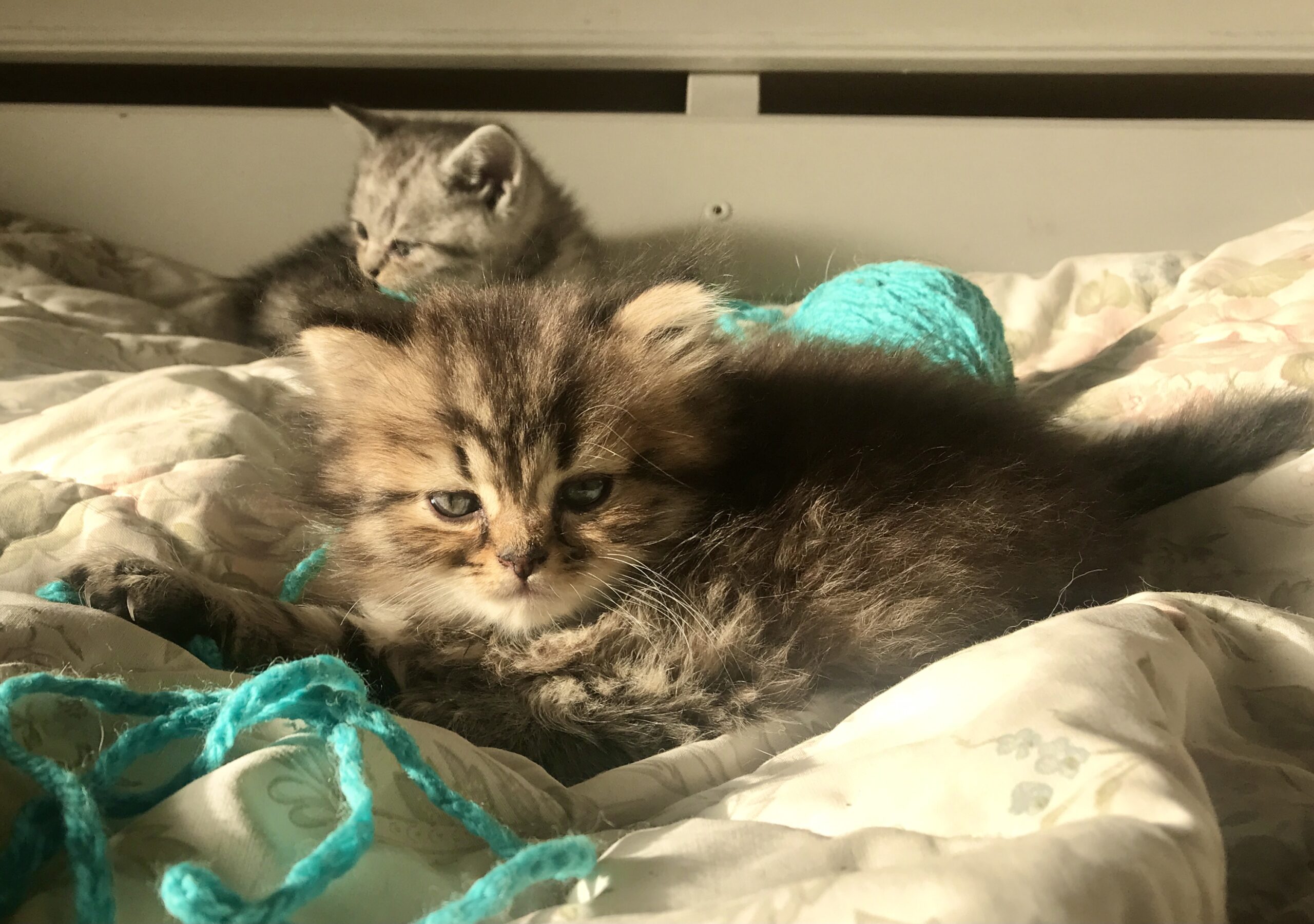
Mother cats purr to communicate with their kittens. Kittens can feel the vibration before they can hear well.
Meaning:
- Reassurance
- Bonding
- Safety
Adult cats may use similar purrs with trusted humans.
Why Cats Purr Around Certain People More Than Others
Cats don’t purr equally for everyone. They are selective.
Cats are more likely to purr around people who:
- Respect boundaries
- Speak calmly
- Move predictably
- Provide comfort
Purring often reflects trust rather than habit.
Purring vs Body Language: Why Context Matters
Purring alone doesn’t tell the full story. Always observe:
- Ear position
- Tail movement
- Body tension
- Eye expression
A relaxed cat purring is very different from a tense cat purring.
Can Cats Purr to Manipulate Humans?
In a way—yes.
Some cats develop a special “solicitation purr” that blends purring with a high-pitched sound similar to a baby’s cry. Humans are instinctively drawn to respond.
This purr is often used to:
- Request food
- Gain attention
- Wake you up
Clever? Absolutely.
Do All Cats Purr?
Most domestic cats purr, but not all do so loudly or often.
Factors include:
- Personality
- Breed
- Past experiences
A quiet cat can still be a happy cat.
When Purring Might Be a Warning Sign
While purring is usually positive, pay attention if it occurs alongside:
- Sudden behavior changes
- Lethargy
- Hiding
- Loss of appetite
In these cases, purring may be a coping response rather than a sign of happiness.
How Humans Benefit From Cat Purring
Interestingly, cat purring may benefit humans too.
Studies suggest purring can:
- Reduce stress
- Lower blood pressure
- Create calming effects
No wonder cats are such comforting companions.
How to Respond When Your Cat Purrs
The best response depends on the situation.
Helpful approaches:
- Observe body language
- Respond calmly
- Respect boundaries
- Offer comfort if needed
Understanding matters more than reaction.
The Emotional Side of Purring
Purring isn’t just physical—it’s emotional communication.
Cats use purring to:
- Bond
- Self-soothe
- Express trust
- Communicate vulnerability
It’s one of the most intimate sounds a cat can share.
Final Thoughts
Cats purr for many reasons, and not all of them are about happiness. From healing and comfort to communication and bonding, purring is a powerful and complex behavior.
Understanding what different purrs really mean helps you:
- Respond more appropriately
- Strengthen trust
- Deepen your bond
The next time your cat purrs, listen closely—not just with your ears, but with awareness.
Because behind every purr is a message—and now, you know how to hear it.