Many cat owners believe that litter box problems mean their cat is being stubborn or difficult. In reality, most litter box issues are caused by simple setup mistakes. Cats are extremely sensitive to cleanliness, location, and routine, and even small errors can make a litter box uncomfortable or stressful to use.
If your cat avoids the litter box, has accidents, or seems uncomfortable, chances are the problem isn’t your cat—it’s the setup. Let’s break down the biggest litter box mistakes and how to fix them.
🎥 Watch: Biggest Litter Box Mistakes Cat Owners Make
Why Litter Box Setup Matters More Than You Think
Cats are clean animals by nature. In the wild, they choose safe, quiet areas to eliminate and instinctively avoid places that feel exposed or dirty. A poorly set-up litter box can make a cat feel stressed, unsafe, or uncomfortable.
When litter box needs are not met, cats may:
- Avoid the box completely
- Use other areas of the house
- Show signs of stress or anxiety
Most of these problems are preventable.
Mistake #1: Putting the Litter Box in a Loud or Busy Area
One of the most common mistakes is placing the litter box in high-traffic or noisy areas.
Problem locations include:
- Near washing machines
- Close to loud appliances
- In busy hallways
Cats prefer privacy. A quiet, low-traffic area makes them feel safe.
Mistake #2: Not Having Enough Litter Boxes
Many owners underestimate how many litter boxes they need.
A general guideline:
- One litter box per cat
- Plus one extra box
Too few boxes can cause competition, stress, and avoidance—especially in multi-cat homes.
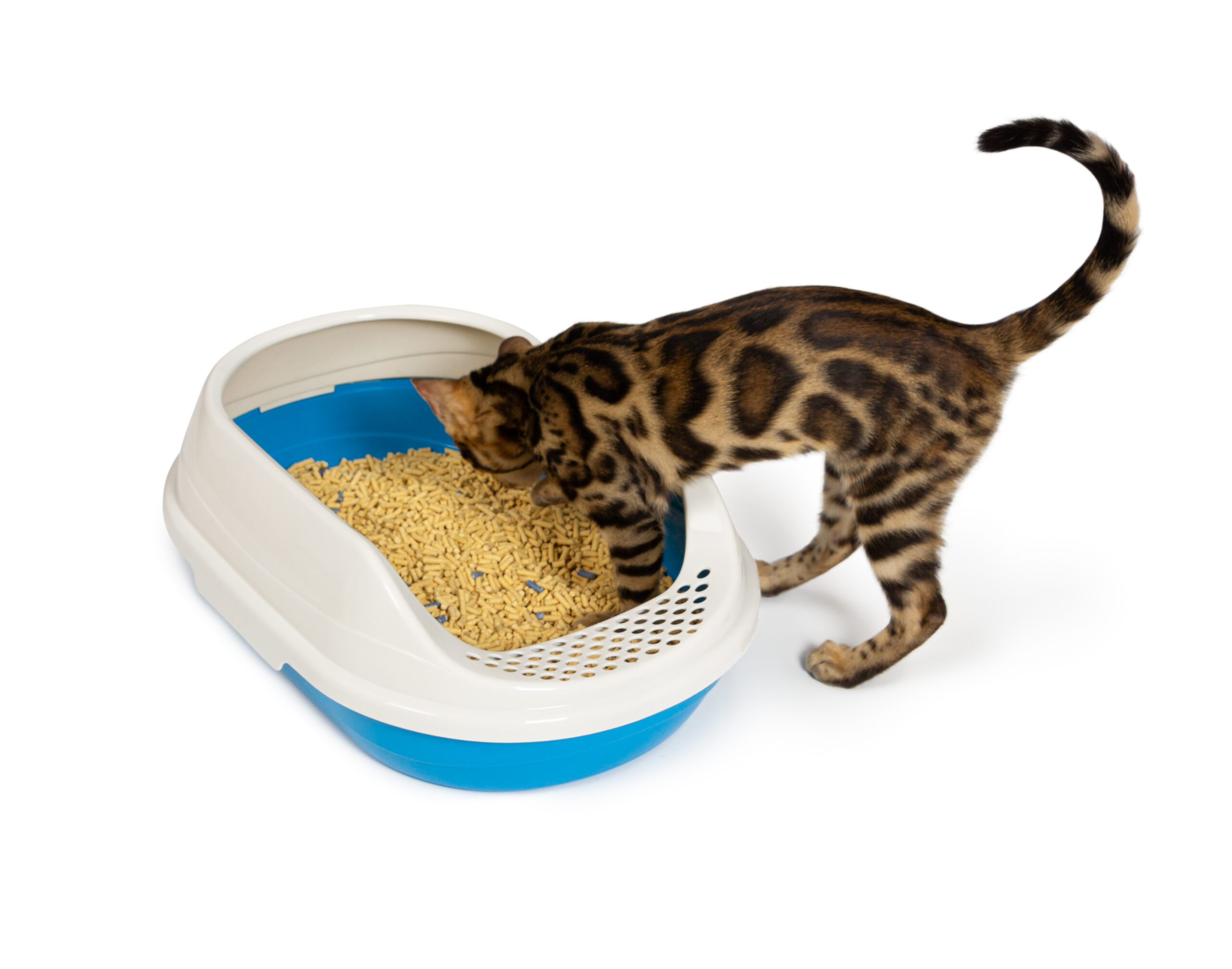
Mistake #3: Using a Litter Box That’s Too Small
Cats need enough space to turn around comfortably.
Signs a box is too small:
- Cat hangs over the edge
- Scratches outside the box
- Hesitates before entering
Larger boxes are almost always better.
Mistake #4: Choosing the Wrong Type of Litter
Cats can be picky about litter texture and smell.
Common issues include:
- Strongly scented litter
- Rough or uncomfortable textures
- Sudden litter changes
Most cats prefer unscented, fine-grain litter that feels natural under their paws.
Mistake #5: Cleaning the Box Too Infrequently
Even a well-placed litter box becomes unusable if it’s dirty.
Poor cleaning habits can lead to:
- Avoidance
- Stress
- Accidents elsewhere
Scooping daily and full cleaning weekly helps maintain comfort.
Mistake #6: Placing Food and Water Near the Litter Box
Cats instinctively avoid eliminating near their food.
If litter boxes are too close to:
- Food bowls
- Water stations
Cats may feel uncomfortable using them. Always separate eating and bathroom areas.
Mistake #7: Using Covered Litter Boxes Without Considering the Cat
While covered boxes reduce odor for humans, many cats dislike them.
Potential problems:
- Trapped smells
- Feeling confined
- Reduced ventilation
Some cats prefer open boxes where they can see their surroundings.
Mistake #8: Moving the Litter Box Too Often
Cats rely on consistency. Frequent relocation of the litter box can confuse them.
Moving the box may cause:
- Hesitation
- Accidents
- Stress
If you must move it, do so gradually.
Mistake #9: Ignoring Your Cat’s Preferences
Every cat has individual preferences.
Some cats prefer:
- Specific litter types
- Open vs covered boxes
- Certain locations
Observing your cat’s behavior helps you adjust the setup.
Mistake #10: Using Too Much or Too Little Litter
The depth of litter matters.
General guideline:
- About 2–3 inches of litter
Too little feels uncomfortable, too much makes digging difficult.
Mistake #11: Expecting Cats to “Get Used to It”
Cats don’t adapt to discomfort the way humans do.
If a litter box feels wrong, cats will avoid it rather than tolerate it.
Behavior is feedback—not stubbornness.
Signs Your Litter Box Setup Is Wrong
Watch for:
- Avoiding the box
- Accidents outside the box
- Hesitation or stress
- Scratching around but not entering
These are signals that something needs adjustment.
How to Fix Litter Box Problems the Right Way
Start with small changes:
- Improve location
- Increase cleanliness
- Offer multiple boxes
- Test different litter types
Simple improvements often solve major issues.
Why Litter Box Comfort Affects Overall Behavior
A stressed cat may:
- Hide more
- Become irritable
- Show anxiety
Fixing litter box issues often improves overall behavior dramatically.
Final Thoughts
Most litter box problems aren’t caused by bad behavior—they’re caused by bad setups. Cats depend on us to provide environments that feel safe, clean, and predictable.
By avoiding these common litter box mistakes and making thoughtful adjustments, you can dramatically improve your cat’s comfort, reduce stress, and eliminate accidents.
A cat that feels comfortable using the litter box is a calmer, happier, and more confident cat.